ADAD
ADAD
Updating your news feed...
NEWS EXPRESS is Nigeria’s leading online newspaper. Published by Africa’s international award-winning journalist, Mr. Isaac Umunna, NEWS EXPRESS is Nigeria’s first truly professional online daily newspaper. It is published from Lagos, Nigeria’s economic and media hub, and has a provision for occasional special print editions. Thanks to our vast network of sources and dedicated team of professional journalists and contributors spread across Nigeria and overseas, NEWS EXPRESS has become synonymous with newsbreaks and exclusive stories from around the world.















Loading banners
Loading banners...

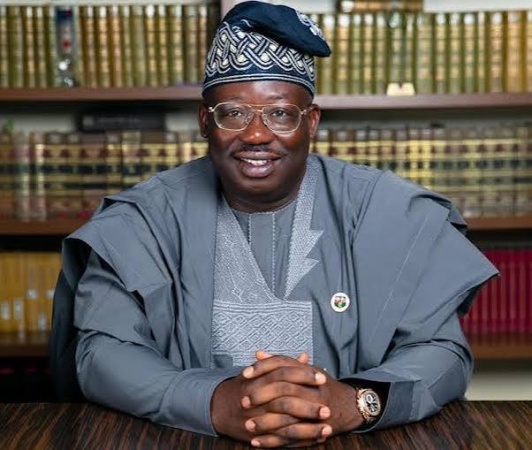
Zacch Adedeji
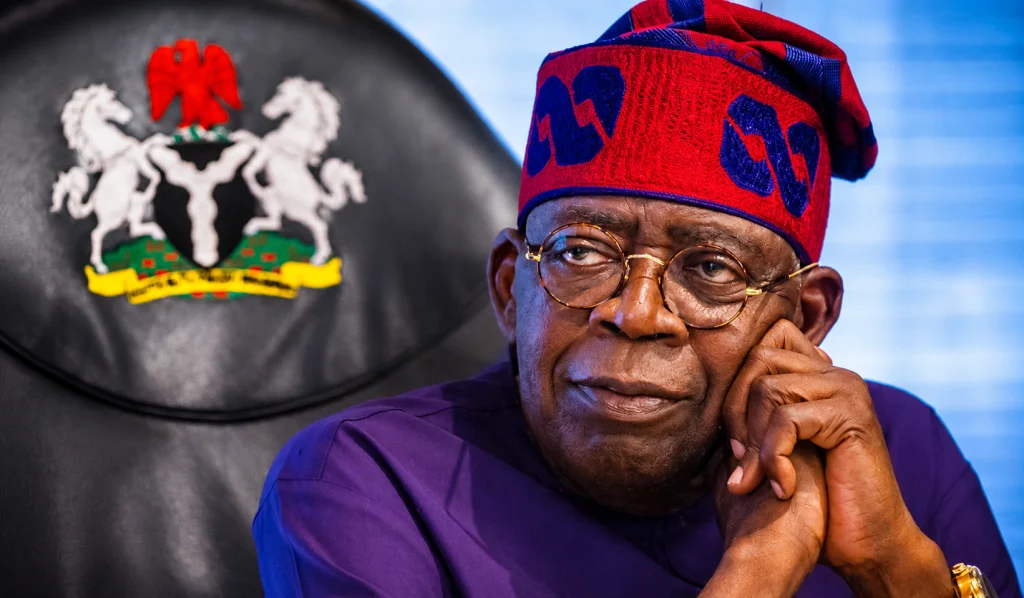
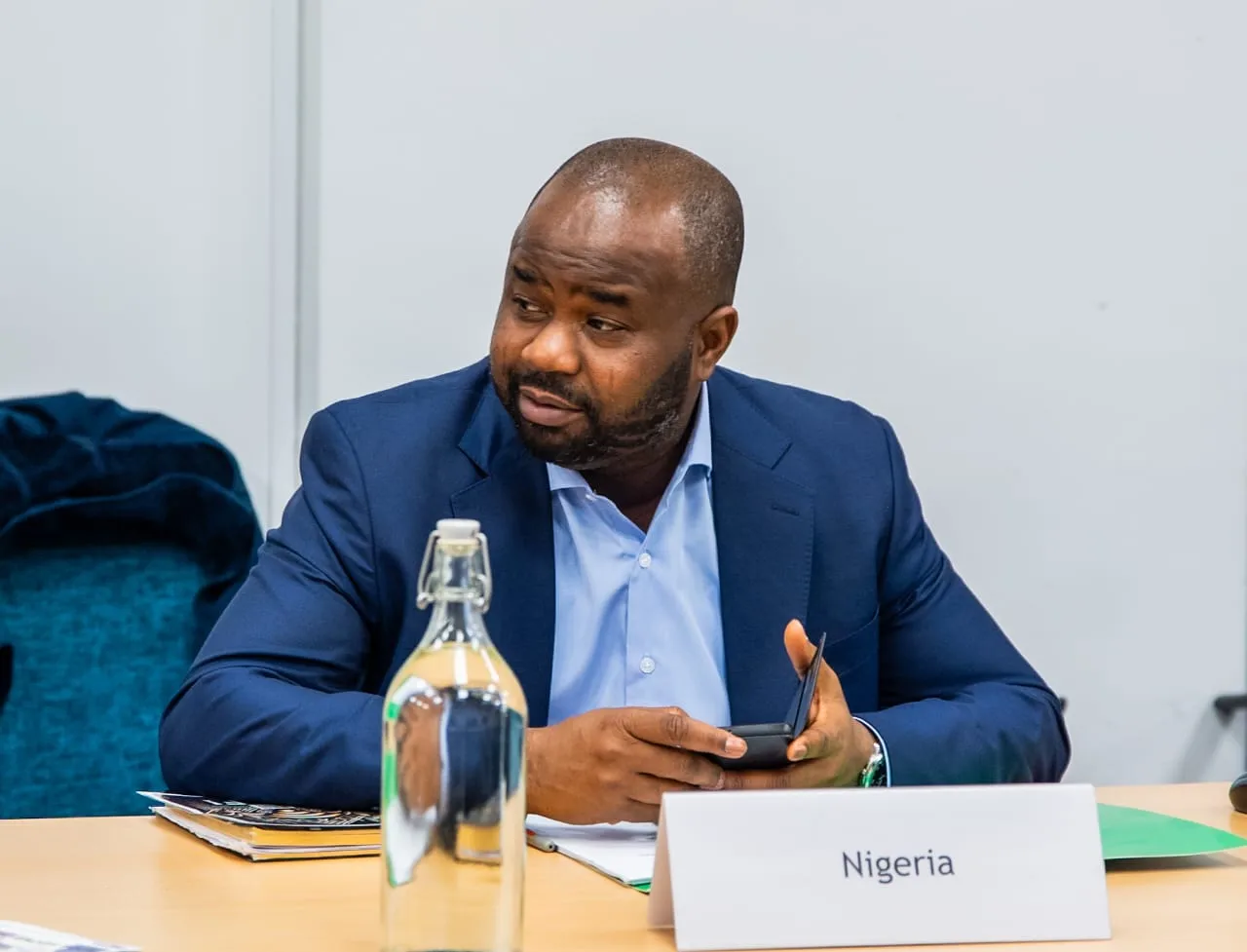
The Chairman of the Nigerian Revenue Service (NRS), Dr Zacch Adedeji, has come under criticism over his recent comment on the state of the Nigerian economy and the performance of President Bola Ahmed Tinubu’s administration.
Adedeji had praised the economic direction of the Tinubu administration, urging the President not to be distracted by negative comments from critics who, according to him, have no alternative to the government’s economic policies.
The NRS chairman made the remarks during a briefing at the State House, where he highlighted the significant increase in government revenue as evidence of the administration’s economic progress.
He told President Tinubu that the government had transformed the country’s revenue system to a level that many of its critics could not comprehend.
He, however, said they would continue to educate the critics on the revenue system.
The comments, however, have attracted criticism from Nigerians and economic experts, who said Adedeji failed to acknowledge the hardship being experienced by Nigerians despite the increase in the government’s revenue.
Under the Tinubu administration, the government has pursued a series of fiscal and tax reforms aimed at improving revenue mobilisation, expanding the tax base and strengthening the efficiency of revenue collection.
In 2023, Tinubu’s administration removed subsidy from premium motor spirit (PMS) otherwise known as petrol and liberalised the foreign exchange market.
While this twin-policy substantially increased resources available to the government, it also triggered a cost of living crisis never seen in years.
The NRS has been at the centre of the revenue mobilisation drive, with the government seeking to increase non-oil revenue and reduce the country’s dependence on oil earnings.
Analysts said Adedeji’s comments focused primarily on the revenue side of the government’s economic reforms.
However, critics argue that revenue growth alone does not adequately measure the success of an economic policy if citizens continue to face high prices of food, transportation, electricity and other essential goods and services.
A development professional and former Director-General of the Bureau of Public Service Reforms, Dr Joe Abah, described the statement attributed to Adedeji as unnecessary and insensitive to the economic realities confronting citizens.
Abah, while reacting to the comments in a post on X, said the increase in revenue should translate into measures that would directly reduce the cost of living and ease the burden on Nigerians.
“If true, this is a deeply insensitive statement,” Abah said.
He, however, responded to Adedeji’s question about what critics of the administration would have done differently, saying there were examples from other countries of how increased government resources could be deployed to address rising living costs.
According to him, the United Kingdom provides an example of policies aimed at cushioning the impact of the cost-of-living crisis on citizens.
“But to answer the question of what I would have done differently, I can just look at the UK’s Andy Burnham, who is trying to tackle the cost of living,” Abah said.
He cited measures which he said had been introduced under Burnham, including the removal of five per cent VAT on domestic electricity, a policy he contrasted with the 7.5 per cent rate in Nigeria.
He also pointed to the capping of bus fares at £2 per ride through reimbursement of private-sector operators for the difference between the capped fare and the real cost of providing the service.
Abah further cited a proposed 20 per cent reduction in business rates for pubs and clubs, as well as adjustments to Universal Credit designed to favour poorer and more vulnerable citizens.
“So, I would have used the increasing tax revenue to tackle the cost of living. That is what I would have done differently at my own level. Hope that helps,” he said.
Another analyst, Paul Obasi, said, “First thing I will do differently is restore part of the subsidy, reduce taxation mostly on grocery items, reduce importation duty on food items and drugs. Increase production of rare earth minerals, pass shoot on site policy to anyone illegally mining minerals.” (Daily Trust)