Updating your news feed...
NEWS EXPRESS is Nigeria’s leading online newspaper. Published by Africa’s international award-winning journalist, Mr. Isaac Umunna, NEWS EXPRESS is Nigeria’s first truly professional online daily newspaper. It is published from Lagos, Nigeria’s economic and media hub, and has a provision for occasional special print editions. Thanks to our vast network of sources and dedicated team of professional journalists and contributors spread across Nigeria and overseas, NEWS EXPRESS has become synonymous with newsbreaks and exclusive stories from around the world.














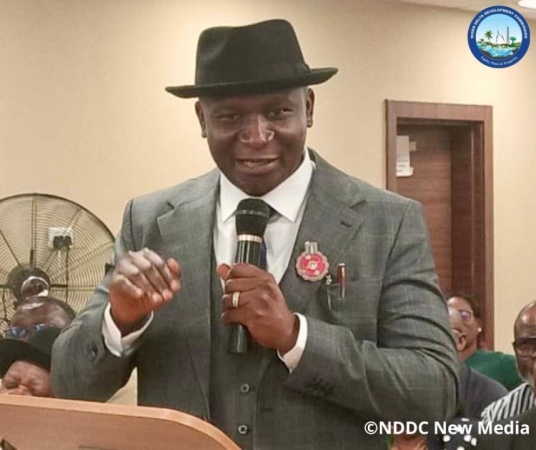

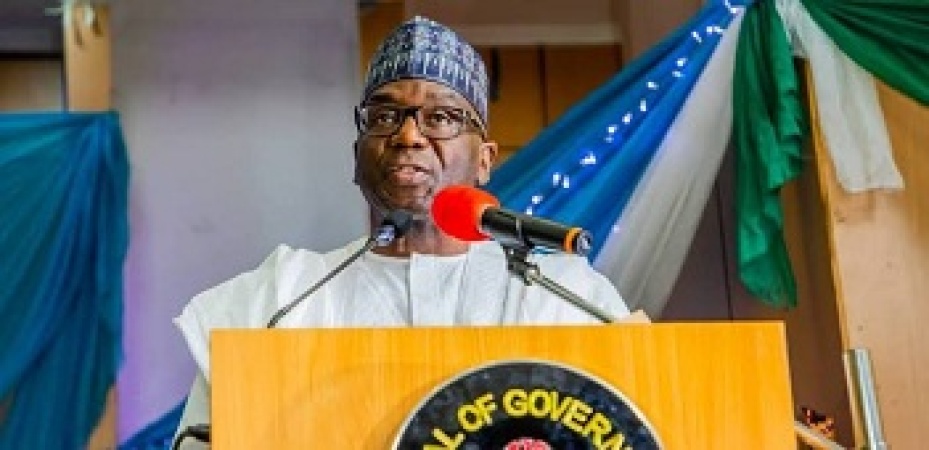



DAPPMAN Executive Secretary, Olufemi Adewole
The Nigerian Midstream and Downstream Petroleum Regulatory Authority (NMDPRA) has come under scrutiny following allegations by petroleum marketers that the agency has been issuing fuel import licences to a select group of companies, a development that has sparked concerns over transparency, competition and the future of Nigeria’s deregulated downstream petroleum sector.
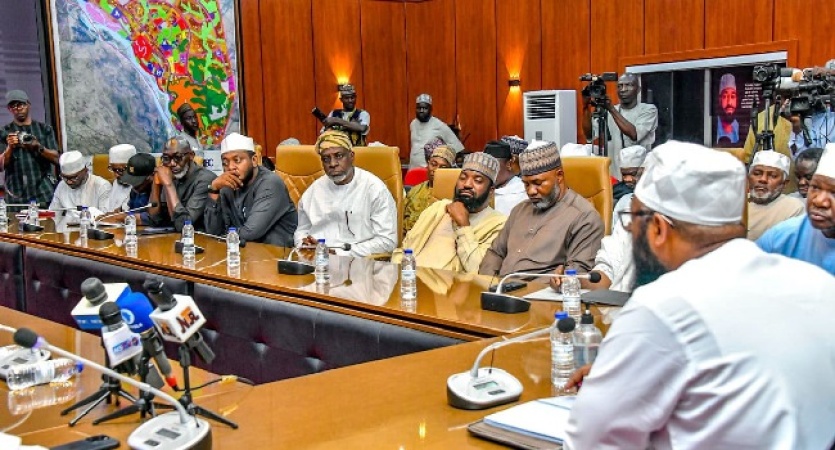
The controversy came to the fore during an interactive session organized by the House of Representatives Committee on Petroleum Resources (Downstream), where key industry stakeholders, including the Depot and Petroleum Products Marketers Association of Nigeria (DAPPMAN), the Independent Petroleum Marketers Association of Nigeria (IPMAN) and the Major Energies Marketers Association of Nigeria (MEMAN), presented memoranda on the challenges facing the sector.
Daily Trust reports that at the centre of the debate is DAPPMAN’s allegation that import licences issued by the NMDPRA for the first, second and third quarters of 2026 were repeatedly allocated to the same marketers, sidelining other qualified operators capable of importing petroleum products.
The association argued that such a pattern, if allowed to continue, could undermine competition, discourage investment and create an uneven playing field in an industry that was expected to thrive under the deregulation framework introduced through the Petroleum Industry Act (PIA).
Presenting the association’s memorandum, DAPPMAN Executive Secretary, Olufemi Adewole, accused the regulatory authority of failing to ensure fairness in the allocation process.
According to him, the repeated issuance of import licences to the same companies suggests that many qualified marketers have been excluded from participating in fuel importation despite possessing the capacity to do so.
“The same set of marketers received import allocations in the first, second and third quarters of 2026, as though other qualified operators do not exist. This is unacceptable, and we urge this committee to ensure greater transparency and fairness in future allocations,” Adewole said.
He maintained that the licensing process should reflect the principles of fairness and equal opportunity, particularly at a time when the government is promoting a fully deregulated downstream petroleum market.
DAPPMAN further argued that the current pattern of licence allocation has adversely affected depot owners across the country.
According to the association, data obtained from the NMDPRA indicated that no fewer than 72 out of Nigeria’s 154 licensed petroleum depots recorded little or no trading activity over the past year, leaving many operators struggling with declining revenues and mounting operational losses.
The association stressed that while domestic refining remains a national priority, fuel importation should remain available as a contingency mechanism capable of addressing supply shortages arising from refinery maintenance, logistics challenges or unexpected disruptions.
Beyond the issue of import licences, DAPPMAN also raised concerns over what it described as duplicated port charges and the continued billing of domestic petroleum transactions in United States dollars despite the Federal Government’s directive discouraging foreign currency-denominated charges for local operations.
Responding to the marketers’ concerns, Chairman of the House Committee on Petroleum Resources (Downstream), Hon. Ikenga Ugochinyere, assured stakeholders that the committee would investigate the allegations thoroughly.
He disclosed that the committee would invite officials of the NMDPRA to explain the criteria adopted in issuing fuel import licences and determine whether the process complied with the objectives of the Petroleum Industry Act.
“We have taken note of your concerns regarding the lopsided issuance of import licences. These questions will be raised when the NMDPRA appears before the committee to explain the basis upon which the allocations were made,” Ugochinyere said.
Energy analyst Rasheed Adeleke said the objective of deregulation and subsidy removal was to create an open and competitive market where qualified participants could compete on equal terms.
According to him, concentrating import opportunities among a few operators contradicts the spirit of market liberalization and could discourage future investments.
“The essence of deregulation of the downstream sector and the removal of fuel subsidy by the Federal Government is obviously lost if imports are concentrated on a few marketers and importers,” he said.
Adeleke cautioned that Nigeria has made considerable progress in stabilizing the downstream petroleum sector since the removal of fuel subsidies and that policies capable of distorting competition should be avoided.
He added that maintaining a transparent regulatory framework would be critical to sustaining the confidence of both domestic and foreign investors.
Also reacting to the controversy, the Chief Executive Officer of the Centre for the Promotion of Private Enterprise (CPPE), Dr. Muda Yusuf, urged the NMDPRA to ensure greater openness in the allocation of fuel import licences.
According to Yusuf, regulators have a responsibility to protect the interests of all stakeholders while creating an environment that encourages efficiency and healthy competition.
He argued that transparent licensing procedures would strengthen confidence in the sector and reassure investors that regulatory decisions are based on objective criteria rather than preferential treatment.
Yusuf further advised the authority to adopt an inclusive framework that accommodates all qualified marketers capable of meeting regulatory requirements.
Although the official spokesperson of the NMDPRA, George Ene-Ita, could not be reached for comments, a senior official of the authority who requested anonymity defended the current licensing process.
According to the official, companies granted import licences satisfied all regulatory conditions established by the authority before approvals were issued.
The official explained that import licences are not allocated arbitrarily but are based on specific performance indicators and operational requirements designed to protect Nigeria’s fuel supply chain.
“We have some metrics these companies need to meet before they are given licences. The activities of Dangote Refinery show that the number of licences required is limited. The Authority has confidence in the marketers that continue to receive approvals because they have consistently met the required standards,” the official said. (Daily Trust)