

ADVERTISEMENT

ADVERTISEMENT
Updating your news feed...

NEWS EXPRESS is Nigeria’s leading online newspaper. Published by Africa’s international award-winning journalist, Mr. Isaac Umunna, NEWS EXPRESS is Nigeria’s first truly professional online daily newspaper. It is published from Lagos, Nigeria’s economic and media hub, and has a provision for occasional special print editions. Thanks to our vast network of sources and dedicated team of professional journalists and contributors spread across Nigeria and overseas, NEWS EXPRESS has become synonymous with newsbreaks and exclusive stories from around the world.
By ALABI Qozim Diekola
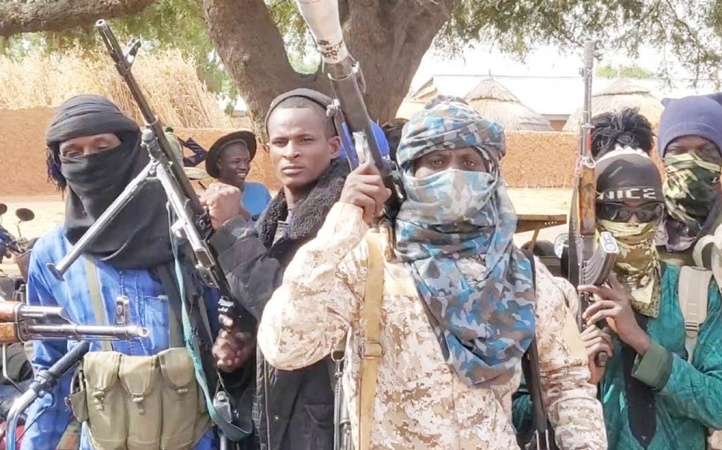
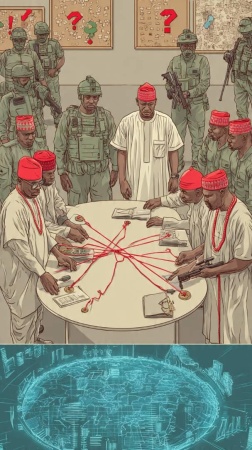
Every nation in the world faces security challenges. Nigeria is no exception. From banditry in the North-West, kidnapping on our highways, to insurgency in the North-East, kidnapping in the South-West, the threats are real and have cost innocent lives and disrupted livelihoods. In the midst of these challenges, one pattern has become constant: Nigerians’ tendency to lean heavily on conspiracy theories instead of engaging facts, supporting institutions, and demanding accountability the right way.
Government Efforts to Secure Lives and Property
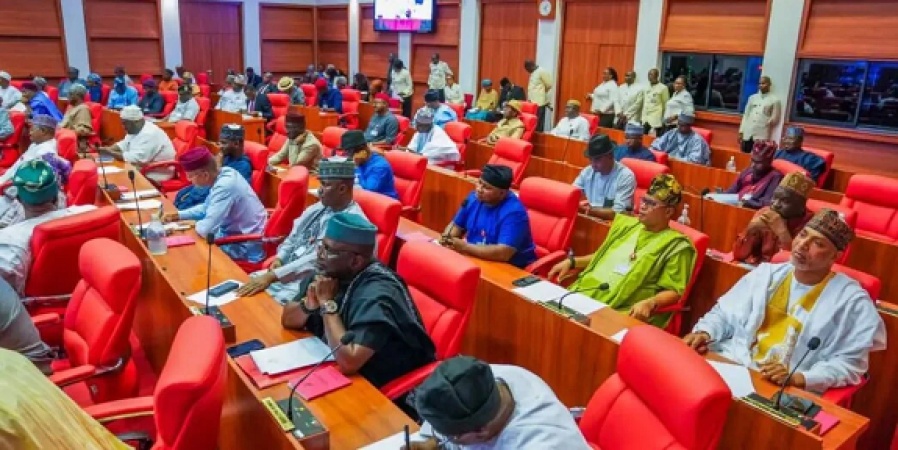
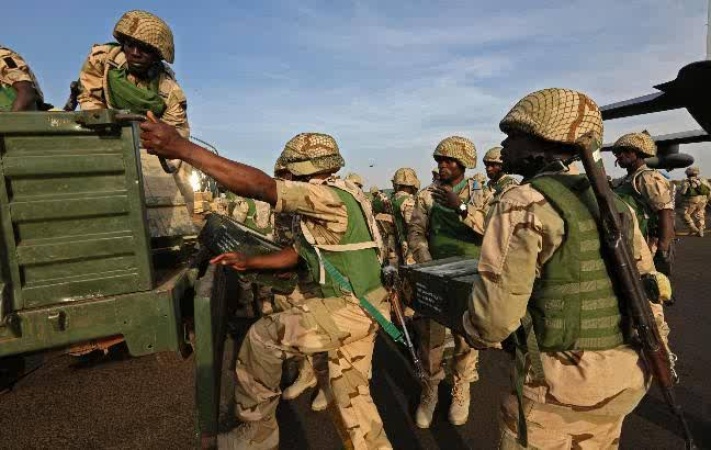
The Federal Government, under the leadership of President Ahmed Bola Tinubu (GCFR), in collaboration with the State Governments, down to the third tiers of government has made several efforts to protect the lives and properties of the citizens. These efforts include increased funding for the Armed Forces and security agencies, acquisition of modern surveillance equipment and aircraft, deployment of troops to flashpoints, creation of specialized units like the NSCDC Agro Rangers and Police Special Forces, investment in community policing, and the introduction of Regional Development Policy, among many others.
At the state level, governors have established internal security mechanisms, Amotekun, Vigilante Groups, and local intelligence networks to complement federal efforts. International cooperation with ECOWAS, Lake Chad Basin Commission, and foreign partners has also improved intelligence sharing and logistics support.
Truly, these efforts have yielded results: recapture of territories, surrender of fighters, rescue of kidnapped victims, and reduction of attacks in some corridors. Progress is slow, but it exists.
Where the System is Undermined
Despite all these efforts, progress is slowed by internal and external sabotage that must be named honestly:
1. Disgruntled Political Actors: Some politicians weaponize insecurity for political gain. Every attack becomes a campaign tool, while genuine solutions are delayed for partisan advantage.
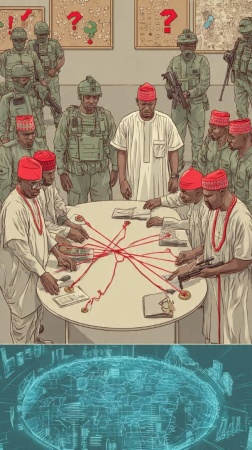
2. Sabotage within Institutions: Leaks of classified security information, compromise of operations, and internal collusion weaken military and intelligence operations. When plans reach the wrong hands, citizens pay the price.
3. Foreign and Local Saboteurs: Some foreign investors and local beneficiaries profit from chaos. Insecurity creates contracts for security services, fuels smuggling, and distorts markets. For them, peace is a bad business.
4. Misplaced Diversion: Public discourse is often diverted from core issues like poverty, unemployment, porous borders, and weak community intelligence, to ethnic blame, religious narratives, and conspiracy theories.
5. Mishandling of Security Intelligence: Delayed action on actionable intelligence, poor inter-agency coordination, and failure to track internal and external terror financiers have allowed criminal networks to regenerate.
6. Wrong Policy Advice: Repeated calls to pardon and rehabilitate unrepentant criminal elements including Boko Haram fighters, bandits, and kidnappers without justice, restitution, or strong monitoring have created cycles of recidivism. Forgiveness without accountability is a gruesome policy mistake.
The result is a trust deficit. Citizens begin to believe “government is complicit” rather than “government is struggling but must be helped to succeed.” That is the conspiracy theory approach, and it costs us more innocent lives.
Unique Lasting Solutions for All Tiers of Government
Insecurity cannot be defeated by bullets alone. It requires a whole-of-society strategy. Here are practical, lasting solutions I will suggest:
1. For the Federal Government
- Financial Intelligence War: Set up a dedicated Terror Financing Tracking Unit under EFCC + NFIU with real-time power to freeze assets of sponsors, arms dealers, and kidnapping financiers. Follow the money, not just the gunmen.
- Border Control Technology: Government should deploy drones, thermal cameras, and biometric screening at all porous borders. No movement of cattle, arms, or persons should be invisible.
- Justice, Not Just Pardon: Replace blanket “repentance programs” with a transparent justice + rehabilitation model. Confession, prosecution for serious crimes, then deradicalization for low-level recruits only.
2. For State Governments
- Community Intelligence Grid: Holistic funding and training of local vigilantes, hunters, and traditional rulers as the first line of intelligence. They know the terrain and the people. Pay them stipends and protect them legally.
- Economic Alternatives: Massive investment in rural infrastructure, youths empowerment, irrigation, and livestock ranches to end farmer-herder conflict. Idle youth are recruitment grounds for bandits.
- State-Level Security Trust Fund: Transparent funding to equip local security outfits with communication gadgets, vehicles, and data tools.
3. For Local Governments
- Local Government Security Committees: Each local government should have a documented security committee consisting of the Police, NSDC, PCRC, traditional ruler, the traditional security apparatus; vigilantes, Amotekun, etc, youth leader, and women leader. Monthly security town-hall meetings must be mandatory, just as it's being practiced in the Offa local government area, under the leadership of the Executive Chairman of the local government; Hon. Suleiman Olatunji with the directive of the Executive Governor of Kwara State; His Excellency, AbdulRahman AbdulRazaq (CON).
- Also, leveraging on the deployment and use of hybrid technology surveillance devices across 774 local government areas in the country. There won't be anywhere to hide for the criminals.
- Early Warning System: Use USSD codes and WhatsApp channels for citizens to report suspicious movements without fear. Response must be within minutes, not days.
4. For Citizens and Institutions
- End Conspiracy, Demand Data: Instead of “they are behind it,” demand published security reports, budget performance, and prosecution records. Hold the government accountable with facts.
- Protect Classified Information: Media, bloggers, and citizens must stop sharing troop movements and operational details online. You are not a journalist; you may be the leak that gets our soldiers killed.
- Patriotic Ownership: Security is everyone’s business. Report suspicious persons, support victims, and reject payment of ransom which only funds more kidnapping. Federal government should oppose all forms of foreign funding of security trust funds.
Conclusion
Nigeria’s security crisis is not a movie script written by hidden hands. It is a complex problem of governance gaps, economic hardship, weak institutions, and criminal political and economic enterprise. The government must do more and do better. But citizens must also drop the conspiracy theory approach and embrace civic responsibility.
We secure lives and property not by rumors, but by facts, unity, intelligence, and justice. If all tiers of government and the people play their roles, banditry, kidnapping, and insurgency will become history, not headlines. If creation of State Police will be another means of enhancing the security architecture, then, the state government should adopt it and stop procrastinating. This will obviously improve our security intelligence capabilities in mitigating the rampant insecurity in Nigeria.
May Nigeria win this fight.
•ALABI Qozim Diekola (MCPN) is an IT lecturer, a Technopreneur and a chartered member of the Computer Professional of Nigeria (CPN). He writes about Data privacy and protection, Cyber/information security, governance, and national development.
19 June, 2026.