

ADVERTISEMENT

ADVERTISEMENT
Updating your news feed...

NEWS EXPRESS is Nigeria’s leading online newspaper. Published by Africa’s international award-winning journalist, Mr. Isaac Umunna, NEWS EXPRESS is Nigeria’s first truly professional online daily newspaper. It is published from Lagos, Nigeria’s economic and media hub, and has a provision for occasional special print editions. Thanks to our vast network of sources and dedicated team of professional journalists and contributors spread across Nigeria and overseas, NEWS EXPRESS has become synonymous with newsbreaks and exclusive stories from around the world.
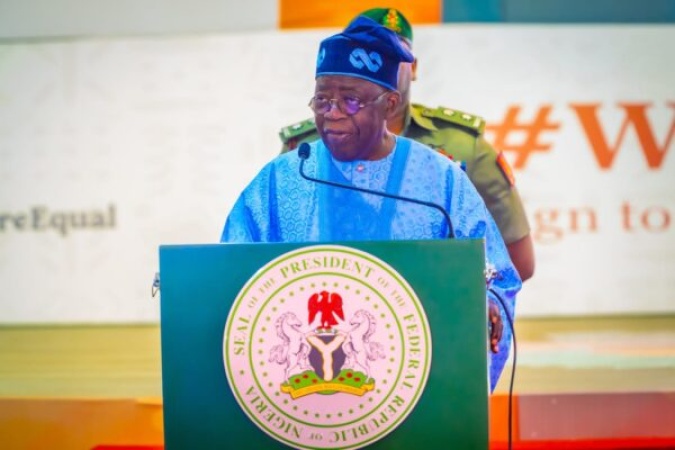
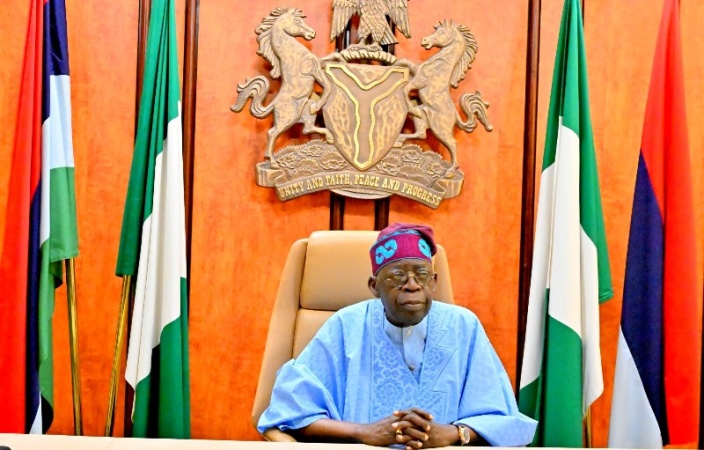
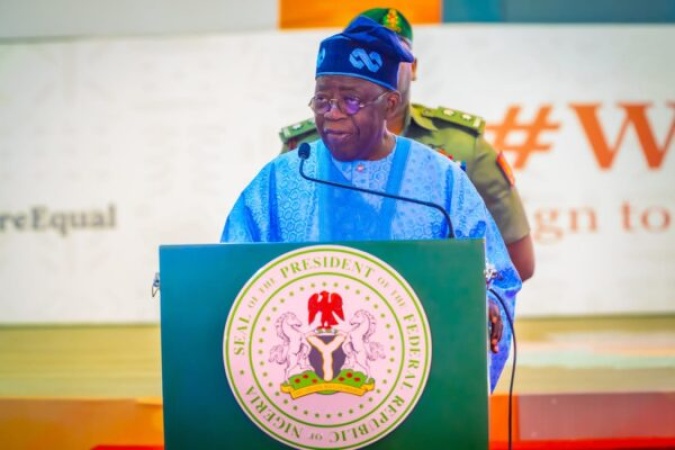
President Bola Tinubu
President Bola Ahmed Tinubu has reaffirmed his administration’s commitment to strengthening Nigeria’s democracy, tackling insecurity, and driving economic reforms, as the country marked 27 years of uninterrupted civilian rule.
In his Democracy Day address on June 12, 2026, the President highlighted key achievements in security and economic management while acknowledging ongoing challenges facing the nation.
Tinubu stressed the need for national unity, credible elections, and active citizen participation, urging Nigerians, especially the youth, to remain committed to building the country’s future.
He also paid tribute to the heroes of the June 12 struggle, noting that while they secured political freedom, the current generation must now focus on achieving economic prosperity and improving the quality of life for all citizens.
Here are 20 key takeaways from President Bola Ahmed Tinubu’s Democracy Day speech, capturing the full breadth of his message:
1. 27 Years of Uninterrupted Democracy
Nigeria has maintained 27 consecutive years of civilian rule, marking a historic democratic milestone.
2. Democracy Must Be Protected
Tinubu emphasized that democracy, though imperfect, must be defended, nurtured, and strengthened.
3. Call for Peaceful Elections
He urged INEC, security agencies, and political stakeholders to ensure credible elections, especially in Ekiti and Osun.
4. Institutions as Democratic Pillars
The National Assembly, judiciary, media, and civil society were described as essential to sustaining democracy.
5. Encouragement of Constructive Criticism
Citizens and institutions were encouraged to criticise government policies without losing faith in Nigeria.
6. Youth as Drivers of the Future
Young Nigerians were urged to stay, innovate, work, and vote, rather than abandon the country.
7. Tribute to Security Forces
He commended the military, police, and intelligence services for their ongoing sacrifices.
8. Acknowledgment of Insecurity Challenges
The President referenced recent abductions in Oyo and Borno, noting that security remains a concern.
9. Record Security Spending
The 2026 budget allocates ?5.41 trillion to defence and security, the highest ever.
10. Expansion of Security Personnel
Over 50,000 new police officers and thousands of military recruits are being added.
11. Measurable Gains Against Terrorism
Terror-related deaths down by 81% since 2015
Over 13,000 terrorists neutralised
Significant disruption of insurgent operations
12. Reintegration of Former Fighters
More than 124,000 insurgents and dependents have surrendered through rehabilitation programmes.
13. Strong Warning to Criminals
Bandits and terrorists were told to surrender or face decisive force, with limited amnesty window.
14. Call for National Unity
Tinubu stressed that crime has no ethnic identity, urging Nigerians to reject division.
15. Honour for June 12 Heroes
He paid tribute to key figures of the pro-democracy struggle, including
M.K.O. Abiola, Kudirat Abiola,
Gani Fawehinmi, as well as other prominent activists such as Bola Ige, Alfred Rewane, Abraham Adesanya, Anthony Enahoro,
Balarabe Musa, Beko Ransome-Kuti, and Frank Kokori, recognising their sacrifices in securing Nigeria’s democracy.
16. Democracy Must Deliver Economic Benefits
He stressed that democracy should be felt in people’s daily lives, not just in elections.
17. Justification of Economic Reforms
Reforms were described as necessary, not optional, to fix strained public finances and restore stability.
18. Improved Economic Indicators
Government reforms have:
Increased federation revenues
Improved fiscal transparency
Boosted investor confidence across sectors
19. Energy and Power Sector Reforms
Key steps include:
Signing the Electricity Act
Expanding off-grid and mini-grid power
Addressing metering deficits and sector debt
20. Vision for Economic Freedom and Prosperity
Tinubu concluded that while June 12 secured political freedom, this generation must achieve economic prosperity, focusing on jobs, growth, and improved living standards.
21. National Awards to Nigerians who suffered persecution
The president also announced national awards Nigerians, who suffered persecution, endured indignities, exile, incarceration, and, at times, solitary confinement, so that democracy came into existence. (The Nation)