ADAD
ADAD
Updating your news feed...
NEWS EXPRESS is Nigeria’s leading online newspaper. Published by Africa’s international award-winning journalist, Mr. Isaac Umunna, NEWS EXPRESS is Nigeria’s first truly professional online daily newspaper. It is published from Lagos, Nigeria’s economic and media hub, and has a provision for occasional special print editions. Thanks to our vast network of sources and dedicated team of professional journalists and contributors spread across Nigeria and overseas, NEWS EXPRESS has become synonymous with newsbreaks and exclusive stories from around the world.


























Loading banners
Loading banners...

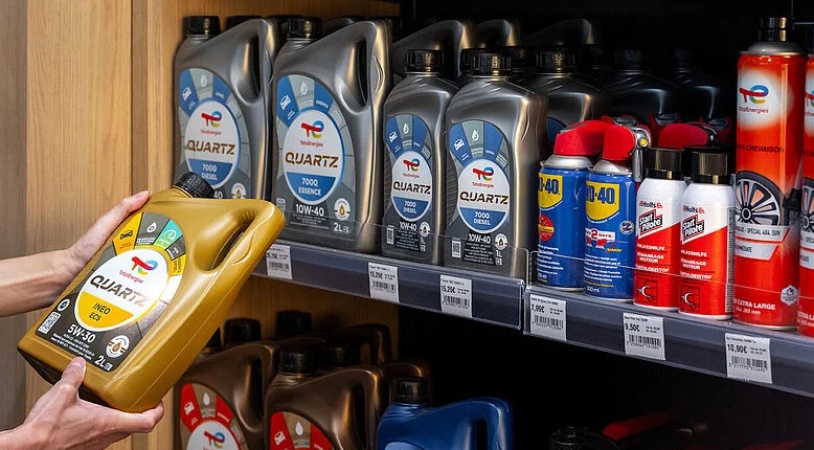
Engine oil containers at an auto workshop amid warnings over fake engine oil
A routine oil change should be one of the safest maintenance steps for any vehicle. In Nigeria, however, it has quietly become one of the easiest ways for unsuspecting drivers to get scammed.
Counterfeit engine oil remains a growing problem in the automotive market. Some fake lubricants are packaged in reused branded containers, while others are diluted, poorly blended, or completely substandard.
Unfortunately, many drivers only notice the problem after engine performance drops or serious damage occurs.
This is why knowing how to detect fake engine oil at mechanic shops is no longer optional; it is essential for protecting your vehicle.
The Standards Organisation of Nigeria regulates product standards in Nigeria, including automotive lubricants. Through its conformity and anti-counterfeit programs, the agency has warned against substandard lubricants entering the market.
Start with the packaging
The bottle itself is often the first clue. Fake engine oil products usually show warning signs even before they are opened.
Check the seal carefully. Genuine engine oil containers typically come with factory-fitted seals that are tightly secured and difficult to tamper with. A loose cap, broken seal, or uneven cover should immediately raise suspicion.
Also inspect the label closely. Misspellings, faded printing, poor-quality stickers, or altered logos are common indicators of counterfeit products.
Many fake products rely on customers not paying close attention to these details.
Insist on seeing the bottle opened
One common practice in some mechanic workshops is “bulk pouring.” A mechanic may claim to be using a premium oil brand while pouring from an already-opened bottle or an unmarked container. Once that happens, there is no way to verify what is actually going into your engine.
Always insist that the sealed bottle be opened in your presence. It may feel uncomfortable initially, but it helps protect both your engine and your money.
Quality engine oil usually appears clean and consistent.
If the oil looks unusually watery, excessively thick, cloudy, or contains visible particles, it could be fake or contaminated. Fresh engine oil should not appear dirty or separated.
Colour alone is not always a reliable indicator because different brands vary in appearance. Texture and consistency are far more important. A mechanic who discourages you from inspecting the product should also raise concern.
Check for authentication features
Many major lubricant brands now include anti-counterfeit features such as QR codes, scratch panels, or serial verification numbers.
Before paying, check whether the manufacturer offers product verification through its official website or mobile app. Spending a few extra seconds confirming authenticity can save you from expensive engine repairs later.
Buy your own oil when possible
One of the safest habits many Nigerian drivers now adopt is purchasing their own engine oil.
Buying directly from authorised dealers, reputable supermarkets, or official distributor outlets significantly reduces the risk of ending up with counterfeit products.
This way, the mechanic only handles the servicing while you remain in control of the product used in your vehicle.
Why fake engine oil is dangerous
Engine oil is not just another car product. It lubricates, cools, and protects critical engine components.