 ADAD
ADAD
Updating your news feed...
NEWS EXPRESS is Nigeria’s leading online newspaper. Published by Africa’s international award-winning journalist, Mr. Isaac Umunna, NEWS EXPRESS is Nigeria’s first truly professional online daily newspaper. It is published from Lagos, Nigeria’s economic and media hub, and has a provision for occasional special print editions. Thanks to our vast network of sources and dedicated team of professional journalists and contributors spread across Nigeria and overseas, NEWS EXPRESS has become synonymous with newsbreaks and exclusive stories from around the world.














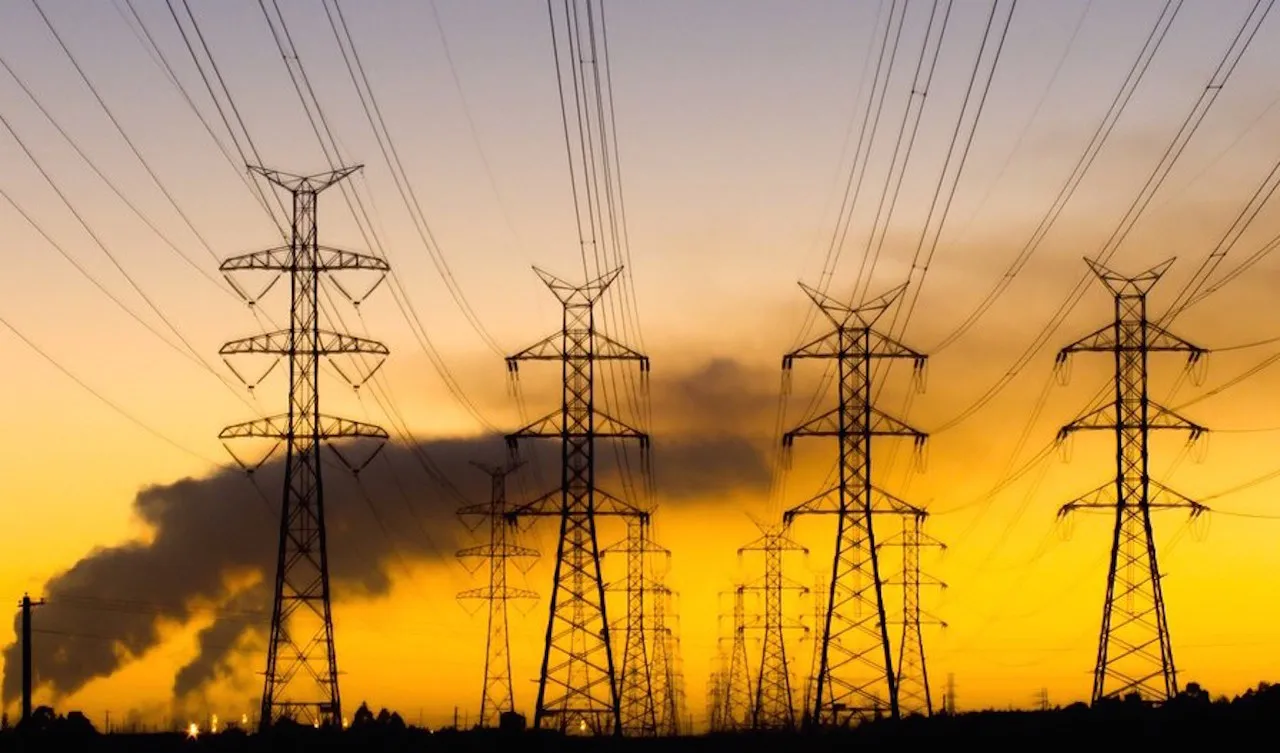
National outrage over worsening electricity supply is deepening, especially as multi-trillion-naira interventions funnelled into the power sector appear futile.
Experts say the consequences of that remain economically severe as mounting subsidies threaten fiscal stability.
According to a recent analysis by FBNQuest Merchant Bank, structural weaknesses and financial inefficiencies remain entrenched, with little progress toward sustainable reform.
The note, shared with Daily Sun, warns that government bailouts and subsidy payments, while offering short-term relief, cannot rescue a system in chronic imbalance.
At the core of the crisis lies Nigeria’s heavy dependence on gas for electricity generation. Natural gas accounted for roughly 75 per cent of total power generated in the third quarter of 2025, according to data from the Nigerian Electricity Regulatory Commission (NERC).
The dependence exposes the grid to repeated disruptions, from gas supply shortages to unpaid debts and pipeline vandalism, that perpetually weaken generation output, FBNQuest Merchant Bank said.
During Q3 2025, available generation capacity stood at 5,430 megawatts (MW), yet actual generation averaged only 4,179 MWh/h, meaning nearly a quarter of installed capacity remained unused.
The biggest culprits, according to the bank, are outdated infrastructure, erratic fuel supply, and contractual breakdowns along the production chain.
On the financial front, the numbers are equally grim. Distribution Companies (DisCos) remitted just N570 billion out of N707 billion in bills issued in the quarter, highlighting a liquidity gap that has become endemic.
With a nationwide metering rate of only 55.4 per cent, revenue collection remains hobbled by estimated billing and consumer resistance, creating a chain reaction of underpayment that reaches right up to gas suppliers.
While the FG continues to act as the sector’s financial backstop, the cost is becoming unsustainable. In Q3 2025 alone, subsidies reached N456 billion, lifting total payments over the first nine months of the year to N1.5 trillion.
With a verified N4 trillion debt now awaiting settlement through bond issuance, of which N501 billion was already floated in January 2026, the fiscal strain is weighing heavily on national finances.
Whilst arguing that the long-term fix must go beyond subsidies, the bank recommends a comprehensive reform plan centred on improving collection efficiency, enforcing cost-reflective tariffs, expanding metering coverage, and diversifying Nigeria’s energy mix to include solar, hydro, and wind sources.
“Investment in transmission infrastructure and governance transparency will also be pivotal if the sector is to regain investor confidence.
While the government’s bailout bonds provide breathing room, they only mask the underlying problems. Unless Nigeria breaks this cycle of under-generation and under-collection, the country risks locking itself into a permanent pattern of public spending without corresponding power supply”, the bank said.
It then concluded that without structural reform and collection discipline, subsidies will remain a temporary fix, not a solution. (The Sun)




