 ADAD
ADAD
Updating your news feed...
NEWS EXPRESS is Nigeria’s leading online newspaper. Published by Africa’s international award-winning journalist, Mr. Isaac Umunna, NEWS EXPRESS is Nigeria’s first truly professional online daily newspaper. It is published from Lagos, Nigeria’s economic and media hub, and has a provision for occasional special print editions. Thanks to our vast network of sources and dedicated team of professional journalists and contributors spread across Nigeria and overseas, NEWS EXPRESS has become synonymous with newsbreaks and exclusive stories from around the world.


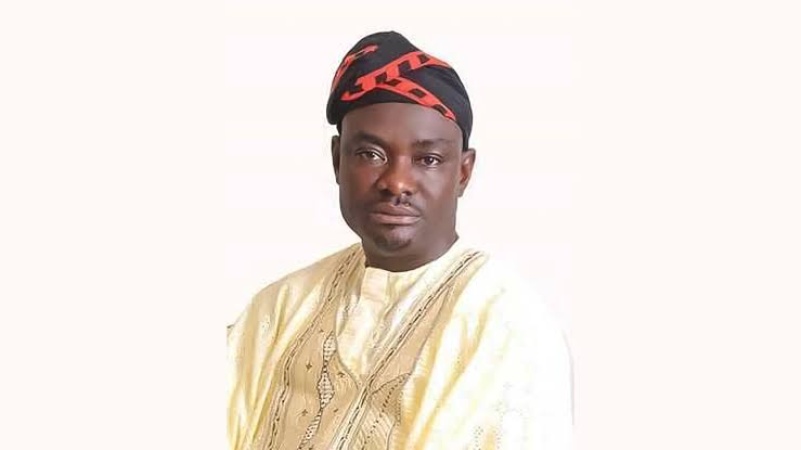


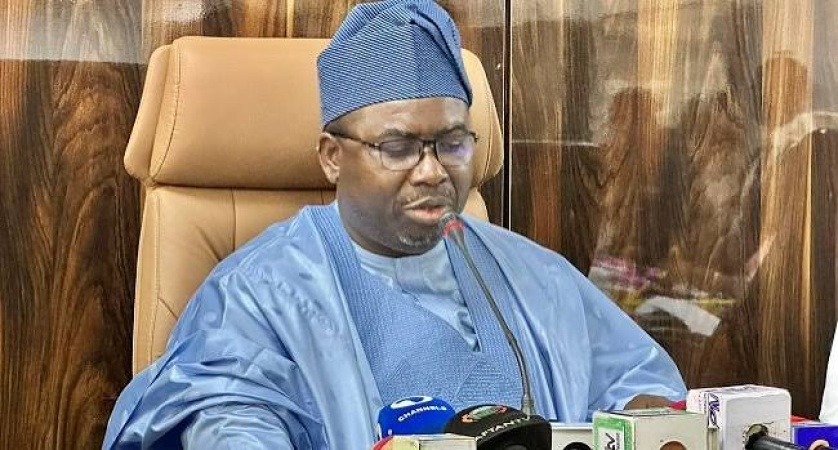




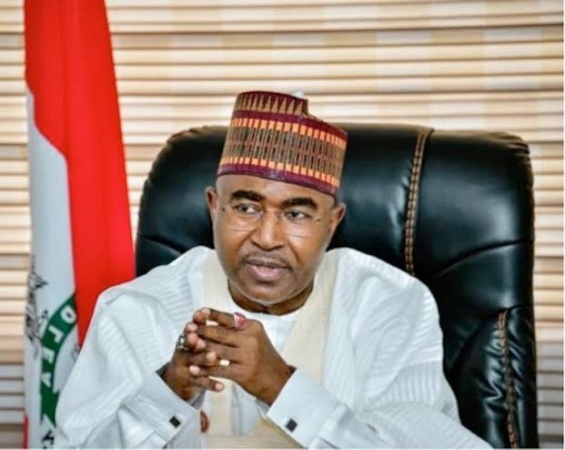
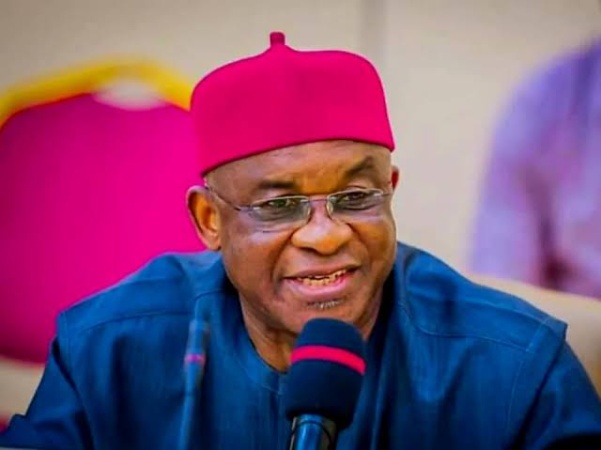
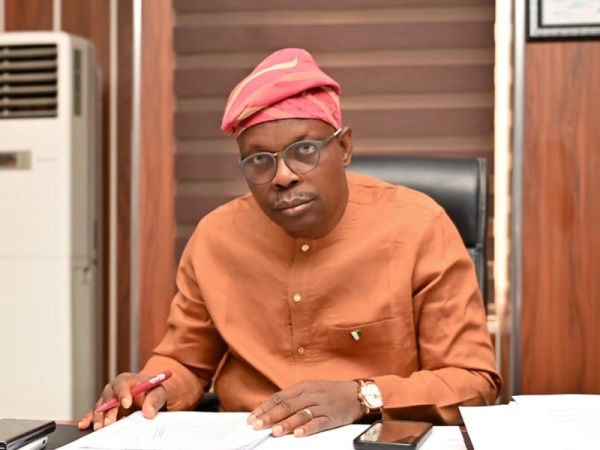
Nigerias Minister of State for Health and Social Welfare, Iziaq Adekunle Salako
Nigeria’s Minister of State for Health and Social Welfare, Iziaq Adekunle Salako, has called for a new global framework to manage the migration of health professionals, warning that the continued exodus of trained workers from developing countries is placing severe strain on already fragile health systems.
Speaking on Monday at the 2026 United Kingdom Global Health Summit at the Royal College of Physicians, Salako said Nigeria was pursuing a “system reset” in its health sector while seeking stronger international cooperation to address workforce shortages and funding challenges.
Delivering a keynote address on the summit theme, “Shaping Tomorrow’s Health, Together,” the minister said the global health system was facing unprecedented pressure from economic instability, geopolitical tensions, climate change and demographic shifts.
He said Nigeria had begun transitioning from fragmented health interventions to a unified strategy under the Nigeria Health Sector Renewal Investment Initiative, anchored on the principles of “One Plan, One Budget and One Conversation.”
Salako noted that global health systems were still grappling with the aftermath of the COVID-19 pandemic, which he said exposed vulnerabilities in even the most advanced healthcare systems while disproportionately affecting poorer nations.
Citing projections from the World Health Organisation, he warned that the world could face a shortage of about 10 million health workers by 2030, with the most severe deficits expected in sub-Saharan Africa and South-East Asia.
According to him, Africa carries more than a quarter of the global disease burden but has less than three per cent of the global health workforce and under one per cent of global health expenditure.
Salako said Nigeria’s physician-to-population ratio currently stands at about four doctors per 10,000 people, far below the WHO’s recommended minimum of 10.
He added that the migration of health professionals—popularly referred to in Nigeria as “japa”—has intensified the crisis.
Quoting data from NOI Polls and Nigeria Health Watch, the minister said about 57 per cent of Nigerian doctors surveyed in 2023 had taken concrete steps towards leaving the country. He also cited figures from the Government of the United Kingdom showing that more than 13,600 Nigerian health workers moved to the UK between 2021 and 2022.
While acknowledging that individuals have the right to seek opportunities abroad, Salako said the loss represents a significant transfer of public investment from poorer countries to richer nations.
Training a single physician in Nigeria can cost more than $200,000, he said, describing the situation as a matter of global equity that requires coordinated international action.
The minister said the administration of Bola Ahmed Tinubu had adopted a multi-pronged approach to strengthen the health workforce. Measures include expanding training capacity in collaboration with the National Universities Commission and the Medical and Dental Council of Nigeria.
He disclosed that Nigeria increased medical school admission capacity by about 160 per cent between 2023 and 2025, with similar expansions underway in nursing, pharmacy and laboratory science programmes.
Salako said the government was also strengthening training for paramedical professionals and implementing task-shifting strategies recommended by the WHO to optimise the roles of community health workers.
He emphasised the importance of engaging Nigerian health professionals abroad, describing the diaspora as a critical asset rather than a permanent loss.
According to him, the Federal Ministry of Health and Social Welfare and the Nigerians in Diaspora Commission are coordinating with diaspora associations to support Nigeria’s health system.
He announced that seven Nigerian healthcare diaspora groups from the United Kingdom, the United States, Canada, Germany, Australia and South Africa would conduct a nationwide medical mission in Nigeria between April and July, focusing on capacity transfer, skills development and institutional strengthening.
Salako also urged destination countries to implement ethical recruitment standards under the WHO Global Code of Practice on the International Recruitment of Health Personnel.
He proposed a managed migration agreement that would include compensation for source countries, joint training programmes, circular migration pathways and investment in health training infrastructure.
The minister further called for increased health financing and renewed commitment to the 15 per cent health budget target set under the Abuja Declaration.
He said Nigeria estimates the economic cost of health worker migration at more than $366 million in training investments.
Salako urged global partners to support innovative financing mechanisms, including health bonds, blended finance and public-private partnerships, while also integrating diaspora expertise into national and global health strategies.
“The next pandemic or climate-driven health emergency will not respect borders. Investing in Nigeria’s health system and Africa’s health systems is not altruism but enlightened self-interest.” (Nigerian Tribune)




