ADAD
ADAD
Updating your news feed...
NEWS EXPRESS is Nigeria’s leading online newspaper. Published by Africa’s international award-winning journalist, Mr. Isaac Umunna, NEWS EXPRESS is Nigeria’s first truly professional online daily newspaper. It is published from Lagos, Nigeria’s economic and media hub, and has a provision for occasional special print editions. Thanks to our vast network of sources and dedicated team of professional journalists and contributors spread across Nigeria and overseas, NEWS EXPRESS has become synonymous with newsbreaks and exclusive stories from around the world.










Loading banners
Loading banners...

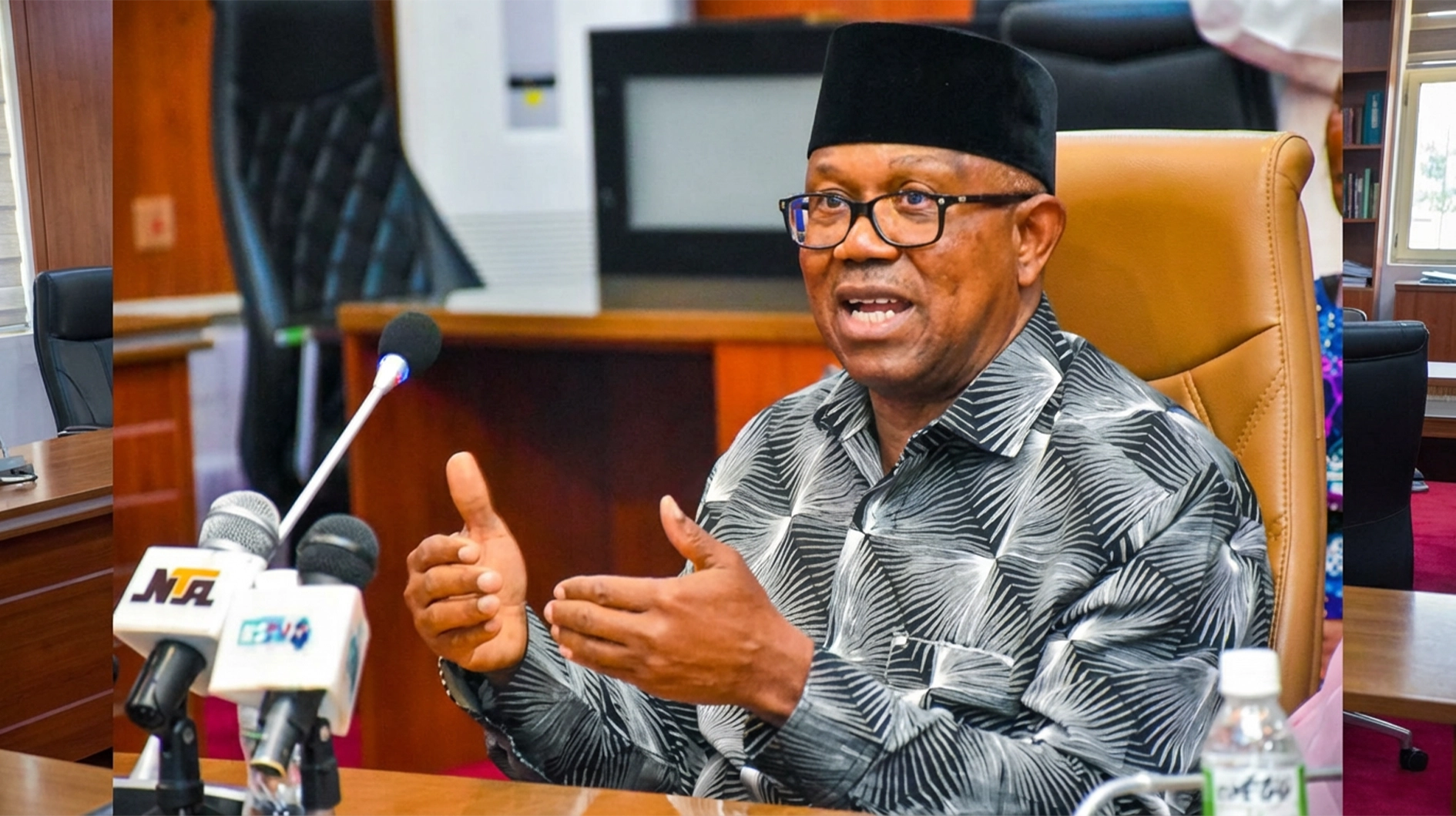
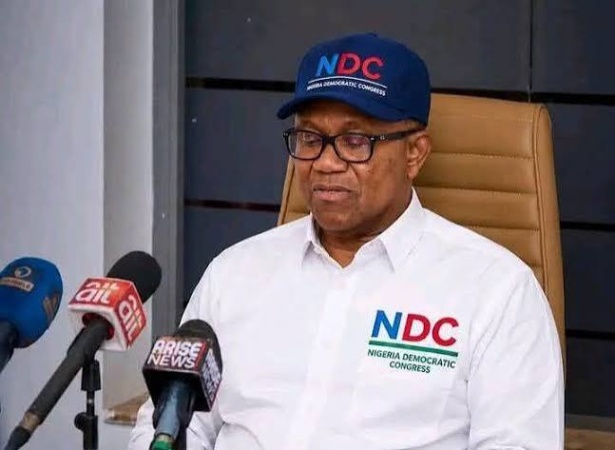
Former presidential candidate, Peter Obi
Former presidential candidate Peter Obi has criticised Nigeria’s growing debt profile, saying the country’s current borrowing trajectory reflects a debt without growth dilemma and stands in stark contrast to the economic progress achieved by Bangladesh. His comments drew on recent World Bank debt data and underscore deep concerns over how borrowed funds are being used.
In a post on X, Obi said Nigeria has become the third-largest debtor to the World Bank’s International Development Association (IDA), with outstanding obligations estimated at about $18.7 billion. Bangladesh, by comparison, leads the IDA debt ranking with roughly $23 billion.
“There’s nothing inherently wrong with borrowing. Nations borrow to improve productivity and stimulate growth,” Obi wrote. “Debt becomes a problem only when it finances consumption, inefficiency, or corruption rather than investment.”
Obi contrasted Nigeria’s economic performance with Bangladesh’s over the past decade to illustrate his point. He noted that whereas Bangladesh’s economy expanded substantially between 2015 and 2024–2025 with its gross domestic product rising from about $195 billion to between $460 billion and $500 billion, and its per-capita income climbing to roughly $2,700 Nigeria’s GDP has effectively contracted over the same period.
In 2015, Nigeria’s nominal GDP stood at about $490 billion, with per-capita income in the range of $2,600–$2,700. Today, he said, Nigeria’s GDP is estimated below $250 billion and per-capita income has fallen to about $850–$1,000 a development he attributed to weak productivity growth, structural inefficiencies, currency instability and pervasive corruption.
The World Bank’s own financial data show Nigeria’s debt to the IDA climbed by $1.9 billion in 2025, growing by about 11 per cent in one year, and positioning the country firmly as one of the institution’s largest borrowers. The broader increase in IDA exposure reflects Nigeria’s reliance on concessional external financing amid revenue pressure and fiscal tightening.
Economists say IDA loans, which come with low or zero interest and long repayment periods, can support long-term development objectives in areas such as infrastructure, human capital and poverty reduction. However, Nigeria’s rising debt share in relation to its economic output and ability to service obligations remains a point of contention.
Obi’s critique aligns with broader debates among policymakers about the sustainability of Nigeria’s debt and its implications for future growth. He has previously voiced concerns about the federal government’s borrowing plans, including a proposal to borrow nearly ₦18 trillion for the 2026 budget, warning that high debt servicing costs threaten fiscal stability and crowd out essential social spending.
The comparison with Bangladesh highlights divergent development outcomes in borrowing countries. Bangladesh’s economy has maintained relatively stable debt ratios and leveraged external financing to expand its export base and manufacturing sector, contributing to rising living standards over the past decade.
Obi concluded that a “new Nigeria where loans, if taken, will translate into productivity instead of consumption is very much possible,” calling on leaders to prioritise strategic investment, stronger institutions and accountability in public finances. (Guardian)