 ADAD
ADAD
Updating your news feed...
NEWS EXPRESS is Nigeria’s leading online newspaper. Published by Africa’s international award-winning journalist, Mr. Isaac Umunna, NEWS EXPRESS is Nigeria’s first truly professional online daily newspaper. It is published from Lagos, Nigeria’s economic and media hub, and has a provision for occasional special print editions. Thanks to our vast network of sources and dedicated team of professional journalists and contributors spread across Nigeria and overseas, NEWS EXPRESS has become synonymous with newsbreaks and exclusive stories from around the world.










Loading banners
Loading banners...

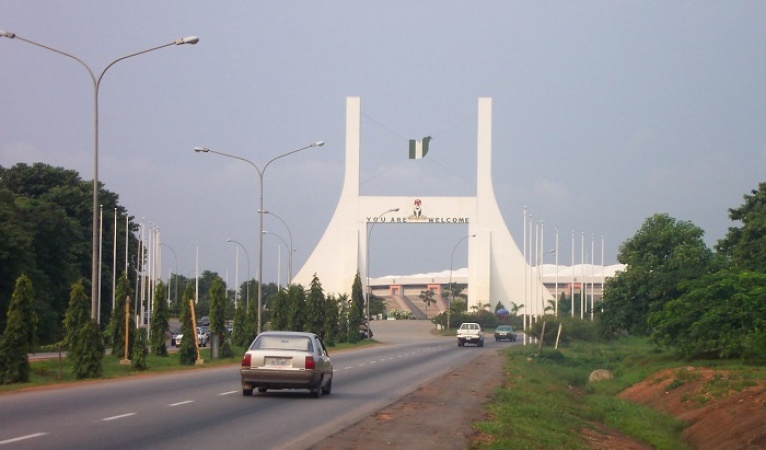
Abuja Unity Gate
As the Federal Capital Territory (FCT) marks 50 years since its creation, indigenous communities of Abuja have renewed calls on the Federal Government and the FCT Administration to address what they describe as decades of injustice, displacement and systemic marginalisation suffered by the territory’s original inhabitants.
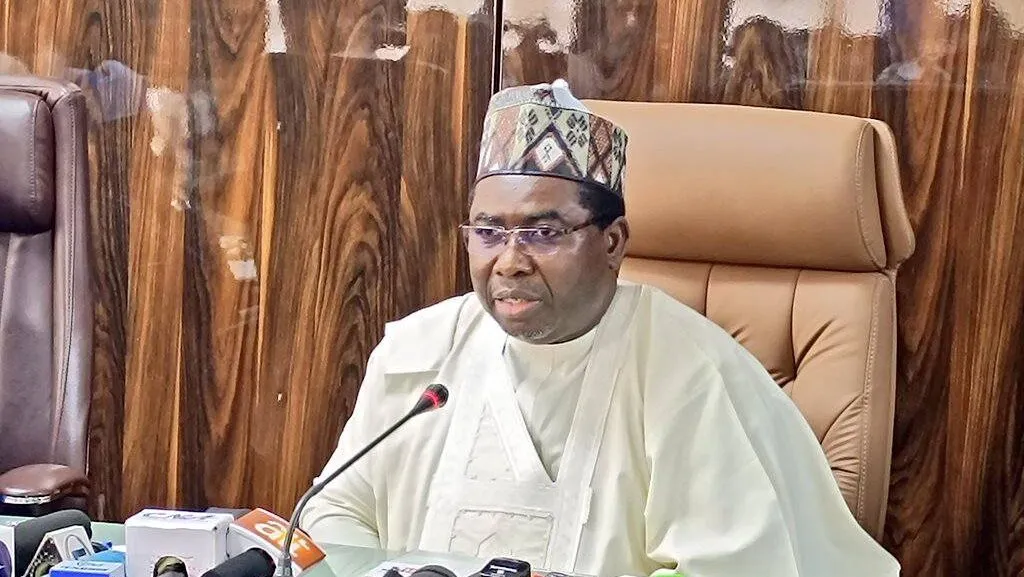
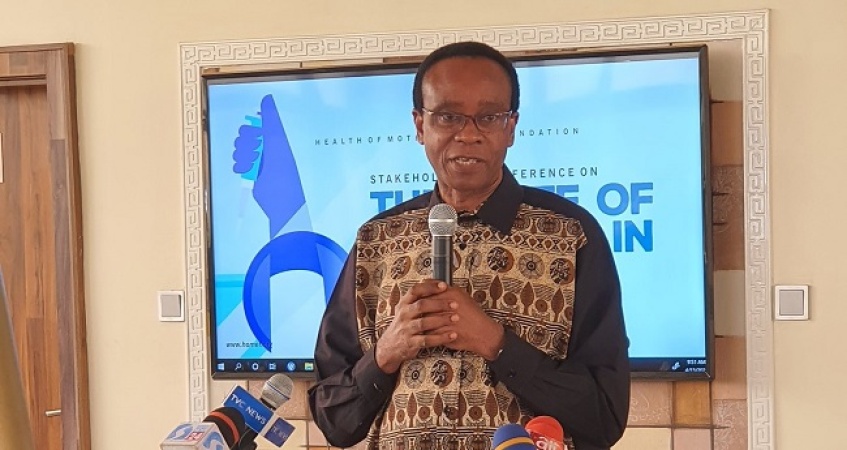
The call was made at a press briefing addressed by Elder Danjuma Tanko Dara, Coordinator of the FCT Senior Citizens Forum, who spoke on behalf of indigenous groups across the capital.
The briefing formed part of activities marking the golden jubilee of the FCT, tracing back to February 3, 1976, when Nigeria’s former Head of State, General Murtala Mohammed, announced the relocation of the nation’s capital from Lagos to Abuja—a decision aimed at promoting national unity, accessibility and balanced development.
While Abuja has grown into the political and administrative heartbeat of Nigeria over the past five decades, Elder Dara said the anniversary remains a painful reminder of unfulfilled promises for the indigenous population.
“Fifty years ago, a new national capital was established on our ancestral land. Today, Abuja stands as a symbol of power and progress, but that growth has come at an enormous cost to our people,” he said.
According to him, indigenous communities were displaced from over 8,000 square kilometres of ancestral land, subjected to repeated forced evictions, stripped of traditional livelihoods and largely excluded from political representation within the territory.
“These injustices have endured for decades and continue to define our lived reality. We demand justice, recognition and meaningful inclusion in the governance and development of the Federal Capital Territory,” Dara stated.
A retrospective look at Abuja’s 30th anniversary in 2006 presents a period widely regarded as a turning point in the city’s physical and institutional development. That era coincided with the tenure of Mallam Nasir El-Rufai as Minister of the Federal Capital Territory (2003–2007).
Under his leadership, the Abuja Master Plan was aggressively enforced, restoring order to a city that had drifted under years of unchecked expansion. Illegal structures were demolished, green areas reclaimed and zoning regulations reinstated—decisions that were controversial at the time but later acknowledged as critical to preserving Abuja’s long-term sustainability.
Infrastructure development gathered pace, with major road networks, inter-district corridors and key government districts expanded or completed, reinforcing Abuja’s status as Nigeria’s administrative hub.
The systematic development of satellite towns and housing estates—including the 1,000 Housing Units project in Pegi community, Kuje Area Council—helped decongest the city centre while accommodating a rapidly growing population.
Abuja also emerged as a diplomatic and conference capital, hosting international summits and attracting a growing number of foreign missions. By its 30th anniversary, the city had gained recognition as one of Africa’s fastest-growing and most orderly capital cities.
Despite these milestones, indigenous leaders insist that development has largely excluded the original owners of the land.
As the FCT marks its golden jubilee, they are calling for restitution, political inclusion, protection of remaining ancestral lands and deliberate policies that recognise indigenous peoples as full stakeholders—not passive observers—in the future of Nigeria’s capital.
“Development without justice is incomplete,” Elder Dara said. “As Abuja celebrates 50 years, our people deserve dignity, equity and a rightful place in the FCT they gave to the nation.” (The Guardian)



