Updating your news feed...
NEWS EXPRESS is Nigeria’s leading online newspaper. Published by Africa’s international award-winning journalist, Mr. Isaac Umunna, NEWS EXPRESS is Nigeria’s first truly professional online daily newspaper. It is published from Lagos, Nigeria’s economic and media hub, and has a provision for occasional special print editions. Thanks to our vast network of sources and dedicated team of professional journalists and contributors spread across Nigeria and overseas, NEWS EXPRESS has become synonymous with newsbreaks and exclusive stories from around the world.









Loading banners
Loading banners...

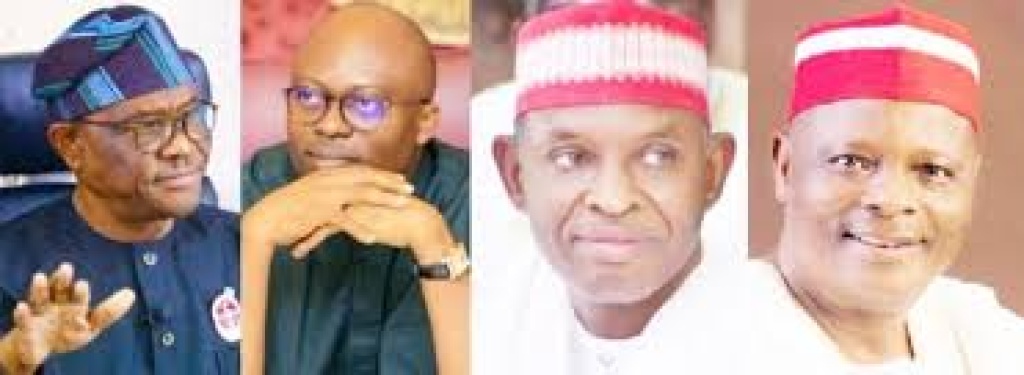
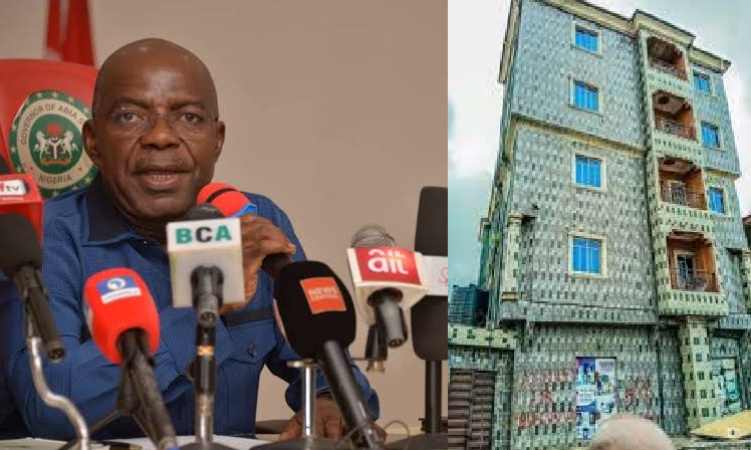
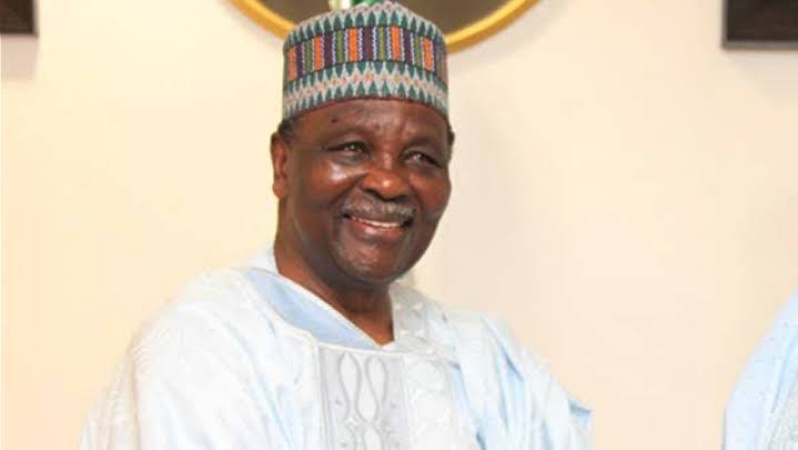
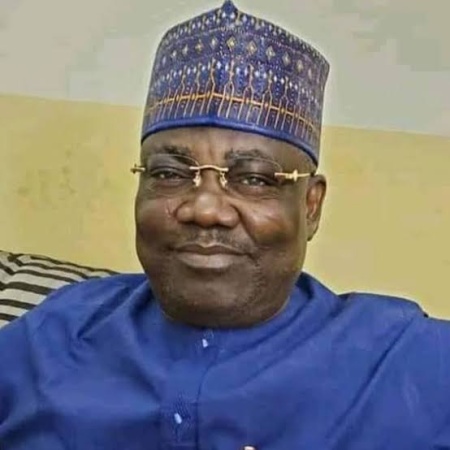
Wike, Fubara, Kwankwaso, Yusuf
Every night around 9 p.m., Sadiq Bello steps outside his Abuja apartment to make a phone call he never used to rehearse. His wife and children live in Kano. His mother stays close to the palace district. What was once a casual family check-in has become a ritual of reassurance.
He asks in Hausa: Are the streets quiet? Did the children return early? Any trouble near the market? “When they say everywhere is calm, that’s when I sleep,” he told Sunday Vanguard.
Sadiq does not work in politics. But politics now dictates how his family moves, plans and breathes. When tensions rise between rival political camps in Kano, his children stay home from school.
When supporters trade threats online, his wife avoids familiar routes. None of the politicians driving the crisis know his name. Still, their quarrel has followed him into his living room in Abuja.
This is how Nigeria’s godfather–godson politics arrives in ordinary lives, not as policy debates or party strategy, but as fear.
Across Nigeria, political mentorship is often packaged as stability; an experienced politician guiding a younger leader, continuity standing in for chaos. But what is playing out in Kano and Rivers states exposes the darker side of that arrangement. Once these relationships break down, institutions are turned into weapons, and it is the citizens who end up paying the price.
In both states, the story begins the same way: a godfather installs a successor; the godson seeks independence. What follows is not negotiation but open warfare; played out through assemblies, courts, defections and federal power.
From Abuja, the symmetry is hard to ignore. Rivers is locked in paralysis. Kano has been violently realigned. Different outcomes, same cost.
Rivers State: A Government at War with Itself
In Rivers, the rupture followed succession. Nyesom Wike, after eight years of dominance, handpicked Siminalayi Fubara as governor, expecting continuity and loyalty. When Fubara began asserting autonomy, the relationship collapsed. The fallout was swift. The House of Assembly split. Budgets stalled. Governance slowed to a crawl
Parallel authorities emerged, each claiming legitimacy. For residents, government became something discussed endlessly on radio while projects froze in place. When a state of emergency was declared, it was presented as an attempt to restore order. On the ground, many residents saw something else: federal power stepping into a personal feud. Whatever stability returned, trust did not.
Rivers became a case study in how godfatherism, when challenged, can paralyse an entire state.
Kano: Defection as Detonation
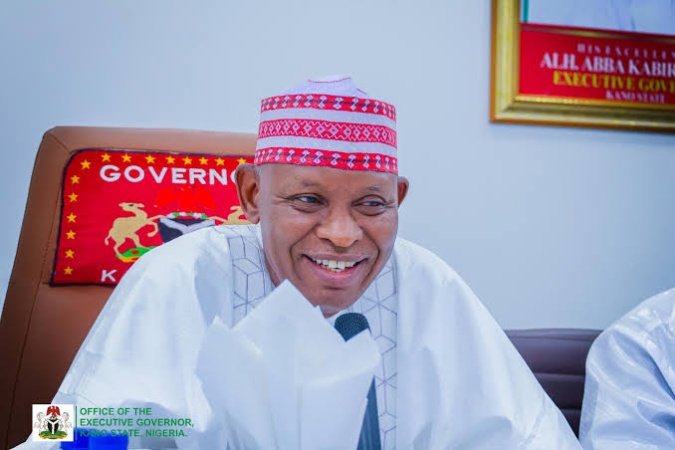
Kano’s crisis unfolded differently but cut just as deep. In January 2026, Governor Abba Kabir Yusuf defected from the NNPP to the APC, taking lawmakers with him and leaving behind the movement that produced him. For Rabiu Musa Kwankwaso, his political mentor of decades, the defection was more than strategic, it was personal.
Kwankwaso had groomed Yusuf politically and defended him through difficult battles. Their alliance was reinforced by long history and family ties. To many in Kano, the defection felt like betrayal made public.
The symbolism was stark. Yusuf, who once rejected even the chair used by his predecessor Abdullahi Ganduje, now stood openly endorsed by the same Ganduje. Yesterday’s enemy became today’s ally.
On the streets, tension followed. Rival emirates hardened divisions. Supporters squared off. Clerics preached restraint while politicians reconciled privately. Ordinary people were urged to stay away from violence triggered by battles that were never about them.
Abuja’s Quiet Hand
Neither Rivers nor Kano unraveled in isolation. In Rivers, Abuja appeared through emergency powers.
In Kano, it arrived through political embrace and federal incentives.
In both cases, the centre shaped outcomes. When access to federal power becomes the ultimate insurance policy, loyalty shifts away from voters and toward proximity. Politics stops being about persuasion and becomes about survival.
For families like Sadiq’s, the consequences are immediate. School routines change. Businesses slow. Anxiety becomes part of daily life.
Public Reactions
Igiri Innocent, a Labour Party chieftain, said: “In Rivers State, Wike tried godfatherism, it’s failing already. In Kano State, Kwankwaso tried it, it has failed. In Kaduna State, El-Rufai tried it, it failed. But it is succeeding in Ebonyi State of South-East for the very first time.”
Usman Suleiman, a journalist, said: “We really love Kano, but it seems Kano State’s politicians, clerics, and traditional leaders are just playing with the people’s minds. Only in Kano do you see two emirs, each with his own supporters, causing brothers to fight each other simply because they back different people. Look at the latest drama between Governor Abba Kabir Yusuf and Senator Rabiu Musa Kwankwaso. When Abba first took office, he refused to sit on the official chair used by his predecessor, Abdullahi Ganduje, and insisted on a new one. But now, the same Ganduje is publicly raising Abba’s hand in support after his defection to the APC. Enough is enough for wise people. Use your brain and stay out of their drama. Don’t fight anyone because of them. I’m telling you the truth: these big men are always together behind the scenes, no matter the public show.”
Ira Andenwui, a public affairs analyst, said: “What exactly is Kwankwaso not getting right at Kano? He sacrificed all for Ganduje. He was faithf”l and loyal to Ganduje since their walk in governance commenced officially in 1999.
“Kwankwaso has one grave ‘weakness’: he can be loyal to a fault to his followers. Other godfathers demand respect and loyalty from their followers, rightly so.
“But the man Kwankwaso, a kingmaker in Kano would rather be loyal to you than pride in your loyalty to him. This has become a ‘curse’ to his political movement. Again, the ‘Kwankwaso curse’ struck. Abba dumped Kwankwaso.”
The People In-between
From Abuja, these battles are analysed as strategy and ambition. On the ground, they feel like something simpler and crueller.
They feel like nightly phone calls. Like children staying home. Like families learning to live with uncertainty.
Back in Abuja, Sadiq’s phone lights up. Kano is calm tonight. He exhales. Tomorrow, he will call again, until Nigerian politics remembers that power is meant to protect people, not turn their lives into collateral damage. (Sunday Vanguard)