 ADAD
ADAD
Updating your news feed...
NEWS EXPRESS is Nigeria’s leading online newspaper. Published by Africa’s international award-winning journalist, Mr. Isaac Umunna, NEWS EXPRESS is Nigeria’s first truly professional online daily newspaper. It is published from Lagos, Nigeria’s economic and media hub, and has a provision for occasional special print editions. Thanks to our vast network of sources and dedicated team of professional journalists and contributors spread across Nigeria and overseas, NEWS EXPRESS has become synonymous with newsbreaks and exclusive stories from around the world.






Loading banners
Loading banners...

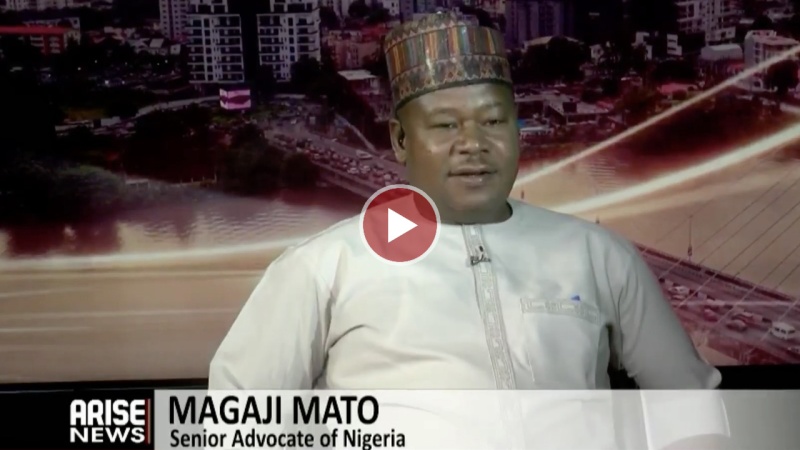
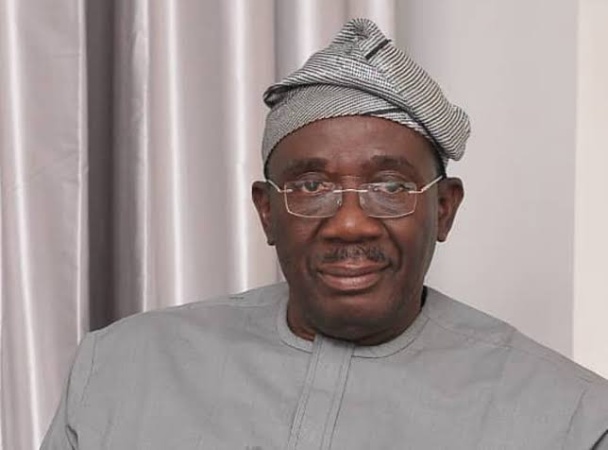
Professor Yemi Oke, SAN, a Professor of Energy and Electricity Law at the University of Lagos, has attributed Nigeria’s persistent power crises to human mismanagement rather than technical failures.
Speaking in an interview on ARISE News on Wednesday, he said the ongoing national grid collapses are largely the result of human factors.
“We’re challenged and our challenges are human. If it’s technical, human. If it’s financial, human. If it’s the government, human,” Oke stated, emphasising that the root of the problem is not the technology itself.
On the country’s failure to implement solutions despite years of recommendations from experts, Oke said: “Until, only until, we all decide to do the right thing, all of us, we say we need to be stronger with this kind of challenge we have in front of us. The law is there, but we need to bring to life many other forms of thinking.”
The professor also highlighted the financial and commercial obstacles hindering investment in the power sector. “It’s not bankable because there is no commercial viability. Pure and simple,” he said, stressing that investors are deterred by a lack of structured, reliable frameworks.
He further criticised the prioritisation of electricity distribution in Nigeria, noting that low-income and rural consumers are often left without supply. “The rural areas, the low income earners are not going to get that,” he said, explaining that high-capacity electricity is often directed towards industrial customers who can pay.
Oke also reflected on the consequences of the country’s power sector privatisation. “Before privatisation, we were oscillating around less than 5,000 megawatts. After privatisation, we are doing even less than 5,000. We’ve generated more than we could transmit,” he said, highlighting the inefficiencies and increased spending despite supposed reforms.
He concluded by stressing that a combination of human accountability, commercial viability, and investment-ready structures are essential to fixing Nigeria’s power sector. “If you go for FDI and your structure is bankable, investors will come,” Oke said. “A state that does not honor its contractual obligations, a state that is not responsible, who knows how investors do that to cover an investment. If you put your bankability structures in place, investors will come. My view.”
Nigeria continues to struggle with frequent national grid collapses and low electricity supply, threatening economic productivity and leaving millions without reliable power. According to Oke, addressing human mismanagement and creating commercially viable opportunities are critical to turning the sector around. (Arise News)



