ADVERTISEMENT
ADVERTISEMENT























Loading banners


NEWS EXPRESS is Nigeria’s leading online newspaper. Published by Africa’s international award-winning journalist, Mr. Isaac Umunna, NEWS EXPRESS is Nigeria’s first truly professional online daily newspaper. It is published from Lagos, Nigeria’s economic and media hub, and has a provision for occasional special print editions. Thanks to our vast network of sources and dedicated team of professional journalists and contributors spread across Nigeria and overseas, NEWS EXPRESS has become synonymous with newsbreaks and exclusive stories from around the world.
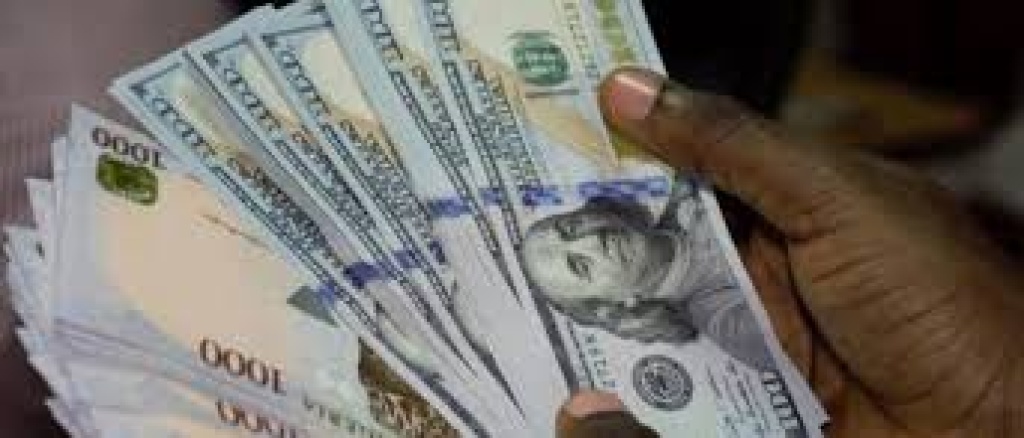
Naira and dollar banknotes
The naira is facing fresh pressure with the unofficial or parallel market rate trading significantly weaker than the official rate yesterday.
This development could be attributed to persistent demand for dollars, limited supply and structural factors, which are driving ongoing volatility in the exchange rate even as authorities pursue reforms.
In Abuja’s informal foreign exchange (FX) market yesterday, the naira weakened against the dollar, reflecting sustained demand for hard currency among businesses, importers and individuals.
Parallel market operators quoted the dollar at between N1,490 and N1,500 per dollar, marking renewed depreciation pressure.
This represents one of the wider disparities between unofficial and official rates seen in recent months.
Meanwhile, the official Nigerian Foreign Exchange Market (NFEM) rate, which is the benchmark used by banks and formal financial institutions, has remained relatively stable, trading between N1,420 and N1,430 per dollar since the beginning of the month. The gap between the two markets underscores persistent segmentation and imbalance in dollar supply and demand.
As schools resume and Nigerians living in the diaspora return to their bases, the renewed pressure on the naira is not unexpected.
Most Nigerians source their FX needs from the unofficial market.
The pressure comes from persistent dollar scarcity amid competing demand from importers and remittance recipients.
Indeed, the naira’s exchange rate landscape has shifted markedly over the past three years, when President Bola Tinubu assumed power.
The Central Bank of Nigeria (CBN) has unified multiple foreign exchange windows and allowed the currency to be priced by market forces under a ‘willing buyer, willing seller’ framework, replacing rigid controls that had characterised the market before 2023.
This move eliminated artificial pricing differential but also exposed the currency to downward pressure as FX demand outpaced supply.
Throughout 2024 and into 2025, the naira depreciated substantially, with official rates falling from below N900/$1 in 2023 to over N1,500/$1 in 2025, and parallel market rates at times exceeding N1,600/$1.
The movement reflected structural FX shortages, fluctuating oil revenues and speculative activity.
In mid-2025, however, reforms and modest dollar inflows helped to narrow the gap between official and parallel rates at certain intervals, indicating periods of relative stability.
At one point, the two markets converged, eliminating manipulation and round-tripping.
A weaker naira raises prices for imported goods such as refined fuel, machinery, electronics and medical supplies, contributing to higher living costs.
For businesses, it increases operational costs and could erode profit margins, particularly for firms dependent on imported inputs.
An investment banker, Tolulope Alayande, said sustaining FX stability will depend on continued reforms to deepen formal market liquidity, attract foreign direct investment and diversify FX earnings beyond oil. (The Guardian)