Updating your news feed...
NEWS EXPRESS is Nigeria’s leading online newspaper. Published by Africa’s international award-winning journalist, Mr. Isaac Umunna, NEWS EXPRESS is Nigeria’s first truly professional online daily newspaper. It is published from Lagos, Nigeria’s economic and media hub, and has a provision for occasional special print editions. Thanks to our vast network of sources and dedicated team of professional journalists and contributors spread across Nigeria and overseas, NEWS EXPRESS has become synonymous with newsbreaks and exclusive stories from around the world.























Loading banners
Loading banners...

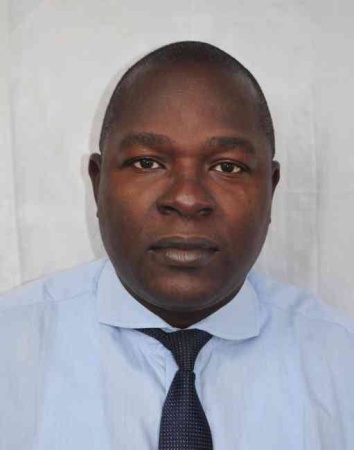
Dr Harrison Samuel
By Dr SAMUEL HARRISON
Recent years have brought troubling reports across Nigeria about sudden death. People have been found unresponsive in hotel rooms, collapsed suddenly before work, died during routine exercise, and in some cases slumped while watching Sport matches. There are also accounts, often anecdotal, of sudden collapse following intense emotional distress such as relationship disappointment. Clinicians and the Nigerian Cardiac Society have reported that these incidents are part of a rising pattern and have issued public warnings to encourage prevention and prompt action. [1]
UNDERSTANDING THE PROBLEM
Clinicians define sudden natural death in plain terms as an unexpected death that occurs within one hour of the first symptom, or, if the event is unwitnessed, a death in someone who was seen alive and well within the previous 24 hours. In most cases, the final event is the heart stopping suddenly, commonly because of a disturbance in the heart's structure or electrical system. Sudden cardiac death is the leading type and explains most of the unexpected natural deaths recorded worldwide. [2]
The numbers are sobering. In the United States alone, more than 436,000 people experience out-of-hospital cardiac arrest each year. Across Europe, pooled data from national registries show similar rates—about 67 cases per 100,000 people annually. [3] Cardiac causes are also the leading cause of death globally. [4] Local autopsy and hospital series offer a sobering complement to those global estimates. A 12-year autopsy review at a major teaching hospital in southeastern Nigeria found that 13.6 per cent of adult autopsies were sudden unexpected natural deaths and that cardiovascular disease dominated the causes. Most of these deaths occurred outside the hospital, where immediate lifesaving care was not available. [5] The accurate scale in Nigeria remains unclear. Many deaths happen at home without medical evaluation, and autopsy rates are low. Still, the pattern emerging from clinics, hospitals and communities suggests the problem is both substantial and growing.
WHY ARE SUDDEN DEATHS RISING IN NIGERIA?
A 2025 systematic review of 78 studies across 23 African countries, including Nigeria, found that more than one in four adults now has high blood pressure. This rate has climbed steadily over the past two decades. The review showed prevalence has reached 28.5 per cent across the continent, with urban areas particularly affected. [8] Several interacting factors help to explain this trend.
1. High blood pressure is common and often poorly controlled. Implementation studies and clinic audits in Nigeria show that many adults carry hypertension and that routine primary care often fails to identify or sustain treatment for these patients. Poor control of blood pressure quietly damages the heart and blood vessels for years, and this silent damage can end in sudden heart failure, stroke or a fatal heart rhythm disturbance. Large primary-care hypertension programmes in Nigeria aim to address these gaps but underline the size of the problem. [6,7]
2. Lifestyles have changed. Urban diets are characterised by greater consumption of processed foods and salt, whereas daily physical activity has declined. Obesity and diabetes are increasing in many cities. Collectively, these trends create a larger pool of people at risk of sudden cardiac events. [6,8]
3. Emotional stress matters. Scientific reviews and studies tracking people over time show that both chronic psychological stress and sudden intense emotions raise cardiovascular risk. Acute emotional surges increase heart rate and blood pressure, impair blood vessel function and may trigger dangerous heart rhythms or a heart attack in people who already have underlying disease. This biological link helps explain why some collapses follow emotionally charged events, including sporting matches or relationship crises. [2,9]
4. Gaps in access to regular care increase risk. Many Nigerians delay routine check-ups because tests and specialist visits can be costly, and only a minority have reliable, continuous contact with a medical doctor. Without routine screening and follow-up, conditions such as hypertension and diabetes remain undetected or poorly managed until a catastrophe occurs. Strengthening primary care, therefore, matters not only for chronic disease control but also for preventing sudden deaths. [6,10]
WARNING SIGNS TO WATCH FOR
Not every sudden death is preceded by symptoms, but many victims give warning signs days, weeks or months beforehand. These signs are often subtle and easy to dismiss.
Seek care immediately if you experience:
• Chest pain or pressure lasting more than five minutes, especially during activity
• Sudden severe headache—the worst you have ever experienced
• Fainting or collapse
• Severe breathlessness at rest
• Palpitations—a racing or irregular heartbeat, especially if new
• Shortness of breath with tasks once done easily
• Dizziness or near-fainting during exertion
• Persistent, unexplained fatigue
• Gradual decline in your ability to exercise
Quick checks, such as blood pressure measurement, pulse rhythm assessment, and a simple electrocardiogram (ECG), can identify many treatable conditions early. [2,6]
WHY REGULAR MEDICAL CARE MATTERS
Having a known family doctor (family physician) or primary care clinician is one of the best protections against sudden death. While ideally every household/community should have a family physician, the current shortage makes this difficult.
Family physicians and primary care clinicians build long-term relationships with patients and families. They take detailed medical and family histories, routinely screen for hypertension and diabetes, prescribe and monitor treatment, counsel on lifestyle changes, and coordinate specialist referrals as needed. Evidence reviews indicate that continuity of primary care and strong doctor-patient relationships are associated with improved detection, better long-term management of chronic disease, and lower mortality rates. In short, a household with regular medical contact is far more likely to detect silent risks early and prevent emergencies. [10,11]
For families that experience an unexplained sudden death, a family physician can arrange appropriate investigations and screening for relatives, provide clear explanations and coordinate follow-up care, including genetic or specialist referrals where needed. In the meantime, register with your nearest health facility for routine check-ups.
PRACTICAL STEPS HOUSEHOLDS CAN TAKE TODAY
1. Know your numbers. Check blood pressure, blood sugar and, where possible, cholesterol regularly at a primary health centre or clinic. These checks are quick and often inexpensive. The 2025 Africa-wide review found that urban residents had higher rates—nearly 33 per cent—highlighting the urgent need for screening in cities. [6,8]
2. Move more. Aim for 30 minutes of moderate activity most days, such as brisk walking.
3. Improve your diet. Reduce salt and processed foods; increase vegetables, fruit and whole foods.
4. Stop smoking and limit alcohol. These are avoidable risks for heart disease.
5. Manage stress. Use family support, prayer, relaxation or counselling. Severe emotional strain can trigger events in vulnerable people. [9]
6. Learn basic CPR. Early chest compressions and early defibrillation significantly increase survival from out-of-hospital cardiac arrest. Community training in schools and workplaces should be routine. [11,12]
7. Act on warning symptoms. Do not wait or rely only on traditional remedies when chest pain, fainting or severe breathlessness occur. These require urgent medical assessment.
WHAT THE GOVERNMENT AND INSTITUTIONS MUST DO
Prevention requires action beyond individual behaviour change. While Nigeria faces competing health priorities—maternal mortality, malaria, HIV/AIDS, trauma—the growing burden of non-communicable diseases like hypertension now demands urgent attention alongside these traditional challenges.
• Provide free basic screening (blood pressure, body mass index, blood sugar) at primary health centres and during outreach programmes so people know their risk status. [6]
• Expand Cardiorespiratory resuscitation (CPR) and automated external defibrillator (AED) training in secondary schools and workplaces, building local capacity to teach and refresh these skills. International guidance supports school- and workplace-based training as an effective means of increasing response rates when someone collapses. [12]
• Equip public places with emergency response capability. Stadiums, markets, transport hubs and large workplaces should have rapid-response arrangements and accessible automated external defibrillators, with staff trained to use them. Scientific statements stress that public-access defibrillator programmes integrated with emergency dispatch systems improve survival from cardiac arrest. [11]
• Expand insurance coverage and reduce the cost of chronic medicines so people can remain on long-term therapy for hypertension and diabetes. [7]
• Support primary care quality improvement so clinics have simple treatment protocols, patient registries and regular follow-up. Such measures improve detection, treatment adherence and long-term control of cardiovascular risk. [10]
• Strengthen death certification and autopsy systems. Improved data collection, including community-based approaches to understanding deaths occurring outside hospitals, will help track trends and inform prevention efforts.
A CALL TO ACTION
Sudden death is rarely random. In most cases, it follows a long, silent process that becomes fatal only when left unrecognised and untreated. The 2025 Africa-wide review tracking two decades of data makes clear that hypertension prevalence has climbed steadily, with rates now exceeding 50 per cent among those aged 75 and older. [8] These trends are not inevitable. Paying attention to warning signs, adopting healthier habits, ensuring access to regular medical care, and equipping communities with lifesaving skills will prevent many tragedies.
Call a relative or friend today and ask when they last checked their blood pressure. Then book your own check at your nearest health centre. Make an inquiry where you can have one-on-one health counselling with a family physician for health promotion and prevention of avoidable health-related death.
REFERENCES
1. A release by the Nigerian Cardiac Society on the recently reported incidents of sudden deaths associated with football matches. Nigeria Health Watch. 11 Feb 2024. Available from: https://articles.nigeriahealthwatch.com/a-release-by-the-nigerian-cardiac-society-on-the-recently-reported-incidents-of-sudden-deaths-associated-with-football-matches/ (Accessed 12 Jan 2026).
2. World Health Organization. Cardiovascular diseases (CVDs). Geneva: WHO; 2023. https://www.who.int/news-room/fact-sheets/detail/cardiovascular-diseases-(cvds) (Accessed 12 Jan 2026).
3. Martin SS, Aday AW, Almarzooq ZI, Anderson CAM, Arora P, Avery CL, et al; American Heart Association Council on Epidemiology and Prevention Statistics Committee and Stroke Statistics Subcommittee. 2024 Heart Disease and Stroke Statistics: A Report of US and Global Data From the American Heart Association. Circulation. 2024 Feb 20;149(8):e347-e913.
4. World Health Organization. Global health estimates: leading causes of death. Geneva: WHO; 2024. Available from: https://www.who.int/news-room/fact-sheets/detail/the-top-10-causes-of-death (Accessed 12 Jan 2026).
5. Ukekwe FI, Odunukwe NN, Olusina DB, Okafor OC, Nzegwu MA. Sudden unexpected natural deaths of adults in Southeastern Nigeria: a 12-year autopsy review. J Adv Med Med Res. 2022;34(20):444–55.
6. Baldridge AS, Aluka-Omitiran K, Orji IA, Shedul GL, Ojo TM, Eze H, et al. Hypertension Treatment in Nigeria (HTN) Program: rationale and design for a type 2 hybrid, effectiveness, and implementation interrupted time series trial. Implement Sci Commun. 2022;3(1):84.
7. Ojji DB, Baldridge AS, Orji IA, Shedul GL, Ojo TM, Ye J, Chopra A, et al. Hypertension Treatment in Nigeria Program Investigators. Characteristics, treatment, and control of hypertension in public primary healthcare centers in Nigeria: baseline results from the Hypertension Treatment in Nigeria Program. J Hypertens. 2022;40(5):888-896.
8. Olowoyo P, Okekunle AP, Asowata OJ, Atolani S, Morsy MI, Caiazzo E, et al. Prevalence of hypertension in Africa in the last two decades: systematic review and meta-analysis. Cardiovasc Res. 2025;121(12):1815-1829.
9. Vaccarino V, Bremner JD. Stress and cardiovascular disease: an update. Nat Rev Cardiol. 2024;21(9):603-616.
10. Burch P, Walter A, Stewart S, Bower P. Patient reported measures of continuity of care and health outcomes: a systematic review. BMC Prim Care. 2024;25(1):309.
11. Brooks SC, Clegg GR, Bray J, Deakin CD, Perkins GD, Ringh M, et al. International Liaison Committee on Resuscitation. Optimizing Outcomes After Out-of-Hospital Cardiac Arrest With Innovative Approaches to Public-Access Defibrillation: A Scientific Statement From the International Liaison Committee on Resuscitation. Circulation. 2022;145(13):e776-e801.
12. Cheng A, Magid DJ, Auerbach M, Bhanji F, Bigham BL, Blewer AL, Dainty KN, Diederich E, Lin Y, Leary M, Mahgoub M, Mancini ME, Navarro K, Donoghue A. Part 6: Resuscitation Education Science: 2020 American Heart Association Guidelines for Cardiopulmonary Resuscitation and Emergency Cardiovascular Care. Circulation. 2020;142(16_suppl_2):S551-S579.
•Dr Harrison Samuel, Chief Medical Officer, is a member of the Association of Resident Doctors, Federal Capital Territory Administration (FCTA) chapter.