
Updating your news feed...
NEWS EXPRESS is Nigeria’s leading online newspaper. Published by Africa’s international award-winning journalist, Mr. Isaac Umunna, NEWS EXPRESS is Nigeria’s first truly professional online daily newspaper. It is published from Lagos, Nigeria’s economic and media hub, and has a provision for occasional special print editions. Thanks to our vast network of sources and dedicated team of professional journalists and contributors spread across Nigeria and overseas, NEWS EXPRESS has become synonymous with newsbreaks and exclusive stories from around the world.

















Loading banners
Loading banners...

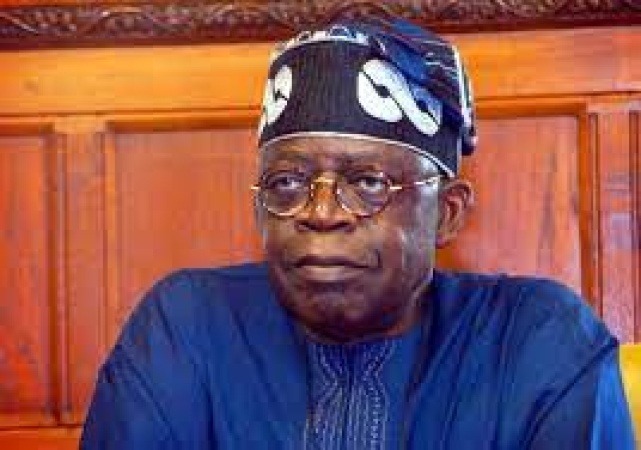
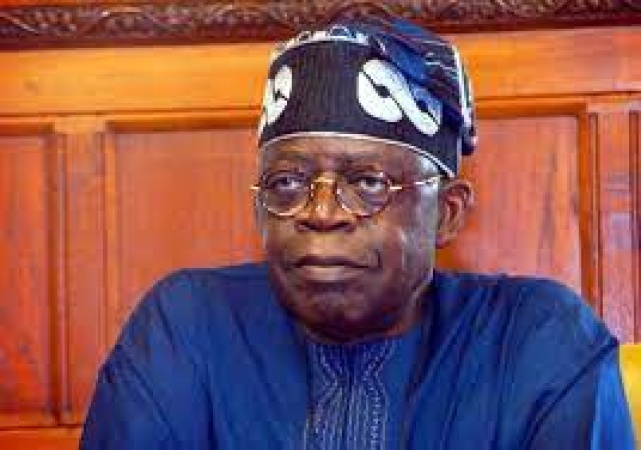
President Bola Ahmed Tinubu
One of the wishes of many Nigerians in 2025, especially the masses, which was also a ‘prayer point’ for many, was the suspension of the implementation of the new tax law.
There were also severe criticisms over allegations of alterations in the gazetted copy signed by the president, forcing huge public outcry.
Despite the outcry and criticisms, President Bola Tinubu ordered for the implementation, and the new law has just taken effect on January 1, 2026, as scheduled.
The banks have already started the implementation with notices to their customers on updates on Stamp Duty Charges, which from January 1, 2026, the ₦50 Electronic Money Transfer Levy (EMTL) will be referred to as Stamp Duty and the charge applies to electronic transfers of ₦10,000 and above, with the sender bearing the charge instead of the beneficiary.
The banks, which have also sent messages on new daily withdrawal limits to their customers, said the development is following the release of the new directive from the Federal Inland Revenue Service (FIRS) under the New Tax Act (NTA) 2025.
Of course, these have raised apprehension in society, as many fear undue deductions from their meagre earnings, suffocating charges for small businesses, further decline in purchasing power, and more becoming poor.
With the breaking of 2026 and a dawn in taxation in the country, many are slowing down on purchases, money transfers and visits to their banks, just to watch the new dawn unfold and to understand the direction it is taking them to.
Ahead of the anticipated implementation, in the last week of December, Aniete Effiong, a public servant, withdrew large sums of money from her major accounts, with the hope of not engaging in major financial transactions until January month end.
Some parents also paid their children’s tuition fees ahead, mostly private schools, not just against the pressure of January, but in apprehension of what the new tax law might
bring.
“I borrowed money to complete my four children’s school fees. The school said that we should wait till January, but I paid into their account in December. It is better to sort it out in January than to be under pressure to pay and to save myself from the deductions of the new tax law,” Sunny Elekwa, a father of four, said.
He noted that many parents did the same to save themselves from the heat of the new law, which he said has been controversial, hence it is difficult to believe the assurances of the government.
“Don’t be deceived, this government is taxing everybody, even wheelbarrow pushers, nobody is exempted,” he said.
While the masses are starting to feel the heat of the new tax law, some experts are still dissatisfied with the implementation.
Alice Oyomekun, a commercial lawyer, raised suspicion over the swiftness in which the new law is being implemented.
“Why be in a hurry to implement the new law, instead of addressing the grey areas and concerns raised by some lawmakers, tax and financial experts,” she said, noting that something is wrong.
According to her, the new law shouldn’t be in the first place because governments have not been judicious with taxpayers’ money in the past.
“Tell me which administration? They will end up in private pockets as usual. 2027 is here and our tax money will be used to buy votes as usual,” she said.
Toeing the same lane, Chijioke Umelahi, an Abuja-based lawyer, noted that the grave concern for him is the smuggling in of very dangerous provisions in the new law, which were expunged earlier by the National Assembly.
“The praise-singers of the president claimed that he has listening ears, so why didn’t he listen to the public outcry to suspend the implementation and order the National Assembly to address the discrepancies between what they earlier passed and the gazetted laws he signed,” he said.
According to Umelahi, a former Abia lawmaker, there is danger ahead because Nigerians don’t really know what was smuggled in and signed into law, which could be the burden the masses are going to bear in addition to the hardship brought by the present administration that is not easing off.
With the commencement of the new law, many concerned citizens are decrying that the present administration is prioritising the expected financial gains from taxes over the welfare of Nigerians.
They insisted that the new tax law will take more from the little many earn, while declining further purchasing power that has been all time low since the inception of the present administration.
“If the President is looking for money, he should use the subsidy fund, and stop sharing it among the governors who are only appointing more assistants, buying vehicles and renovating government houses,” an anonymous observer said.
“Prosperity cannot come by taxing the poor,” another said.
Nigerians are still observing the situation as the days roll in, hoping that things will turn out better.
But in general, the implementation of the new tax law is not a good new year gift to Nigerians, many noted. (BusinessDay, but headline rejigged)




