ADAD
Updating your news feed...

NEWS EXPRESS is Nigeria’s leading online newspaper. Published by Africa’s international award-winning journalist, Mr. Isaac Umunna, NEWS EXPRESS is Nigeria’s first truly professional online daily newspaper. It is published from Lagos, Nigeria’s economic and media hub, and has a provision for occasional special print editions. Thanks to our vast network of sources and dedicated team of professional journalists and contributors spread across Nigeria and overseas, NEWS EXPRESS has become synonymous with newsbreaks and exclusive stories from around the world.














Loading banners
Loading banners...

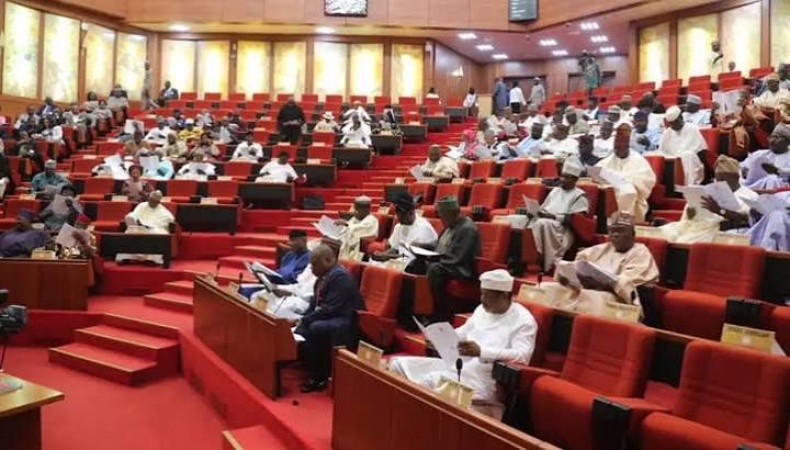
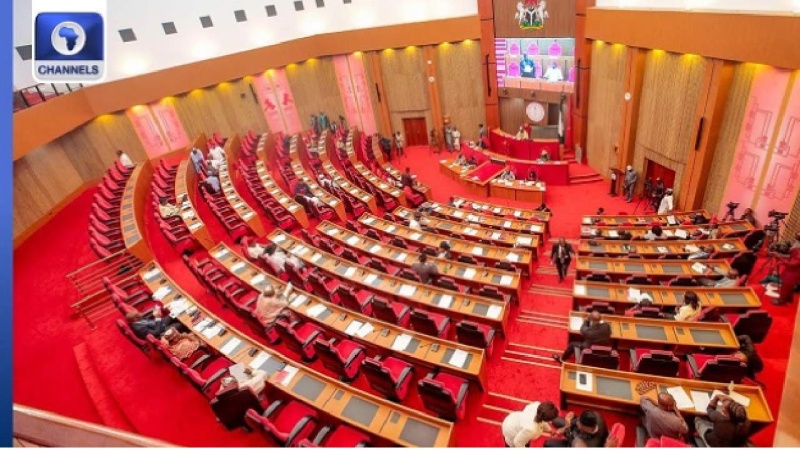
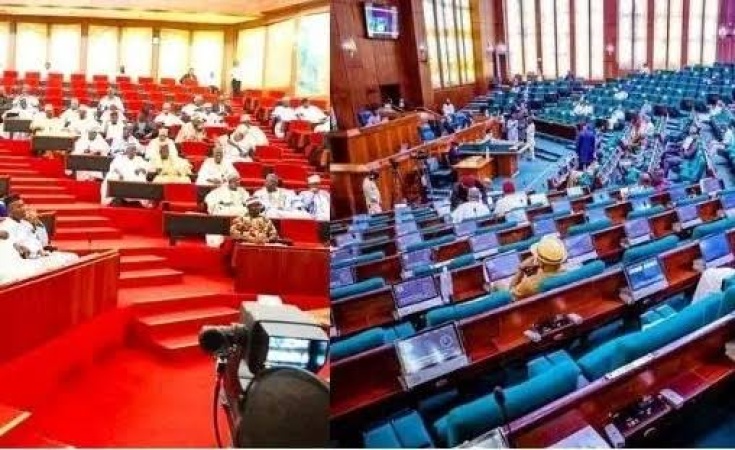
The Nigerian Senate during plenary
The Senate has moved to strengthen funding and infrastructure in public senior secondary schools across the country, passing for second reading a bill that seeks to address inadequate classrooms, poorly equipped laboratories, shortages of instructional materials and disparities in educational facilities.
The proposed legislation would also establish education boards in the 36 states and the Federal Capital Territory (FCT), while extending intervention programmes to Federal Unity Colleges and Armed Forces senior secondary schools.
However, consideration of the bill raised concerns over the failure of some state governments to access available education intervention funds and the adequacy of legislative scrutiny, with former Senate President Ahmad Lawan and Adams Oshiomhole questioning aspects of education funding and the lawmaking process.
Sponsored by Senate Leader Opeyemi Bamidele, the National Senior Secondary Education Commission (Amendment) Bill, 2026, seeks to amend the National Senior Secondary Education Commission Act, 2023, to improve the administration, financing and delivery of senior secondary education.
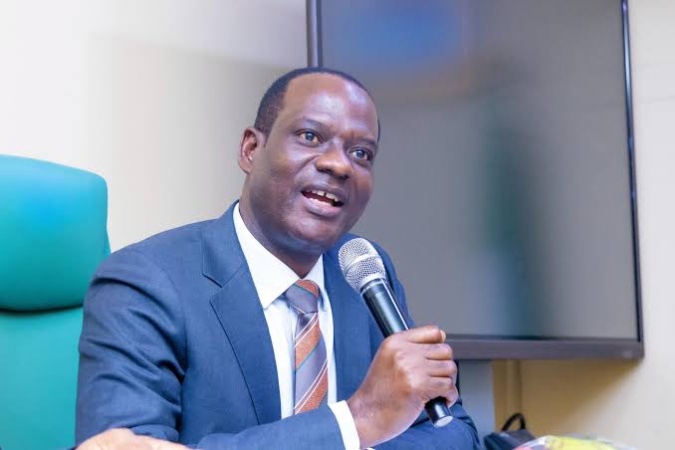
Leading debate on the bill during yesterday’s plenary, Bamidele said the quality of senior secondary education remained critical to Nigeria’s economic development, technological advancement and the preparation of young people for higher education and employment.
“The importance of senior secondary education in our national development cannot be overstated. This level of education provides the foundation for higher education, technical and vocational training, skills acquisition and the preparation of young Nigerians for productive participation in society.
“It is also a critical stage in the development of the human capital required to drive national economic growth, innovation and technological advancement.”
Bamidele explained that the proposed amendments would strengthen coordination among the Federal Government, state governments and relevant education authorities, while establishing clearer arrangements for administering intervention programmes.
He argued that the existence of a national commission alone was insufficient to address the challenges confronting secondary schools without effective institutional structures at the state and FCT levels.
According to him, the proposed education boards would bring intervention programmes closer to schools and communities, making it easier to identify infrastructure deficiencies and respond to the needs of students and teachers.
He added that extending the intervention framework to Federal Unity Colleges and Armed Forces senior secondary schools would help address deficiencies in their classrooms, laboratories and other learning facilities.
The Senate Leader, however, warned that increased funding and expanded institutional responsibilities would achieve little without transparency, effective monitoring and proper financial accountability.
“It is therefore important that the Commission exercises its responsibilities in a manner that promotes fairness, measurable outcomes and the prudent utilisation of public funds.”
Bamidele urged his colleagues to support the bill, maintaining that investment in senior secondary education was essential to developing the skilled workforce required for economic growth and national competitiveness.
Senate Chief Whip Mohammed Monguno supported the proposal, arguing that improved funding and coordination would make quality senior secondary education more accessible to communities across the country.
Senators Diket Plang and Ahmad Lawan also backed the bill, expressing optimism that strengthening the commission would improve educational standards, curriculum delivery and learning outcomes.
Lawan, however, expressed concern that some state governments were failing to access funds available through the Universal Basic Education Commission (UBEC), thereby denying schools and pupils resources intended to improve educational facilities and access.
Although UBEC funding primarily covers basic education rather than senior secondary education, his intervention raised a broader question about whether creating additional funding structures would produce the desired results without addressing weaknesses in the utilisation of existing education intervention funds (The Sun)