Updating your news feed...

NEWS EXPRESS is Nigeria’s leading online newspaper. Published by Africa’s international award-winning journalist, Mr. Isaac Umunna, NEWS EXPRESS is Nigeria’s first truly professional online daily newspaper. It is published from Lagos, Nigeria’s economic and media hub, and has a provision for occasional special print editions. Thanks to our vast network of sources and dedicated team of professional journalists and contributors spread across Nigeria and overseas, NEWS EXPRESS has become synonymous with newsbreaks and exclusive stories from around the world.









Loading banners
Loading banners...

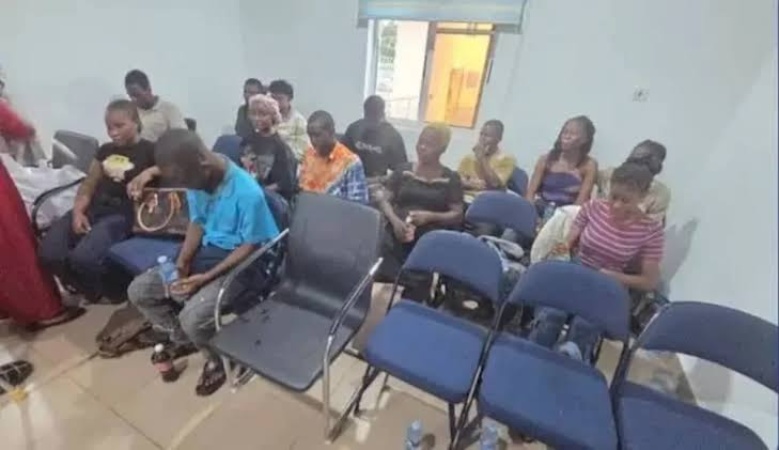
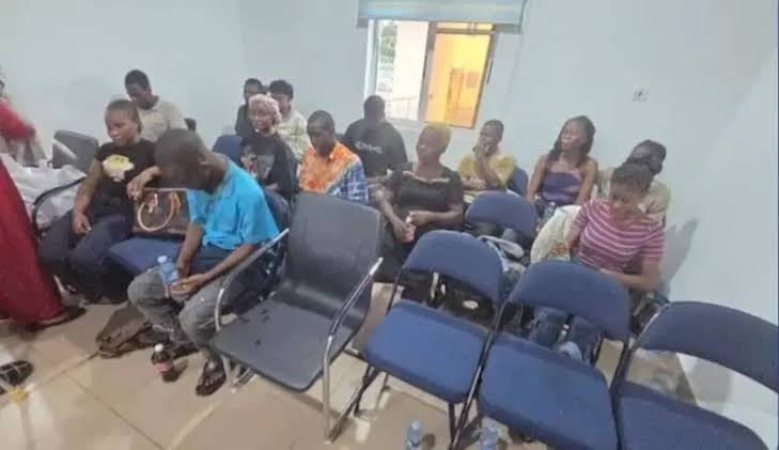
The arrested South African suspects
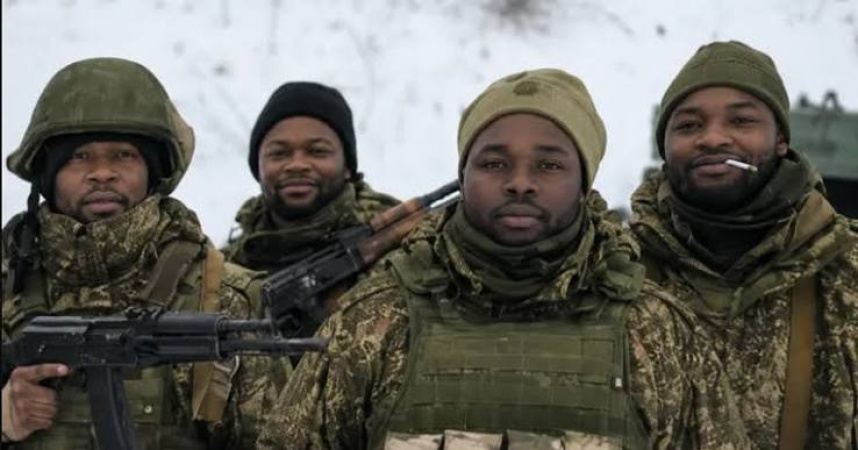
South Africa is emerging as a transit point in recruitment operations drawing African nationals into Russia’s war against Ukraine, after six Zimbabweans pleaded guilty to planning to travel through the country to join the Russian military.
The six men – Soul Magaya, Stembiso Mlalazi, Prince Calvin Tinarwo, Tatenda Muchete, Brighton Muripa, and Victor Shoshore – were arrested in South Africa on July 21 and pleaded guilty on Friday, October 9, to planning to use the country as a transit point on their journey to Russia to join its military, News24 reported.
Four allegedly expected a $25,000 sign-on bonus and monthly salaries of $2,500, while the other two helped arrange their travel. The men had been in contact with a Russian recruitment agent
The men had been in contact with a Russian recruitment agent, according to the report. They will each received a five-year prison sentence, wholly suspended for five years, under a plea and sentence agreement reached by the state and defence counsel.
They will avoid jail time provided they do not commit a similar offence during the suspension period, including violating South Africa’s Regulation of Foreign Military Assistance Act, which prohibits unauthorised foreign military assistance.
The case adds to scrutiny of South Africa’s role in recruitment routes linking African job seekers to the conflict, including a separate investigation involving the daughter of former president Jacob Zuma.
Zuma’s daughter investigated as African governments respond
Recall Duduzile Zuma-Sambudla, Ex-president Zuma's daughter, was investigated in November last year over allegations that she helped recruit 17 South African men who were promised security training in Russia but allegedly ended up fighting in Ukraine.
The allegations emerged after her half-sister, Nkosazana Bonganini Zuma-Mncube, filed an affidavit accusing her and two others of luring the men abroad.
The men reportedly believed they would receive a year of training before returning to South Africa. Instead, the affidavit alleged, they were handed over to a Russian mercenary group and sent to the front lines.
Zuma-Sambudla denied wrongdoing and said she had been deceived. She resigned as a lawmaker in November 2025 as the allegations came to light. Police investigations into her alleged role were ongoing in subsequent reporting, and she had not been formally charged in that recruitment case.
The cases are part of a wider pattern across Africa. An investigation published by the Institute for Security Studies on October 6 identified 289 digital assets allegedly used to attract recruits through misleading job advertisements, forged endorsements and promises of generous benefits.
African governments step up responses to recruitment
The case comes as several African governments pursue diplomatic action, investigations and public warnings over reports that their citizens are being recruited to fight in Russia’s war against Ukraine, sometimes under promises of civilian employment.
Ghana has raised recruitment concerns with Russian officials, while Kenya has sought the return of citizens captured while fighting for Russia.
Botswana has also warned citizens about deceptive recruitment schemes and said it helped stop and return nationals intercepted at airports.
Zimbabwe, meanwhile, has pursued alleged recruiters at home. In June, police arrested a man accused of recruiting five people to join the Russian army, in a case involving a planned journey through South Africa.
The six Zimbabweans’ guilty pleas reveal how recruitment networks can use cross-border travel and intermediaries to move prospective recruits towards Russia’s military.
Their case also highlights the challenge facing African governments as they seek to prevent deceptive recruitment and bring citizens caught up in the war home. (Business Insider Africa)