Updating your news feed...
NEWS EXPRESS is Nigeria’s leading online newspaper. Published by Africa’s international award-winning journalist, Mr. Isaac Umunna, NEWS EXPRESS is Nigeria’s first truly professional online daily newspaper. It is published from Lagos, Nigeria’s economic and media hub, and has a provision for occasional special print editions. Thanks to our vast network of sources and dedicated team of professional journalists and contributors spread across Nigeria and overseas, NEWS EXPRESS has become synonymous with newsbreaks and exclusive stories from around the world.







Loading banners
Loading banners...

Female Genital Mutilation
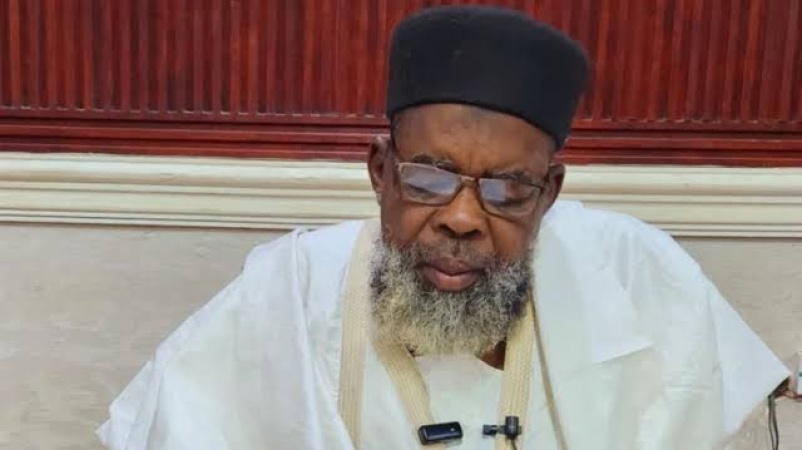
The Och’Idoma and Paramount Ruler of Idoma Kingdom, His Royal Majesty Agaba’Idu Dr. Elaigwu Odogbo John has declared that harmful gender and cultural practices, including child marriage, female genital mutilation, degrading widowhood rites and domestic violence, must be reformed or discontinued.
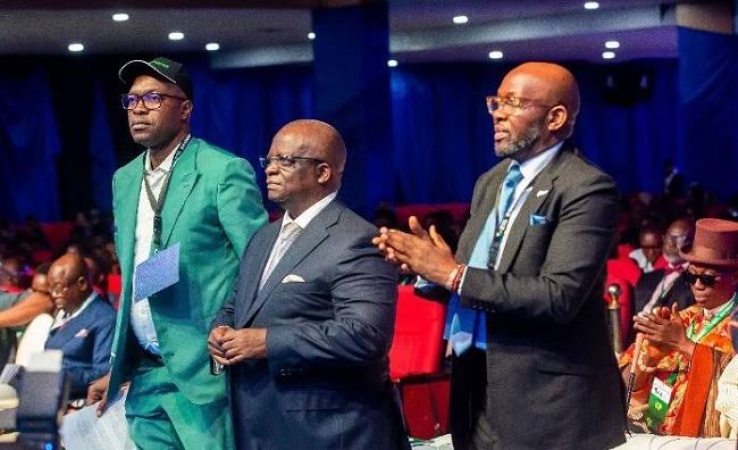
The monarch made the declaration in a royal message on harmful gender and cultural norms at the Fathers4Equality Recognition Awards and Traditional Leaders Conference 2026 in Abuja, stressing that culture must serve human dignity, justice and the common good.
The Och’Idoma identified 25 practices and beliefs requiring critical examination and change, including the belief in male superiority, exclusion of women from leadership, unequal inheritance based on gender, forced marriage and discriminatory expectations around masculinity and fatherhood.
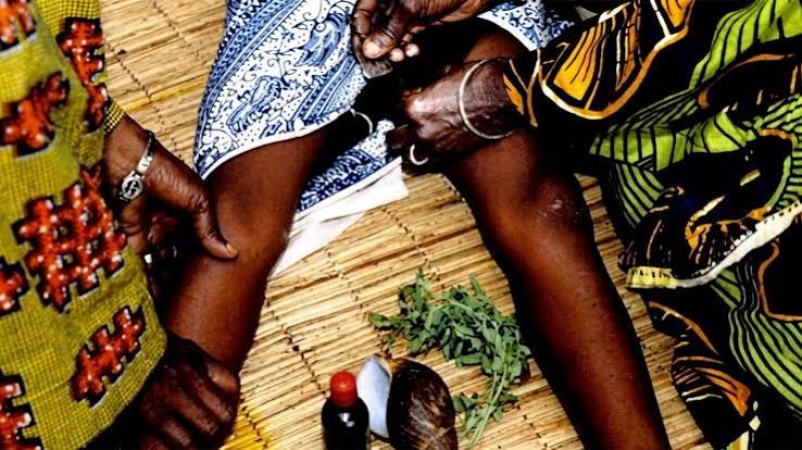
He specifically called for an end to child marriage, warning that the practice could interrupt girls’ education, expose them to violence and early pregnancy, and limit their future economic opportunities. He also condemned female genital mutilation or cutting, noting that its justification through beliefs about purity, marriageability or social acceptance could have serious physical and psychological consequences.
On widowhood, the traditional ruler said bereavement should never become an excuse to degrade a person’s dignity or violate their rights. He listed forced mourning, restrictions on movement, degrading rituals and pressure to undergo particular rites among practices that should be examined and reformed where they undermine human dignity.
The monarch also rejected the blaming of widows for the deaths of their husbands, warning that such accusations could expose vulnerable women to stigma, discrimination, violence and dispossession. He urged families to stop pressuring women to remain in violent relationships “for the sake of the children,” noting that children who witness violence can themselves be harmed.
On marriage, the Och’Idoma called for respect, cooperation and meaningful consent, rejecting forced or coerced marriage and the expectation that women must always submit to their husbands, particularly in abusive relationships.
He also warned that domestic violence should not be treated as a family matter because doing so could discourage victims from seeking protection while shielding perpetrators from accountability.
He made a distinction between bride price and ownership, declaring that cultural marriage payments must never be interpreted as giving a husband or his family ownership of a woman. “Marriage creates a family relationship; it does not transfer ownership of a human being,” the royal declaration stated.
The monarch further challenged customary attitudes that deny married women the right to own property and called for an end to unequal inheritance practices that deny women or daughters family property solely because of their gender. He also criticised preference for sons over daughters in education, healthcare, inheritance and leadership opportunities.
He rejected the notion that cooking, cleaning and childcare are exclusively women’s responsibilities, urging families to promote shared responsibility. He said boys should also be taught to cook, clean and care for children, while fathers should not be mocked for actively participating in raising their children.
The Och’Idoma equally challenged expectations that men must prove masculinity through toughness, aggression, fighting, drinking or sexual conquest. He urged families not to discourage boys from expressing emotions or asking for help, and condemned double standards under which boys are excused for behaviour for which girls are punished.
Grouping the identified practices into five broad categories—power and authority; marriage and family; economic rights; masculinity and fatherhood; and cultural practices and social silence—the monarch said the most fundamental harmful norm was the assertion that a cultural practice could not be questioned simply because it was described as tradition.
“As a Traditional Institution, we affirm that culture is living and must continually be guided by dignity, justice, peace, child protection and the common good,” he said, adding that traditional authority should serve as a force for protection, reconciliation, responsible leadership and the wellbeing of every member of society.
Also speaking, the Director, Legal Services and Enforcement Department of the National Human Rights Commission, Rabi A. Anwar, called for a deliberate redefinition of fatherhood to promote gender equality and prevent gender-based violence, noting her father, who had 15 daughters and 11 sons, ensured that all his children received equal opportunities, adding that all 15 daughters became graduates.
The Executive Director of the African Centre for Leadership, Strategy and Development (Centre LSD), Mr. Monday Osasah, urged Nigerian men and fathers to redefine masculinity and fatherhood around equality, dignity and justice.
He said traditional institutions could become forces for gender justice, citing the abolition of the “Money Woman” practice in Becheve Kingdom, Cross River State, and urging participants to turn the conference’s commitments into sustained action in homes and communities. (The Guardian)