 ADAD
ADAD
Updating your news feed...
NEWS EXPRESS is Nigeria’s leading online newspaper. Published by Africa’s international award-winning journalist, Mr. Isaac Umunna, NEWS EXPRESS is Nigeria’s first truly professional online daily newspaper. It is published from Lagos, Nigeria’s economic and media hub, and has a provision for occasional special print editions. Thanks to our vast network of sources and dedicated team of professional journalists and contributors spread across Nigeria and overseas, NEWS EXPRESS has become synonymous with newsbreaks and exclusive stories from around the world.





.webp)



.webp)






.webp)

Loading banners
Loading banners...

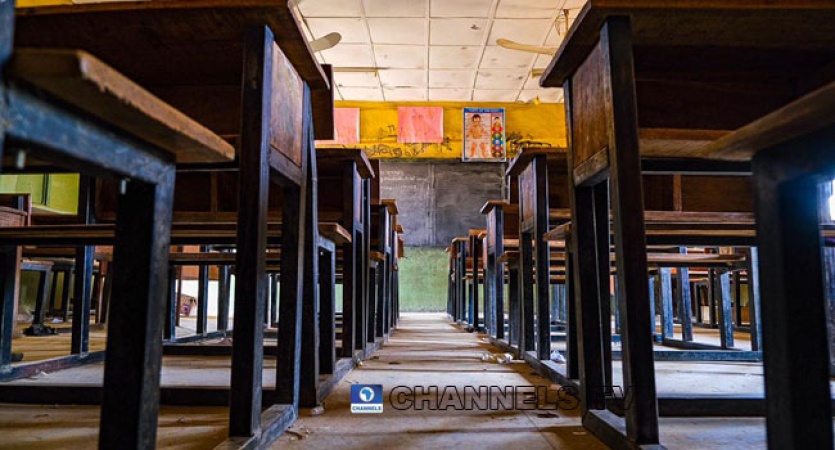
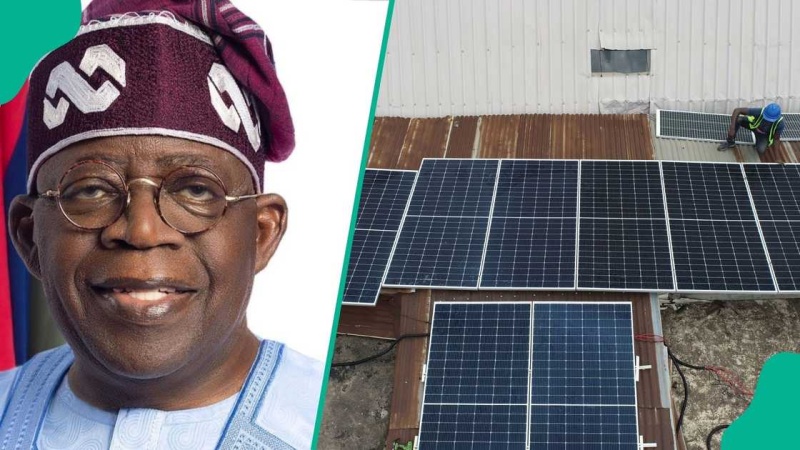
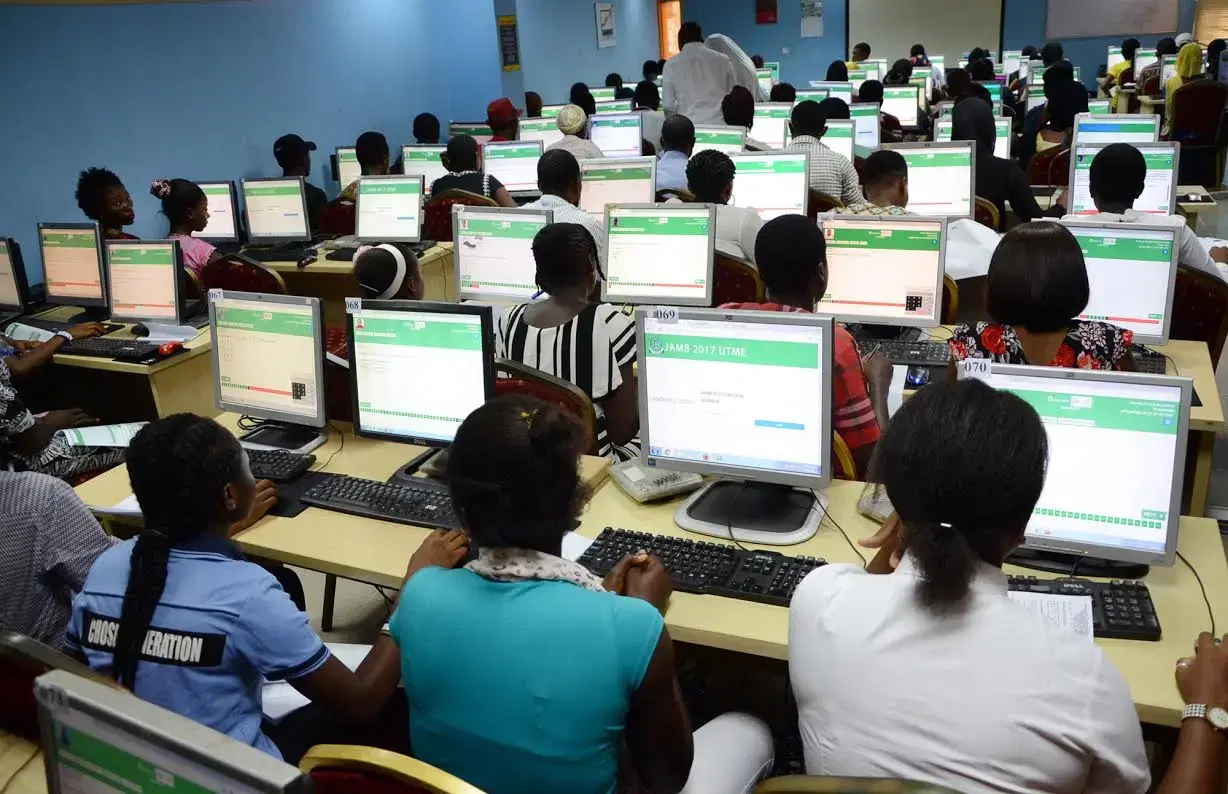
As part of efforts to tackle persistent power outages, rising electricity costs and declining learning conditions in tertiary institutions, the Federal Government is moving to take Nigerian universities off the national grid and transition them to dedicated solar mini-grids.
The Minister of Education, Dr. Maruf Tunji Alausa, disclosed this during an interview on the Afropolitan Podcast, saying the initiative would provide universities with reliable and sustainable electricity for teaching, research, student accommodation and healthcare services.
The solar solutions are being deployed under the Energising Education Programme (EEP), implemented by the Rural Electrification Agency (REA).
Alausa said unreliable electricity had for years undermined academic activities, disrupted scientific research and imposed huge financial pressures on university administrators, who often rely on diesel generators to keep campuses running.
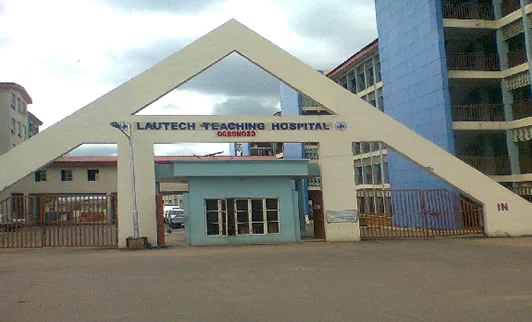
“We are taking our campuses off the national grid with dedicated solar power. You cannot build a modern university system where students cannot read at night, laboratories lose power in the middle of experiments, and hospitals attached to our universities are forced to run on noisy, expensive diesel generators,” he said.
The minister said the shift to dedicated renewable energy systems would also ease the burden of electricity bills on universities, allowing institutions to redirect resources towards academic infrastructure, equipment and research.
“The burden of electricity tariffs has been one of the heaviest strains on university finances. Instead of universities sinking hundreds of millions into electricity bills every single month, funds that should be expanding faculties or buying equipment, we are solving this structurally with clean, captive energy that operates around the clock,” he said.
He said reliable power supply was critical to the Federal Government’s human capital development agenda, stressing that universities must have the infrastructure required to compete globally in research, innovation and knowledge production.
Alausa, however, said the government was also addressing the sustainability of the solar infrastructure to prevent the projects from deteriorating after commissioning.
According to him, the government has established the Renewable Energy Asset Management Company as a special-purpose vehicle to manage and maintain the mini-grids deployed across educational institutions.
“As Minister, I don’t just want to leave projects that will deteriorate after two years; we are aiming for sustainability that will last beyond my tenure,” he said. (The Sun)



