 ADAD
ADAD
Updating your news feed...
NEWS EXPRESS is Nigeria’s leading online newspaper. Published by Africa’s international award-winning journalist, Mr. Isaac Umunna, NEWS EXPRESS is Nigeria’s first truly professional online daily newspaper. It is published from Lagos, Nigeria’s economic and media hub, and has a provision for occasional special print editions. Thanks to our vast network of sources and dedicated team of professional journalists and contributors spread across Nigeria and overseas, NEWS EXPRESS has become synonymous with newsbreaks and exclusive stories from around the world.





Loading banners
Loading banners...

Survivors of the Sharpeville massacre in South Africa have begun a legal battle to overturn an apartheid-era law that has prevented those responsible for the killings from being prosecuted.
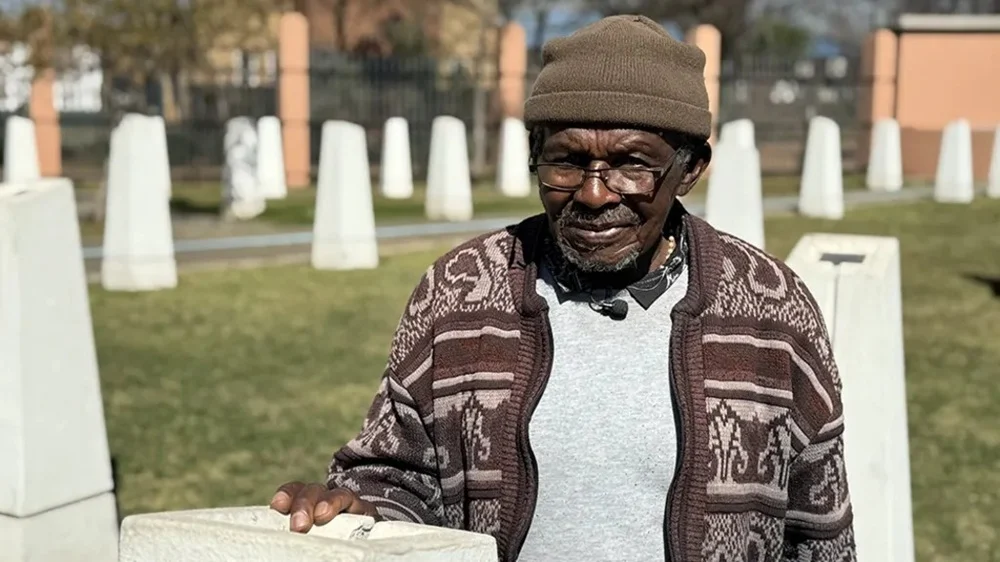
Abraham Mofokeng, who was 20 when he joined the peaceful protest in 1960, is among those involved in the case. Now 86, he still has a bullet lodged in his spine and walks with a limp after being shot in the leg.
The protest took place on 21 March 1960 in Sharpeville, south of Johannesburg, as thousands of black South Africans demonstrated against apartheid-era pass laws. Police opened fire on the crowd, killing at least 69 people and injuring more than 200.
Mofokeng said protesters had gathered because the passbook system severely restricted the movement and freedom of black people. Demonstrators planned to march to a police station and protest against the laws.
He recalled that police were armed with rifles, machetes and shields before the situation escalated and officers began shooting at the protesters.
Another survivor, 90-year-old Lazarus Magotsi, said he watched from a shop as people tried to flee the shooting. He told the BBC that some people who attempted to get up from the ground were shot by police.
More than 1,300 bullets are thought to have been fired into the crowd. Recent research by South African academics has suggested that the number of people killed could have been as high as 91.
The massacre became a major turning point in the struggle against apartheid and exposed the violence of South Africa’s white-minority government to the international community.
However, those responsible were never prosecuted. The apartheid government passed the 1961 Indemnity Act, which protected police and government officials from criminal charges and civil claims relating to the massacre.
More than three decades after apartheid ended and South Africa held its first democratic elections in 1994, the law remains on the country’s statute books.
Lawyers for Human Rights and UK-based law firm Leigh Day have now filed a case at the High Court, arguing that the Indemnity Act is unconstitutional under South Africa’s post-apartheid constitution.
The lawyers are also seeking certification for a class action, which could allow dozens of survivors and relatives of those killed to collectively sue the state. If successful, the case could also potentially allow criminal proceedings against alleged perpetrators who are still alive.
The survivors say they want compensation and other forms of reparations to help them deal with the long-term effects of the massacre.
The case comes after the Truth and Reconciliation Commission, established by Nelson Mandela’s government, investigated crimes committed during apartheid. Although the commission was widely praised for bringing victims and perpetrators together, it was criticised because many perpetrators were not imprisoned.
South Africa’s government said it had supported victims of apartheid-era violence and would continue to do so. It said it did not oppose survivors and relatives pursuing legal remedies.
The government also said that 560 victims recognised by the Truth and Reconciliation Commission had received individual grants totalling about $31m, although not all Sharpeville survivors and relatives had been identified.
For survivors such as Mofokeng, overturning the old law could provide an opportunity for long-awaited justice and help heal the wounds left by the massacre.
“Apartheid is dead and buried,” he said, adding that a legal victory could bring healing not only to survivors but also to future generations. (Tribune)



