ADAD
ADADUpdating your news feed...

NEWS EXPRESS is Nigeria’s leading online newspaper. Published by Africa’s international award-winning journalist, Mr. Isaac Umunna, NEWS EXPRESS is Nigeria’s first truly professional online daily newspaper. It is published from Lagos, Nigeria’s economic and media hub, and has a provision for occasional special print editions. Thanks to our vast network of sources and dedicated team of professional journalists and contributors spread across Nigeria and overseas, NEWS EXPRESS has become synonymous with newsbreaks and exclusive stories from around the world.
.webp)
.webp)




.webp)
Loading banners
Loading banners...

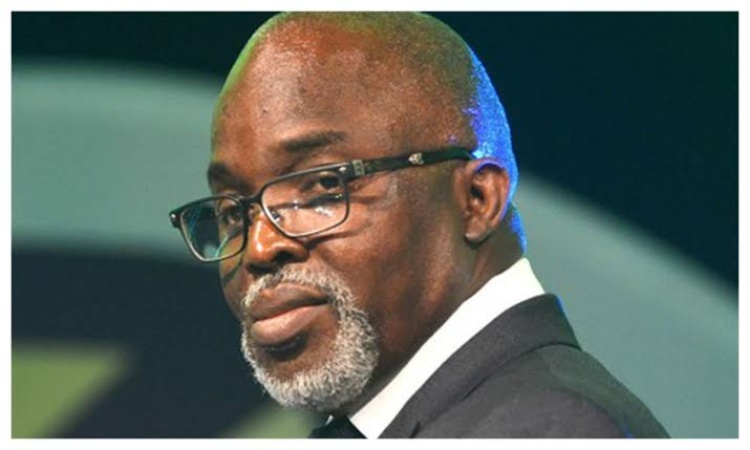
Former President of the Nigeria Football Federation, Amaju Pinnick
Former Nigeria Football Federation president, Amaju Pinnick, has rejected claims that his board contributed to the decline of the late Super Eagles coach, Stephen Keshi, insisting that there was nothing for which he needed to apologise to the former Nigeria captain.
Pinnick made the remarks in the latest episode of “The Pinnick Tapes” (REMASTERED): NFF Scandals Exposed, published on Sunday Oliseh’s YouTube channel, Global Football Insights With Oliseh on Friday.
Pinnick was responding to a question on whether he believed the NFF’s relationship with Keshi during the latter years of his tenure contributed to the decline of the Super Eagles’ golden era.
Keshi led Nigeria to victory at the 2013 Africa Cup of Nations and guided the country to the 2014 World Cup in Brazil.
Asked what he would apologise to Keshi for if he had the opportunity to sit with the late coach today, Pinnick said he had nothing to apologise for.
“There’s no way I would have apologised to Keshi. Keshi, God rest his soul, he was an icon,” Pinnick said.
He maintained that his relationship with Keshi remained cordial until the former coach’s death in 2016.
“We had a very warm relationship until he passed, and when he passed, we were the first people that went,” he said.
Pinnick also rejected suggestions that his administration deliberately worked against Keshi, saying decisions concerning the coach were based on reports available to the federation.
“But there’s no way I would have apologised to Keshi because we didn’t do anything wrong. We did what we did based on report,” he said.
The former NFF president’s comments followed a question from an alleged “Big Boss loyalist” who accused Pinnick’s board of contributing to the decline of the Super Eagles after the team’s 2013 AFCON triumph.
The question also referenced the renaming of Asaba Stadium after Keshi and asked whether Pinnick would apologise for the friction that allegedly characterised the coach’s final years with the national team.
Pinnick dismissed the criticism and pointed to his continued relationship with Oliseh, who also had a troubled spell as Super Eagles coach.
Oliseh, who interviewed Pinnick, recalled that he had personally experienced some of the institutional challenges that he said had affected Keshi during his own time as coach.
The former Super Eagles coach said some of the people who made Keshi’s tenure difficult were still present when he took charge of the national team.
Pinnick, however, maintained that his administration had given technical officials room to operate, arguing that the NFF had various committees responsible for advising the executive committee.
He said he gave members of the technical committee and other bodies the freedom to contribute to football administration, provided their decisions did not go against the national interest.
Pinnick’s comments come amid renewed debate over the administration of Nigerian football and the treatment of indigenous coaches, with Oliseh also questioning why former Super Eagles players such as Emmanuel Amunike have struggled to secure sustained opportunities with the national team.
Keshi, who died in 2016 aged 54, remains one of the most decorated figures in Nigerian football and was the first African coach to win the Africa Cup of Nations both as a player and coach. (Saturday PUNCH)