ADAD
ADAD
Updating your news feed...
NEWS EXPRESS is Nigeria’s leading online newspaper. Published by Africa’s international award-winning journalist, Mr. Isaac Umunna, NEWS EXPRESS is Nigeria’s first truly professional online daily newspaper. It is published from Lagos, Nigeria’s economic and media hub, and has a provision for occasional special print editions. Thanks to our vast network of sources and dedicated team of professional journalists and contributors spread across Nigeria and overseas, NEWS EXPRESS has become synonymous with newsbreaks and exclusive stories from around the world.













Loading banners
Loading banners...

In a significant relief for Nigeria and other developing nations with heightened vulnerabilities to Internet disruptions, the international advisory body on submarine cable resilience has approved its final report, outlining a practical roadmap to protect and strengthen undersea telecommunication cables.
Report marks the completion of a two-year work programme established in 2024 by the United Nations International Telecommunication Union (UN-ITU) and the International Cable Protection Committee (ICPC).
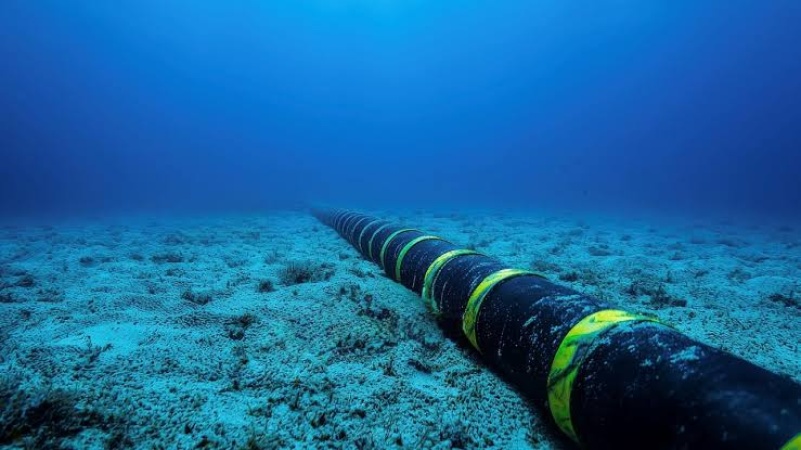
Undersea cables – the invisible infrastructure that carries over 99 per cent of global data traffic – serve as the absolute lifeline of the global digital economy, powering international finance, governance, education, healthcare, and daily digital commerce.
However, the advisory body highlighted several critical challenges threatening this network, including high exposure to physical risks and natural hazards, protracted timelines required to repair damaged cables, heavy geographical concentration of infrastructure, and a dangerous dependence by many countries on just a few cable systems.
These vulnerabilities, according to ITU, are most acute in Least Developed Countries (LDCs), Small Island Developing States (SIDS), and underserved regions like Sub-Saharan Africa, where a single cable cut can plunge entire economies into digital darkness.
To counter these threats, the final report refines specific recommendations across three core pillars: speeding up deployment and repairs; improving risk monitoring; and fostering geographical diversity in cable routes.
The report urges governments and industry stakeholders to prioritise the following actions: Streamlining Regulation: Cutting bureaucratic red tape to accelerate permitting processes for cable deployment and emergency repairs;
“Boosting Redundancy: Intentionally creating route diversity so countries are not reliant on a single maritime corridor; and “Stronger Public-Private Coordination: Enhancing communication between governments and the private telecom industry to monitor risks and improve rapid response capabilities.
The last is “Climate Integration: Factoring environmental changes and climate risks into future undersea cable planning.
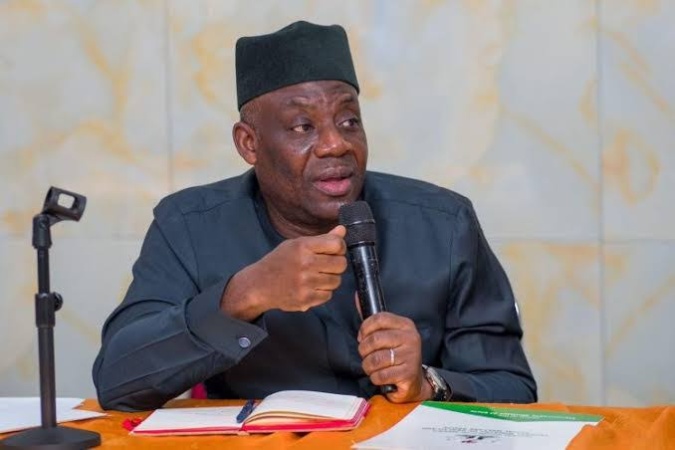
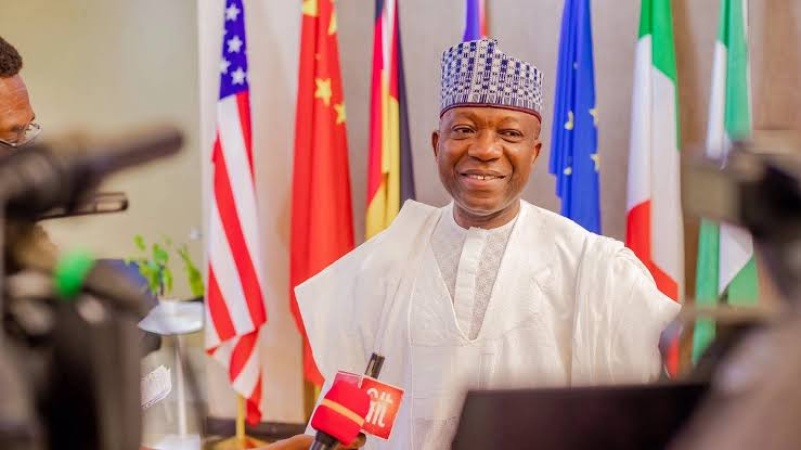
Nigeria’s Minister of Communications, Innovation and Digital Economy, Dr Bosun Tijani, who served as co-chair of the advisory body, emphasised the milestone’s importance for regional stability. According to him, “submarine cables are the invisible infrastructure that powers our connected world.
“The recommendations adopted represent an important milestone in strengthening the resilience of this critical infrastructure through greater international cooperation, practical policy guidance, and shared responsibility.”
Also, ITU Secretary-General Doreen Bogdan-Martin praised the collective effort, noting that the world now possesses a “practical roadmap to keep undersea networks reliable.”
Reflecting on the initiative’s evolution, the Co-Chair of the Advisory Body and Chairwoman of Portugal’s ANACOM, Sandra Maximiano, noted that “what began two years ago as a debate has grown into a global movement. Our legacy will be measured by the resilience the adopted recommendations help build into the world’s digital infrastructure for decades to come.”
The advisory body’s two-year journey included pivotal global summits, notably held in Abuja, Nigeria, in 2025 and Porto, Portugal, earlier this year, cementing a unified international commitment to securing the global Internet.
Meanwhile, data extracted from the website of the Nigerian Communications Commission (NCC) showed there were fibre cuts in Lagos (Amuwo-Odofin, Mushin, Oshodi-Isolo), which affected data services yesterday in the said areas. The cuts were reported on the fibre infrastructure of one of the leading Internet Service Providers.
The live incident report also showed that there was a fibre cut in FCT (Abuja Municipal Area Council), which equally affected data services in the region. (The Guardian)