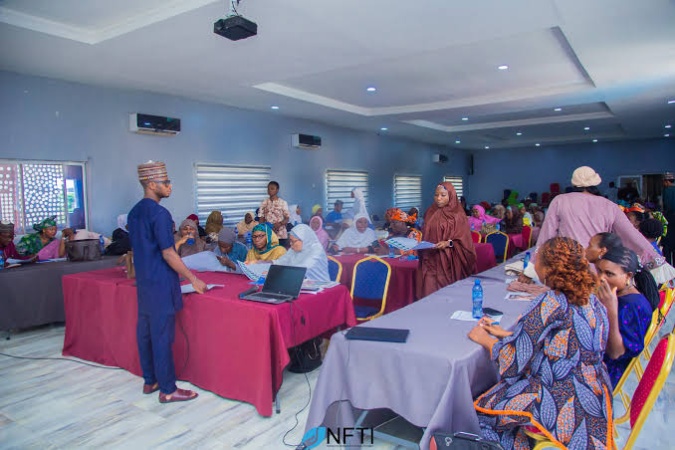
The group spoke at the end of a workshop titled ‘Promoting Inclusive and Peaceful Society for Suitable Development in the Niger Delta: A Roundtable for Women Leaders’, held October 25, at Warri, Delta State. The women leaders drawn from Akwa Ibom, Bayelsa, Cross River, Delta, Edo and Rivers State identified key issues driving militancy in the region to include “Degradation of the environment from oil extraction activities with adverse effects on the lives and health of the people in the region, especially women.”
A statement signed by National Network Coordinator of the group, Bridget Osakwe, also said the challenges with primary education in the riverine communities contribute to insecurity in the region and pose a threat to positive youth development.
The women also declared: “The ‘reward’ for militancy encourages the proliferation of militant groups in the region as a means to access opportunities.
“Sexual violence especially dollar point rape is breeding a generation of young people with limited ties to the community and sufficient grievance to take to crime and vandalism.
“The lucrative nature of militancy and associated activities as source of income for sustaining poor family.”
The women also identified unemployed and unemployable youths as a ready harvest for militant groups while proliferation of small arms in the region is also a contributory factor.
They observed that attempt by the Nigerian government to scrap the amnesty programme, and perceived persecution of Niger Deltans in Federal government employment as well as availability of conflict entrepreneurs including the military, politicians, traditional leaders as some of the problems fueling crisis in the region.
Similarly, they decried infrastructural decay in the region, pointing out that masculinity of the militancy without recourse to women participation constitutes a problem.
Low participation and contribution of women to peace processes at the community, state and regional level in the Niger Delta; and herdsmen attacks on farming communities reduce farmers’ productivity and increases vulnerability to militancy are also some of the issues raised by the women leaders.
It was also observed that policies exist on the Niger Delta to address the issues raised in the foregoing. However, these policies failed due to lack of political will to implement. The women also prioritised relevant policies like the Niger Delta Development Master Plan and the Leedum Mitee Technical Committee Report as containing relevant gender sensitive instruments for addressing issues of peace, security and development in the Niger Delta region.
The Roundtable also noted that women bear the brunt of militancy, insecurity and underdevelopment in the region. Furthermore, women are inclined peacebuilders, yet, are insignificant in the formal peace processes at the community, state and regional levels.
To promote inclusive and peaceful society for sustainable development in the Niger Delta region, the roundtable recommended: “Implementation of the Niger Delta Development Master Plan and the Ledum Mitee Technical Committee Report on the Niger Delta for community sensitisation.
“Ministries of Women Affairs in the Niger Delta develop State Action Plan on the implementation of UNSCR 1325, and its’ inclusion in the state budget.
“Women should engage the SDG offices in the region for full implementation of the SDG especially Goals 5 and 16.
“Regularisation of national policies governing natural resources extraction like the oil/gas and solid minerals policies should be governed by same regulations.
“Inclusion of 50 per cent women in all governance structures from community to national level including the on-going Niger Delta discussions/negotiations with the federal government.
“Government should speed up the Ogoni UNEP Clean Up and extend the clean-up to all oil devastated areas in the Niger Delta region.
“Commensurate incentive for teachers in hard-to-reach communities to promote the attainment of universal basic education targets.
“The ‘Sit at home and collect’ workers syndrome in the Niger Delta should be discouraged, as it deprives the youths the opportunity to build their career and contribute meaningfully to their society.
“Government to create an enabling environment for modular refinery as an alternative to illegal refinery and economic development in the region.”
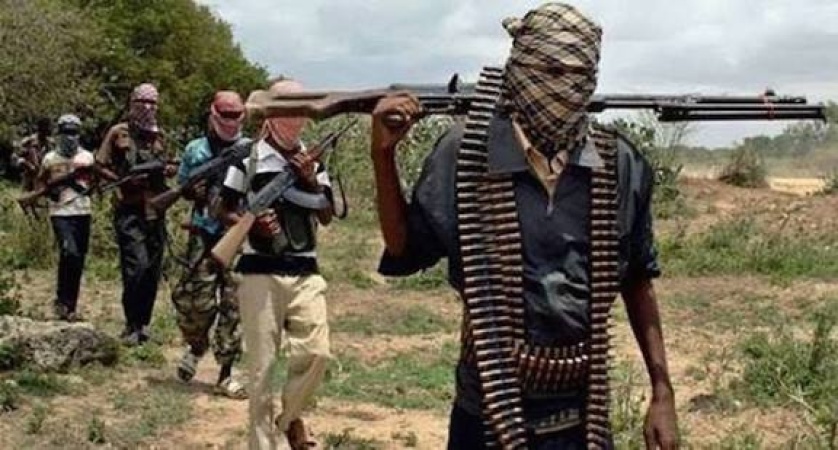
•Photo shows Niger Delta militants.
 AD
AD