ADAD
ADAD
Updating your news feed...
NEWS EXPRESS is Nigeria’s leading online newspaper. Published by Africa’s international award-winning journalist, Mr. Isaac Umunna, NEWS EXPRESS is Nigeria’s first truly professional online daily newspaper. It is published from Lagos, Nigeria’s economic and media hub, and has a provision for occasional special print editions. Thanks to our vast network of sources and dedicated team of professional journalists and contributors spread across Nigeria and overseas, NEWS EXPRESS has become synonymous with newsbreaks and exclusive stories from around the world.
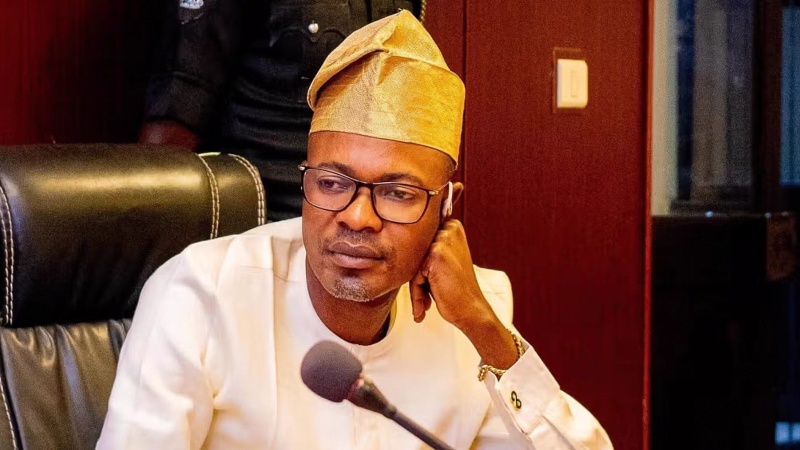


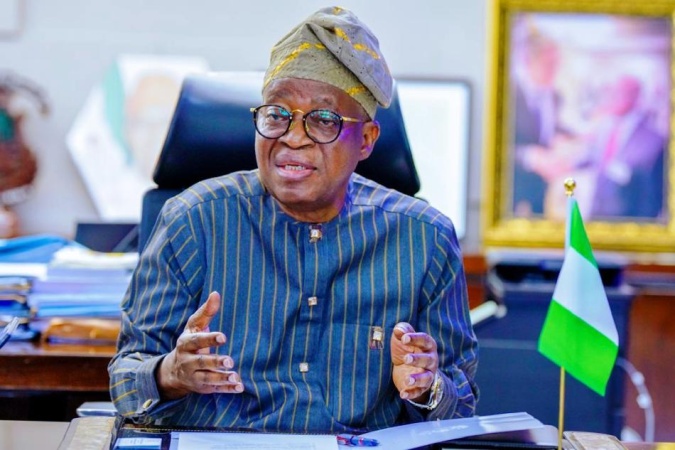










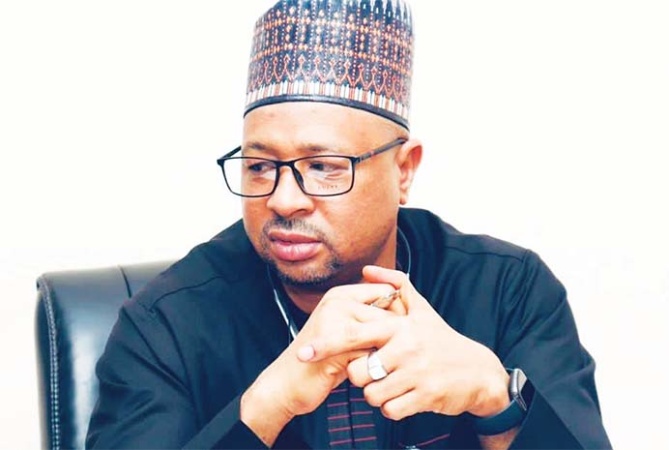
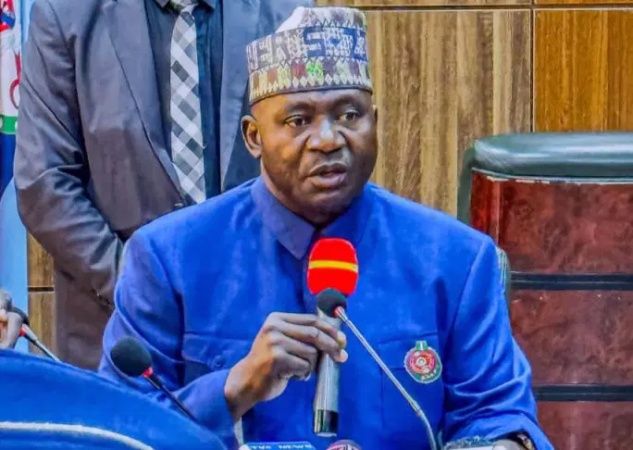






Minister of Science, Technology and Innovation, Ude
The Minister of Science, Technology and Innovation, Kingsley Ude, on Thursday, said the economic returns on research investments in Nigerian universities, polytechnics and other research institutes remain below expectations despite what he described as appreciable investment in research and development.
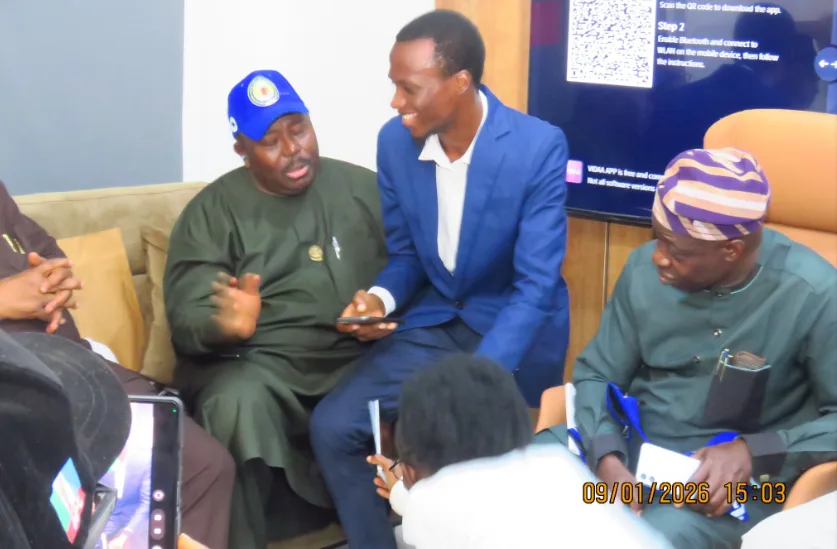
Ude made this known in Abuja during a strategic meeting on the commercialisation of scientific research outcomes with commissioners of science, technology and innovation from across the country.
The minister noted that the meeting with the commissioners was coming at a critical time in Nigeria’s efforts to move towards effective commercialisation of research outputs.
“This meeting is both timely and necessary. It is a known fact that Nigeria is one of the countries in Africa that has invested to an appreciable extent in research and development across our universities, polytechnics and research institutes. Yet, the economic returns on these investments remain below expectations.
“Too many valuable research outputs remain on laboratory shelves, in technical reports, or in academic journals without translating into products, services or enterprises that can transform lives.
“Distinguished ladies and gentlemen, all over the world, economic power is increasingly defined not by natural resources alone, but by the ability to convert knowledge into value. Countries that have mastered research commercialisation have built strong industrial bases, competitive technology sectors and resilient economies.
“Globally, Nigerian scientists and innovators are producing solutions in agriculture, renewable energy, biotechnology, digital technology, health sciences, manufacturing and climate resilience. However, a significant number of these researches are yet to be commercialised, resulting in unemployment, weak industrialisation and low contribution to the GDP,” he said.
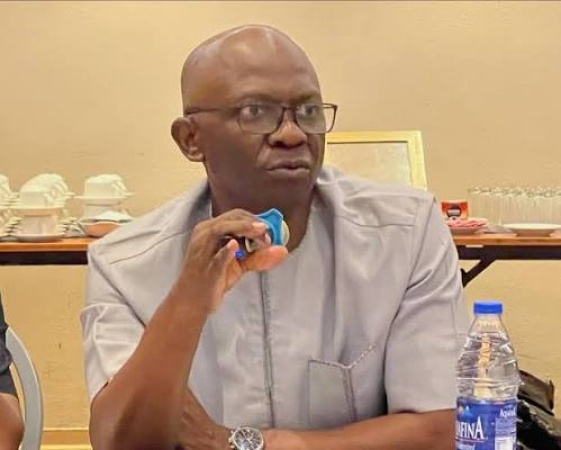
Earlier in his welcome address, the Permanent Secretary of the ministry, Mr Philip Ebiogeh, said Nigeria could no longer afford to allow research findings to gather dust on shelves.
“Nigeria cannot afford to remain a nation where research findings gather dust on shelves. We must deliberately build systems that support patenting, prototyping, incubation, venture financing, regulatory facilitation and market access.
“Commercialisation must become an integral part of our research culture. Distinguished ladies and gentlemen, the ministry is committed to providing policy leadership, enabling frameworks and institutional support to drive the Renewed Hope Agenda of this administration.
“However, true success will depend on strong ownership at the state level. We must work together to create innovation clusters, strengthen technology incubation centres and incentivise private sector participation in research commercialisation.
“At this juncture, let me assure you that the honourable minister is prepared to drive this process. I urge us all to engage in frank, solution-driven discussions during the course of this meeting. Let us move beyond identifying challenges and focus on practical, implementable actions with measurable outcomes,” he said.
The Federal Government is pushing to commercialise research outputs to boost innovation and economic growth.
As part of the initiative, the government has launched the National Research to Commercialisation Policy, allocating N2bn for the Research, Innovation and Commercialisation Committee and N3bn for programme operations in 2026. (The Guardian)