 ADAD
ADAD
Updating your news feed...
NEWS EXPRESS is Nigeria’s leading online newspaper. Published by Africa’s international award-winning journalist, Mr. Isaac Umunna, NEWS EXPRESS is Nigeria’s first truly professional online daily newspaper. It is published from Lagos, Nigeria’s economic and media hub, and has a provision for occasional special print editions. Thanks to our vast network of sources and dedicated team of professional journalists and contributors spread across Nigeria and overseas, NEWS EXPRESS has become synonymous with newsbreaks and exclusive stories from around the world.





















Loading banners
Loading banners...

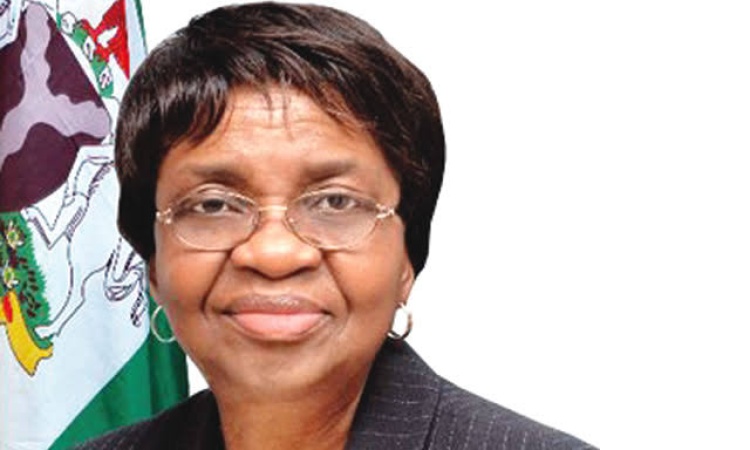
NAFDAC DG, Prof Adeyeye
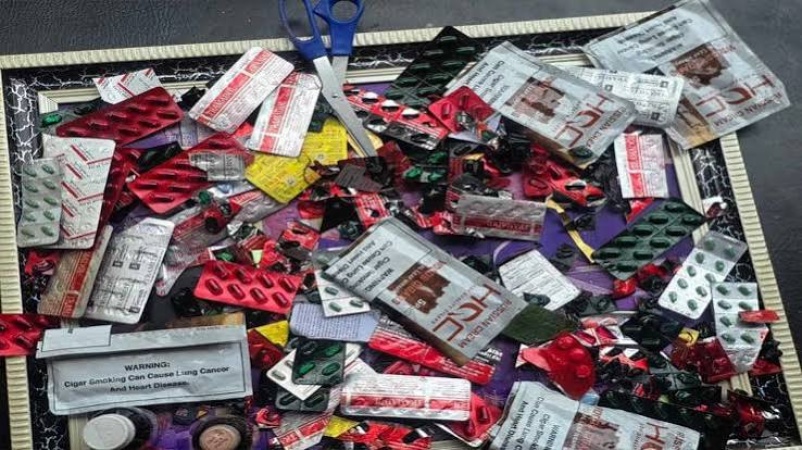
The National Agency for Food, Drug Administration and Control (NAFDAC) and National Orientation Agency (NOA), have launched a nationwide behavioural change campaign to enforce the ban on sachet alcohol across the 36 states and the Federal Capital Territory (FCT).
NOA said the move was aimed at protecting children and other vulnerable groups from the harmful effects of alcohol packaged in small, easily concealable containers.
Speaking at a joint press conference in Abuja on Tuesday, Director-General of NOA, Mallam Lanre Issa-Onilu, said the campaign was not about restriction “for its own sake” but about safeguarding the future of young Nigerians.
“For too long, sachet alcohol has been dangerously accessible. It is inexpensive, portable and easy to conceal,” he said.
Issa-Onilu warned that in many rural and semi-urban communities, young persons found it easier to obtain high-strength alcohol than to access proper guidance and protection.
“When affordability meets vulnerability, the consequences are profound,” he added.
According to him, early exposure to alcohol increases the risk of addiction and long-term dependency, undermines education, and contributes to domestic instability, road crashes and declining productivity.
He stressed that government had both a constitutional duty and moral obligation to act before the damage became entrenched.
The NOA boss disclosed that the agency would deploy its 818 offices and structures across all 774 local government areas to drive the campaign.
He said town hall meetings, market outreaches, engagements in motor parks, schools and faith-based institutions would form part of the strategy, with messages delivered in local languages.
The campaign will also leverage television, radio, digital platforms, and the NOA CLHEEAN App to encourage citizens to report violations.
Issa-Onilu called on parents, community leaders, retailers, and distributors to support the enforcement, urging Nigerians to shun banned products.
Also speaking, Director-General of NAFDAC, Professor Mojisola Adeyeye, said alcohol consumption among underage persons posed serious behavioural and social risks.
Adeyeye linked excessive alcohol intake to road crashes, risky sexual behaviour, poor academic performance, and other social challenges.
She said recent resolutions of Senate urged NAFDAC to ensure strict enforcement of the ban on sachet alcohol and alcoholic drinks in bottles below 200 millilitres.
Citing findings from a 2021 nationwide survey conducted in collaboration with Distillers and Blenders Association of Nigeria, Adeyeye disclosed that 54.3 per cent of minors and underage persons purchased alcohol for themselves.
The study, which sampled 1,788 respondents across six states, representing the six geopolitical zones, revealed that 49.9 per cent of minors obtained alcohol directly from retailers selling sachet packs and small PET bottles.
Others accessed alcohol from friends and relatives (49.9 per cent), social gatherings (45.9 per cent), and even parents’ homes (21.7 per cent).
Among those who bought drinks themselves, 47.2 per cent of minors and 48.8 per cent of underage respondents purchased alcohol in sachets, while over 40 per cent procured drinks in small PET bottles.
Consumption rates were particularly high in Rivers, Lagos, and Kaduna states.
The survey further showed that 63.2 per cent of minors and 54 per cent of underage children consumed alcohol occasionally, while 2.5 per cent of minors and 11.7 per cent of underage children had engaged in binge drinking, with notable prevalence in Gombe, FCT, and Anambra.
According to the findings, peer pressure accounts for 50.5 per cent of underage drinking, while parental influence and family relations account for 34.8 per cent. Social media influence, easy accessibility of liquor outlets and alcohol advertising were also identified as major drivers.
Adeyeye warned that the consequences extended beyond immediate intoxication.
She cited global medical evidence showing that alcohol damaged the developing brain, particularly the hippocampus and prefrontal cortex, increasing risks of memory impairment, poor impulse control, depression, addiction and long-term dependency.
Youths, who began drinking before age 15, were 41 per cent more likely to become alcohol dependent, she said.
Beyond health risks, alcohol abuse had been linked to youth violence, suicide, road crashes, risky sexual behaviour, poor academic performance, and declining productivity.
The NAFDAC DG said the enforcement followed Senate resolutions of November 6, 2025, which urged the agency not to grant further extension of the moratorium on sachet alcohol and to ensure strict compliance with the ban on alcohol in sachets and bottles below 200 millilitres.
Effective January 1, 2026, the federal government banned the production and sale of alcohol in sachets and in PET or glass bottles smaller than 200ml.
Director-General of NOA, who also addressed the briefing, described the move as a deliberate public health intervention aimed at reducing underage access to cheap, high-concentration alcohol.
Issa-Onilu said the Federal Ministry of Health and Social Welfare had also been urged to support the enforcement and release the National Alcohol Policy addressing small-volume packaging. (THISDAY)



