The move comes as several African countries have expressed concern that The Hague-based court has tried mostly African leaders.
Last year, South Africa said it planned to exit ICC after it faced criticism for not arresting Sudan’s President Omar al-Bashir, who is accused of genocides and war crimes, when he visited the country.
“Officials here say the ICC unfairly targets African governments and leaders,” Al Jazeera’s Haru Mutasa, reporting from Johannesburg, said.
Mutasa said that government began the process of withdrawing from the ICC last year after civil society groups dragged the government to court over its decision to let Bashir go.
A UN spokesman declined to confirm receipt of the document, which is dated October 19 and signed by Maite Nkoana-Mashabane, South Africa’s minister of international relations and cooperation.
“The Republic of South Africa has found that its obligations with respect to the peaceful resolution of conflicts at times are incompatible with the interpretation given by the International Criminal Court,” according to the document.
The South African mission to the United Nations was not immediately available to comment on the document.
“The Republic of South Africa is committed to fight impunity and to bring those who commit atrocities and international crimes to justice and as a founding member of the African Union promotes international human rights and the peaceful resolution of conflicts on the African continent,” the South African document said.
“In complex and multi-faceted peace negotiations and sensitive post-conflict situations, peace and justice must be viewed as complementary and not mutually exclusive.”
“This will have huge ramifications on African continent,” the Al Jazeera correspondent said.
“It has divided the African Union as a whole, some countries want to stay while some of them want to leave.
“If Africa does leave ICC, human right activists are concerned, will there be a body that will hold leaders to account if they commit human rights abuses and violations,” she said.
Al Jazeera’s Mutasa said that the opinions of ordinary Africans were also divided. “They want the ICC to broaden its reach, and perhaps target leaders from the US and Europe.”
The ICC, which opened in July 2002 and has 124 member states, is the first legal body with permanent international jurisdiction to prosecute genocide, crimes against humanity and war crimes.
Another African country, Burundi, appeared set to become the first county to withdraw from the Rome Statute, the 1998 treaty establishing the global court, after its parliament voted last week to leave.
Burundi’s President Pierre Nkurunziza signed a decree on Tuesday, but the United Nations has not yet been officially notified.
Other African countries have also threatened withdrawal, accusing the court of disproportionately bringing charges against suspected human rights abusers from the continent.
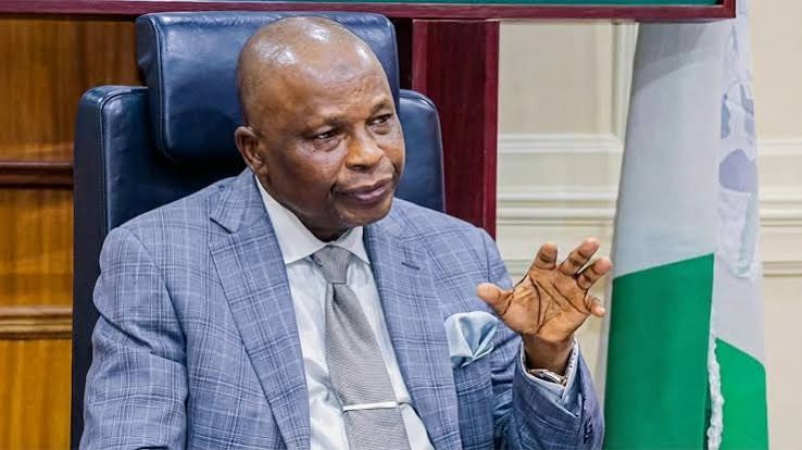
•Source: Al Jazeera News and Agencies. Photo shows South African President Jacob Zuma.
 AD
AD