Updating your news feed...
NEWS EXPRESS is Nigeria’s leading online newspaper. Published by Africa’s international award-winning journalist, Mr. Isaac Umunna, NEWS EXPRESS is Nigeria’s first truly professional online daily newspaper. It is published from Lagos, Nigeria’s economic and media hub, and has a provision for occasional special print editions. Thanks to our vast network of sources and dedicated team of professional journalists and contributors spread across Nigeria and overseas, NEWS EXPRESS has become synonymous with newsbreaks and exclusive stories from around the world.


















Loading banners
Loading banners...

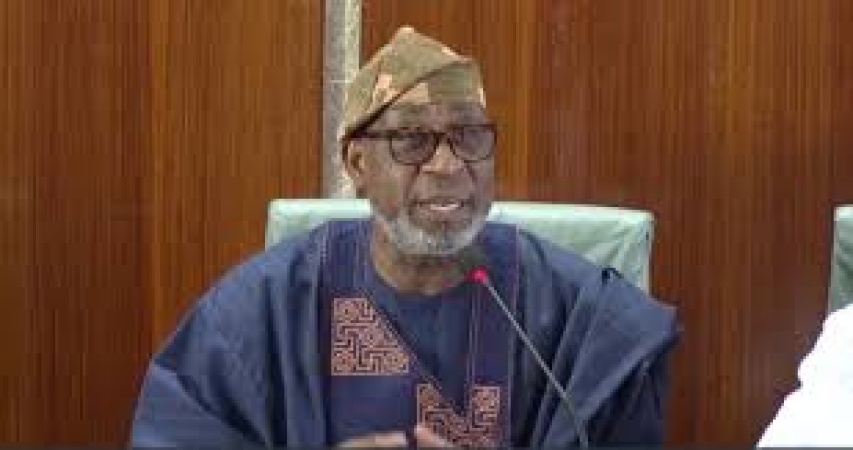
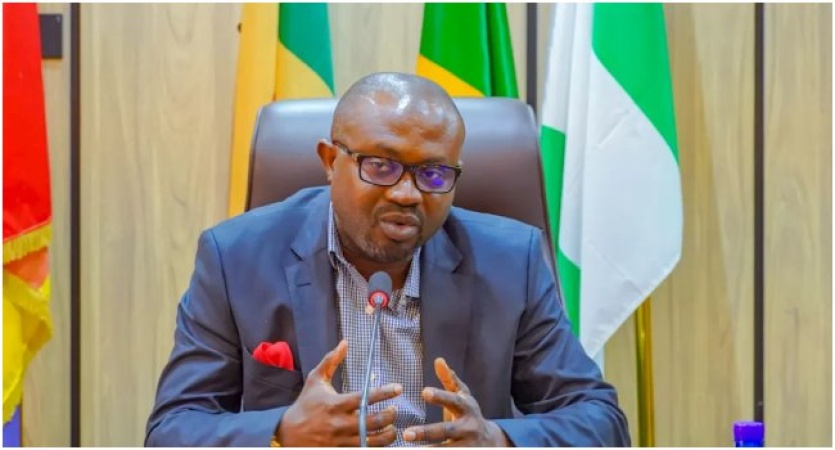
Minister of Solid Minerals Development, Dr Dele Alake
The National Assembly and the Ministry of Solid Minerals Development yesterday urged the Federal Government to make the ministry’s budget a first-line charge.
They noted that inconsistent releases, particularly zero capital funding, were undermining efforts to reposition the mining sector as a key driver of economic diversification.
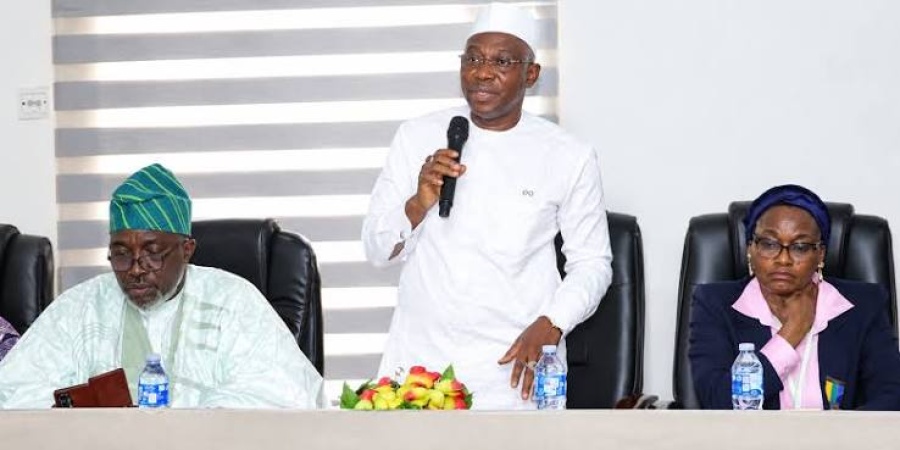
The ministry and the lawmakers spoke in Abuja when the Minister of Solid Minerals Development, Dr. Dele Alake, appeared before the Joint National Assembly Committee on Solid Minerals Development, chaired by Senator Ekong Sampson, to present the ministry’s 2024 and 2025 budget performance and defend its 2026 budget estimates.
They argued that a first-line charge status would guarantee statutory releases to the ministry, similar to priority sectors, insulating it from delays and shortfalls in treasury disbursements.
In his presentation, Alake announced that the disaggregated personnel, overhead, and capital ceilings for the ministry and its agencies stood at N165.34 billion for the 2026 fiscal year.
The minister said for the main ministry, N1.79 billion was proposed for personnel costs; N1.57 billion for overhead; and N45.54 billion for capital expenditure, totalling N48.9 billion.
He added that the remaining amount would go to the various agencies under the ministry.
Alake described this year’s proposal as a strategic pivot from “planning and potential” to “execution, production and revenue generation.”
The minister said the N156.34 billion outlay for the sector represents a critical investment to unlock solid minerals’ capacity to diversify the national economy, create jobs and significantly boost Nigeria’s GDP.
He said the allocation prioritises foundational tools such as surveillance, logistics and digital systems required to curb illegal mining, increase revenue and create an enabling environment for responsible investment.
Alake said implementation challenges have stifled the ministry’s ambitions, recalling that as of January 31, only 50 per cent of last year’s overhead allocation had been released, while capital releases for the same year stood at zero.
He said: “The zero release of the N865.06 billion for capital expenditure in fiscal year 2025 is the most critical issue.”
Despite the funding setbacks, Alake said the ministry surpassed its 2025 revenue target by 80 per cent, generating N30.23 billion as of December 31, last year.
The minister attributed the improved revenue profile to reforms in the sector, including the formalisation of artisanal miners into cooperatives and corporate entities to enhance their bankability and regulatory compliance.
“We were able to encourage them to form corporations so that they will no longer be labelled illegal miners.
“They will become formalised structures, attract financing and enable the government to demand and receive royalties, taxes and other civic obligations,” he said.
Alake also announced that 388 mineral-buying centres were established during the year under review, while artisanal miners received training and four high-risk abandoned mine sites were reclaimed.
The ministry also expanded its enterprise content management system, driving digitisation efforts that earned it recognition as the most digitised ministry in the country in the past year.
Alake said Nigeria’s improved geological data acquisition has placed the country on the global mining map, drawing strong investor interest.
The minister cited the recent African mining conference in Cape Town, South Africa, where Nigeria’s exhibition booth attracted significant attention from global investors.
“The acquisition of scientifically certified geological data puts us at par with mining giants globally. The little we have done has placed Nigeria on the map,” he said.
The Joint Committee Chairman, Senator Sampson, acknowledged the ministry’s strides but expressed concern over the disconnect between appropriations and actual releases.
“Zero releases on capital are worrisome. How do you drive the harvest of the sector’s full potential with zero per cent release?” he asked.
The committee chairman noted that the previous N1 trillion intervention in the sector had raised expectations, but warned that without implementation, “the budget framework is rendered quite unattractive.”
Sampson argued that prioritising the solid minerals sector within the national budget framework would boost investor confidence and signal Nigeria’s seriousness as a mining destination.
“If you invest more, you achieve more. The revenue profile has improved remarkably. It clearly shows that if you had more, you would have achieved much more,” he said.
Other committee members echoed the call for first-line charge status for the ministry, describing the mining sector as highly sensitive and critical to Nigeria’s economic future.
“Just like the oil sector, maybe we should try and see if we can make it a first-line charge. Because we can’t just appropriate figures and not pay. How can they develop the mining sector?” one lawmaker said.
Responding, Alake welcomed the proposal, describing it as “sweet music” to his ears and urging lawmakers to consider legislative backing to make it feasible.
“If you legislate on it, it becomes doable. Then we will put on our executive machinery to ensure delivery,” he said.
He stressed that sustained funding is essential for comprehensive geological mapping and data generation, which form the backbone of credible mining investment.
The committee assured the Minister that it would examine the proposal, while canvassing stronger prioritisation of the sector in the national budget.
Lawmakers agreed that repositioning solid minerals as a first-line charge would not only guarantee funding stability but also enhance Nigeria’s credibility in the global mining space.
They pledged to work with the executive to develop templates that would ensure the sector delivers “huge harvests” for the country.
Senate urges NCDC to prioritise agriculture, security in 2026 budget
National Assembly, Solid Minerals Ministry seek first-line charge status for sector
The National Assembly and the Ministry of Solid Minerals Development yesterday urged the Federal Government to make the ministry’s budget a first-line charge.
They noted that inconsistent releases, particularly zero capital funding, were undermining efforts to reposition the mining sector as a key driver of economic diversification.
The ministry and the lawmakers spoke in Abuja when the Minister of Solid Minerals Development, Dr. Dele Alake, appeared before the Joint National Assembly Committee on Solid Minerals Development, chaired by Senator Ekong Sampson, to present the ministry’s 2024 and 2025 budget performance and defend its 2026 budget estimates.
They argued that a first-line charge status would guarantee statutory releases to the ministry, similar to priority sectors, insulating it from delays and shortfalls in treasury disbursements.
In his presentation, Alake announced that the disaggregated personnel, overhead, and capital ceilings for the ministry and its agencies stood at N165.34 billion for the 2026 fiscal year.
The minister said for the main ministry, N1.79 billion was proposed for personnel costs; N1.57 billion for overhead; and N45.54 billion for capital expenditure, totalling N48.9 billion.
He added that the remaining amount would go to the various agencies under the ministry.
Alake described this year’s proposal as a strategic pivot from “planning and potential” to “execution, production and revenue generation.”
The minister said the N156.34 billion outlay for the sector represents a critical investment to unlock solid minerals’ capacity to diversify the national economy, create jobs and significantly boost Nigeria’s GDP.
He said the allocation prioritises foundational tools such as surveillance, logistics and digital systems required to curb illegal mining, increase revenue and create an enabling environment for responsible investment.
Alake said implementation challenges have stifled the ministry’s ambitions, recalling that as of January 31, only 50 per cent of last year’s overhead allocation had been released, while capital releases for the same year stood at zero.
He said: “The zero release of the N865.06 billion for capital expenditure in fiscal year 2025 is the most critical issue.”
The minister noted that large-scale infrastructure, exploration and sector development projects announced for the year could not commence.
Despite the funding setbacks, Alake said the ministry surpassed its 2025 revenue target by 80 per cent, generating N30.23 billion as of December 31, last year.
The minister attributed the improved revenue profile to reforms in the sector, including the formalisation of artisanal miners into cooperatives and corporate entities to enhance their bankability and regulatory compliance.
“We were able to encourage them to form corporations so that they will no longer be labelled illegal miners.
“They will become formalised structures, attract financing and enable the government to demand and receive royalties, taxes and other civic obligations,” he said.
Alake also announced that 388 mineral-buying centres were established during the year under review, while artisanal miners received training and four high-risk abandoned mine sites were reclaimed.
The ministry also expanded its enterprise content management system, driving digitisation efforts that earned it recognition as the most digitised ministry in the country in the past year.
Alake said Nigeria’s improved geological data acquisition has placed the country on the global mining map, drawing strong investor interest.
The minister cited the recent African mining conference in Cape Town, South Africa, where Nigeria’s exhibition booth attracted significant attention from global investors.
“The acquisition of scientifically certified geological data puts us at par with mining giants globally. The little we have done has placed Nigeria on the map,” he said.
The Joint Committee Chairman, Senator Sampson, acknowledged the ministry’s strides but expressed concern over the disconnect between appropriations and actual releases.
“Zero releases on capital are worrisome. How do you drive the harvest of the sector’s full potential with zero per cent release?” he asked.
The committee chairman noted that the previous N1 trillion intervention in the sector had raised expectations, but warned that without implementation, “the budget framework is rendered quite unattractive.”
Sampson argued that prioritising the solid minerals sector within the national budget framework would boost investor confidence and signal Nigeria’s seriousness as a mining destination.
“If you invest more, you achieve more. The revenue profile has improved remarkably. It clearly shows that if you had more, you would have achieved much more,” he said.
Other committee members echoed the call for first-line charge status for the ministry, describing the mining sector as highly sensitive and critical to Nigeria’s economic future.
“Just like the oil sector, maybe we should try and see if we can make it a first-line charge. Because we can’t just appropriate figures and not pay. How can they develop the mining sector?” one lawmaker said.
Responding, Alake welcomed the proposal, describing it as “sweet music” to his ears and urging lawmakers to consider legislative backing to make it feasible.
“If you legislate on it, it becomes doable. Then we will put on our executive machinery to ensure delivery,” he said.
He stressed that sustained funding is essential for comprehensive geological mapping and data generation, which form the backbone of credible mining investment.
The committee assured the Minister that it would examine the proposal, while canvassing stronger prioritisation of the sector in the national budget.
Lawmakers agreed that repositioning solid minerals as a first-line charge would not only guarantee funding stability but also enhance Nigeria’s credibility in the global mining space.
They pledged to work with the executive to develop templates that would ensure the sector delivers “huge harvests” for the country.
The Senate yesterday urged the management of the North-Central Development Commission (NCDC) to prioritise investments in agriculture and security in the implementation of its 2026 budget.
The Senate Committee Chairman on NCDC, Titus Zam, said this when the management of the commission appeared before the committee to defend its 2026 budget estimates.
The committee, at the commencement of the budget defence, went into a closed-door session to review the commission’s proposals.
Addressing reporters after the session, Zam said: “We have considered all the items on the estimates and found them very relevant and useful for the Northcentral region.
“As a committee overseeing this commission, we have requested them to prioritise their expenditures in line with their mandate so that people of the Northcentral region will benefit from their services and have value for resources that are allocated to them.”
The committee chairman said the development mandate of the commission must be reflected in key sectors of the economy.
He listed the priority sectors to include agriculture, security, health, education, public infrastructure, and social services needed by the people.
“You know that the Northcentral is mostly agricultural and so agriculture must take a pride of place, and it has been so embedded in their budget.
“They are also thinking about working with security experts and other stakeholders in the Northcentral region to see to it that they support security agencies to deliver on their mandate,” he added.
Zam announced that the committee was dissatisfied with the implementation of the capital component of the 2025 budget, saying the challenge was not peculiar to the commission.
He said: “It was a national challenge as the 2025 budget had implementation issues.”
Zam said the committee considered the total estimate of N140 billion for this year’s financial year and approved it for appropriation.
“This is the resolution of the committee. We hereby approve the total figure of N140 billion for the 2026 financial year for the commission,” he said. (The Nation)