A communiqué issued by Speaker of the state House of Assembly, Rt. Hon. Michael Adesina Adeyemo, and the Director of UI Centre for Sustainable Development, Prof. Olanrewaju Olaniyan, explained that Nigeria did not embark on any concerted efforts aimed at achieving the Millennium Development Goals (MDGs) until 2005 after she got the debt relief from the Paris Club.
It also pointed out that most of the funds used in implementing the MDGs came from the Debt Relief Gains (DRGs), as well as sectoral budgetary allocations in MDGs-related interventions at both federal and state levels.
“While Nigeria made some appreciable progress in achieving the MDGs, many of the targets remained due to the challenges in the areas of poverty, insecurity, social inequality, absence of inclusive growth and youth unemployment,” the communiqué read.
It noted that the role of the legislature is crucial in the attainment of the SDGs. “The legislature is important in enhancing planning, implementation, monitoring and accountability of interventions in development through legislation and resource allocation as well as through oversight and parliamentary scrutiny of the work of the executive,” the communiqué said.
“It is in view of this that the University of Ibadan Centre for Sustainable Development (CESDEV) has initiated the Workshop series towards building capacity, promoting partnerships and fostering parliamentary engagement with the SDGs and stimulating their roles in contributing to the process of domestication, institutionalisation, implementation and monitoring of the SDGs,” the communiqué added.
The workshop was declared opened by the Vice Chancellor, University of Ibadan, Prof. A. I. Olayinka. In all there were 49 participants including all the members of the Oyo State House of Assembly as well as all the Directors in the Oyo State House of Assembly.
Three issues formed the core of the training workshop. These are Introduction to the Sustainable Development Goals; The Role of Legislators in Achieving the Sustainable Development Goals (SDGs); and Domesticating the SDGs for Adequate Implementation.
The communiqué observed that Oyo State is the pacesetter state in the South West and in the country and possesses enormous potentials towards achieving the SDGs through adequate political will and given the knowledge and credibility of the present government.
It said: “The adoption of the SDGs does not make the SDGs binding for the UN member states. Even when Nigeria has adopted the SDGs, each state still needs to proceed in adopting the main principles in national legislation, or – where possible or necessary – in the constitution.
“Legislatures have the power to make legislations and approve international agreements. The parliaments should use this ability to facilitate the implementation of the SDGs by adopting the SDG and proposing amendments to the existing ones – legislation that corresponds with the SDGs Agenda.
“One of the main roles and responsibilities of the Legislature is oversight function which enables them to observe the government’s work and achievements. As a result, honourable members can obtain a better overview of the situation in the state, allowing them to make informed decisions on priorities and goals for the future. In the case of the SDGs, debate and questioning will help find out which goals are most critical.
“The responsibility to campaign for a suitable budget for swift and smooth implementation of the SDGs agenda rests on the support of the Honourable members, without which the SDGs agenda will not receive the financial resources from the state required for their delivery.
“Oyo State House of Assembly can benefit from this partnership if they invite intergovernmental bodies to present their work and their views about development.
“This sectoral knowledge and expertise at the House Committee level makes it feasible to follow up on the implementation progress of specific SDGs, in coordination with the relevant ministries and government departments. In view of this, the House can invite experts on each of the goals to request specific information and feedback.
“The University of Ibadan Centre for Sustainable Development (CESDEV) established as a demonstration of the University’s commitment to sustainable development is therefore, well positioned to provide intellectual platform for identification of issues germane to sustainable development, critically analyse them, and provide leadership in finding enduring solutions that will enhance sustainable development.
“In the light of the above, the training workshop recommended that there should be an office designed specifically for SDGs. The office would be responsible for the development and coordination of the SDG implementation strategies in the state. The office should also develop monitoring framework and accompany state indicators and thereafter compile and update an annual sustainable development report for the state with major revision at five-year interval. It is also the duty of the Office to consult with key stakeholders and prepare for and engage them in dialogues on SDG implementation.”
The communiqué also recommended that “the 17 SDGs should be domesticated to the realities of Oyo State and should also be prioritise for effective and efficient implementation.
“The state should conduct Baseline Study and needs assessment for the SDGs. These reports will form the basis of the main investment areas that are most important for the state to focus on as well as how it should embark on the investment
“A virile monitoring and Evaluation of the SDGs should be designed. The procedure will include first domesticating the SDGs to the state level requirements and then crafting a robust set of state monitoring indicators. These should be consistent with the national indicators.
“The state should strengthen its capacity to collect the data for monitoring the progress towards achieving the SDGs. This can be done by capitalising on data revolution by harnessing new technology and new sources of data.
“Given the media attention for high profile plenary debates, The State House of assembly can use these occasions for two main purposes. The House should use its plenary debates to catalyse a wider public discussion or debate on the SDGs. This is an opportunity to inform citizens of role parliament and government play in implementing the SDGs.
“Government should accept the fact that achieving the goals rests on partnership with all stakeholders. It should therefore, engage all stakeholders in the planning and implementation of the SDGs.”
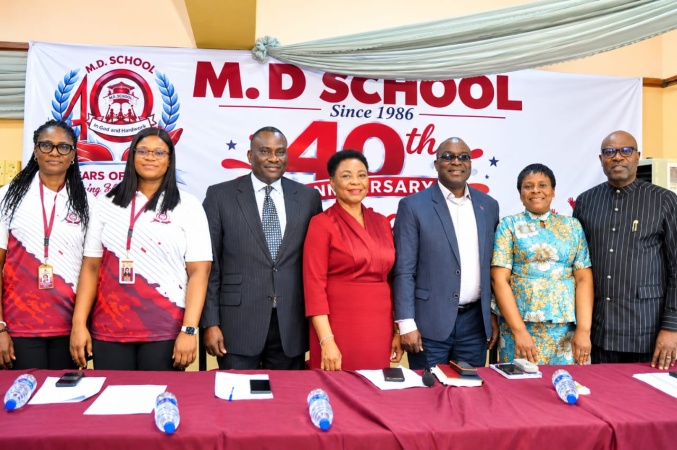
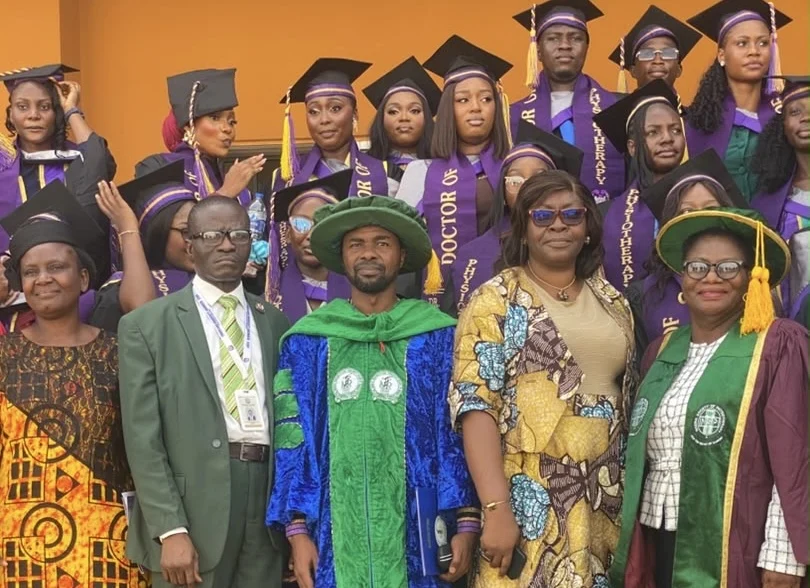
•Photo shows a cross section of workshop participants.
 AD
AD












.webp)

.webp)