 ADAD
ADAD
Updating your news feed...
NEWS EXPRESS is Nigeria’s leading online newspaper. Published by Africa’s international award-winning journalist, Mr. Isaac Umunna, NEWS EXPRESS is Nigeria’s first truly professional online daily newspaper. It is published from Lagos, Nigeria’s economic and media hub, and has a provision for occasional special print editions. Thanks to our vast network of sources and dedicated team of professional journalists and contributors spread across Nigeria and overseas, NEWS EXPRESS has become synonymous with newsbreaks and exclusive stories from around the world.





Loading banners
Loading banners...

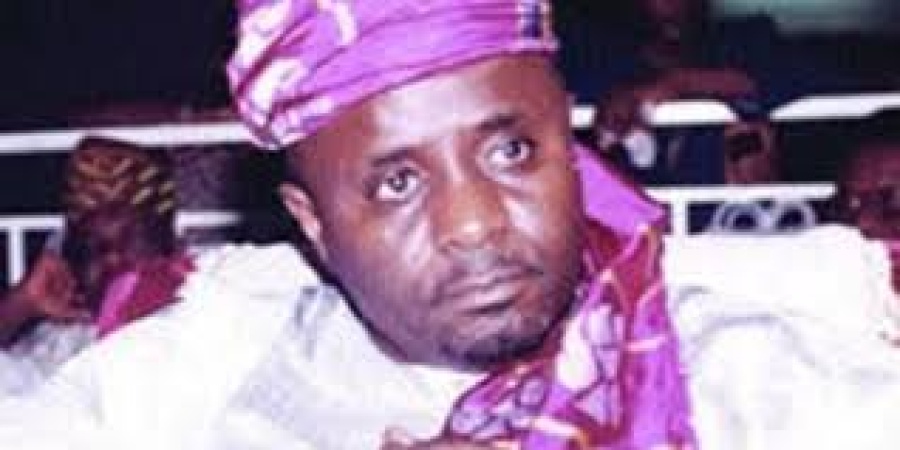
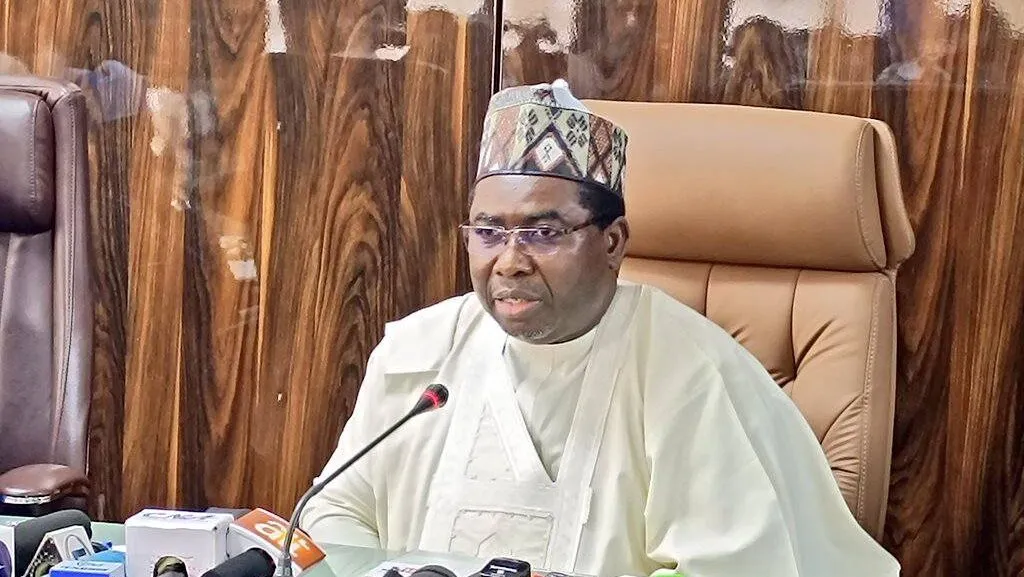
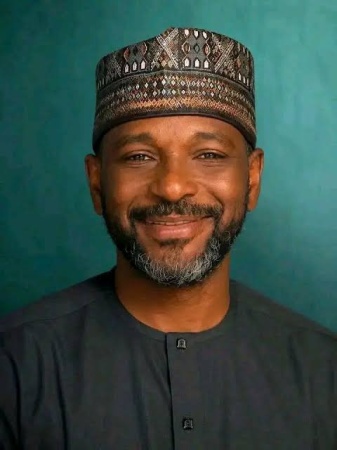
Emir of Gwandu, Alhaji Jokolo
Alhaji Mustapha Jokolo, a former Aide-de-Camp to ex-Head of State Muhammadu Buhari and the 19th Emir of Gwandu, has delivered a sweeping critique of Northern Nigeria’s political establishment, urging the region to stop blaming President Bola Ahmed Tinubu for the country’s present challenges and instead confront what he described as decades of internal leadership failure.
In an undated video obtained and translated from Hausa by PRNigeria, Jokolo offered a candid assessment of governance in the North, arguing that the region’s persistent underdevelopment cannot be separated from the conduct of its own elite, despite the North’s long dominance of Nigeria’s political and military leadership.
According to him, Northern Nigeria has produced multiple presidents, influential ministers in strategic sectors such as petroleum, and top military chiefs since independence, yet has little commensurate development to show. He attributed this to “nepotism, incompetence, and self-serving leadership” among segments of the region’s political class.
Jokolo was particularly blunt about the administration of his former principal, Muhammadu Buhari, describing the eight-year tenure as a missed opportunity for regional renewal. He alleged that Buhari allowed a small circle of influential figures to wield excessive power, specifically mentioning Mamman Daura, and suggested that the inner circle lacked the breadth of expertise required to manage a complex modern state.
“It is unfortunate that the opportunity of those eight years did not translate into meaningful gains for the North,” he said, lamenting that poverty, insecurity, and economic fragility deepened during the period.
Turning to the current administration, Jokolo defended President Tinubu, arguing that many of Nigeria’s structural problems predate his tenure. He recalled Tinubu’s period as Governor of Lagos State under President Olusegun Obasanjo, when federal allocations to Lagos were withheld, yet the state still pursued reforms and financial innovation.
“Why should Tinubu be blamed for everything today?” Jokolo asked. “We should look inward. Many of the challenges confronting the North are the bitter fruits of decisions taken by our own leaders over the years.”
Jokolo also expressed concern over what he described as the weakening of key Northern institutions. He said traditional and religious bodies that once provided moral and social direction, such as the Supreme Council for Islamic Affairs and Jama’atul Nasril Islam, have lost influence, while internal disputes among traditional rulers, including royal tussles in Kano, project an image of disunity.
On wealth distribution, he criticized Northern elites for failing to invest meaningfully in education and social welfare, contrasting this with philanthropic gestures by figures from other regions.
Invoking the legacy of the Sardauna of Sokoto, Sir Ahmadu Bello, Jokolo called for a return to values of merit, discipline, and inclusive governance. He decried what he sees as a pattern of appointing individuals to high office based on loyalty rather than competence, warning that such practices undermine institutions and stall development.
“Across the North today, there is little cohesion or shared direction,” he said. “If we want progress, we must first interrogate ourselves. Tinubu is not our fundamental problem — we are our own problem.”
Jokolo’s remarks have added a new dimension to ongoing debates about governance, accountability, and the future of Northern Nigeria within the national political landscape.
PRNigeria reports that Mustapha Jokolo is a retired senior Nigerian military officer who later became the 19th Emir of Gwandu in Kebbi State. Before ascending the throne in 1995, he served in the Nigerian Army and was appointed ADC to Major General Muhammadu Buhari during Buhari’s tenure as Head of State between 1984 and 1985. He was deposed as Emir in 2005, a move that triggered one of the longest legal battles involving a traditional institution in Nigeria, with cases reaching the Supreme Court. (By PRNigeria)



