ADAD
ADADUpdating your news feed...

NEWS EXPRESS is Nigeria’s leading online newspaper. Published by Africa’s international award-winning journalist, Mr. Isaac Umunna, NEWS EXPRESS is Nigeria’s first truly professional online daily newspaper. It is published from Lagos, Nigeria’s economic and media hub, and has a provision for occasional special print editions. Thanks to our vast network of sources and dedicated team of professional journalists and contributors spread across Nigeria and overseas, NEWS EXPRESS has become synonymous with newsbreaks and exclusive stories from around the world.




















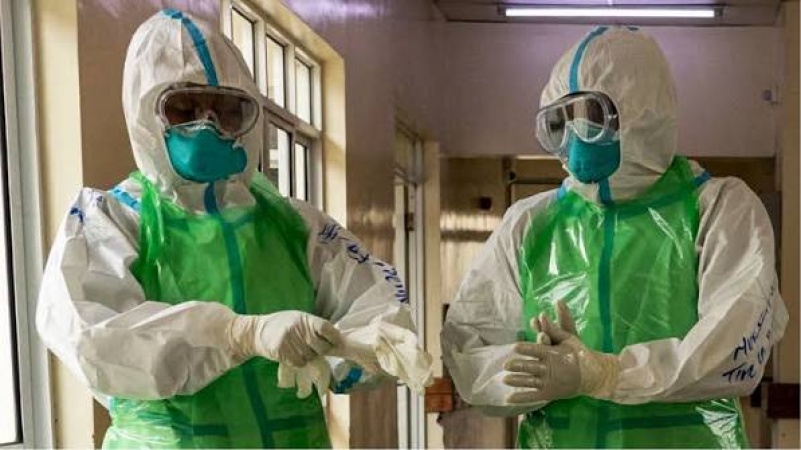





A worker sprays insecticide for mosquitoes at a village in Bangkok
South African scientists have discovered chemical compounds that could potentially be used for a new line of drugs to treat malaria and even kill the parasite in its infectious stage, which most available drugs do not.
The research led by the University of Pretoria, published in the Nature Communications journal this week, found that chemical compounds undergoing trials for the treatment of tuberculosis and cancer -- the JmjC inhibitor ML324 and the antitubercular clinical candidate SQ109 -- can kill the disease-causing parasite at a stage when it normally infects others.
The World Health Organisation said in November that deaths from malaria due to disruption during the coronavirus pandemic to services designed to tackle the mosquito-borne disease will far exceed those killed by COVID-19 in sub-Saharan Africa.
Malaria killed more than 400,000 people across the world in 2019, according to the latest WHO figures, all but a few thousand of them in Africa. There were 229 million cases across the world, 215 million of them on the continent.
“Our innovation was around finding compounds that are able to block the transmissible stages and we if we are able to do so then we stop the spread of malaria,” Research Chair in Sustainable Malaria Control and biochemistry professor Lyn-Marie Birkholtz, who was part of the team, told Reuters on Friday.
Most drugs kill malaria as it gets established in the liver or after it has infected red blood cells, but cannot tackle it once the parasite is released from the cells, which is when it is transmissible to other people via mosquito bites, she said.
The one drug that can have an effect during the transmissible phase, primaquine, is not widely used, owing to concerns about side effects.
“If we can develop these compounds ... then we have an additional new tool that we can use to eliminate malaria,” said Birkholtz.
More tests would still need to be carried out before the compounds could be approved as a treatment for malaria but the breakthrough would also address concerns over drug resistance, she said. (Reuters)